

Start With The Right Sign For The Job
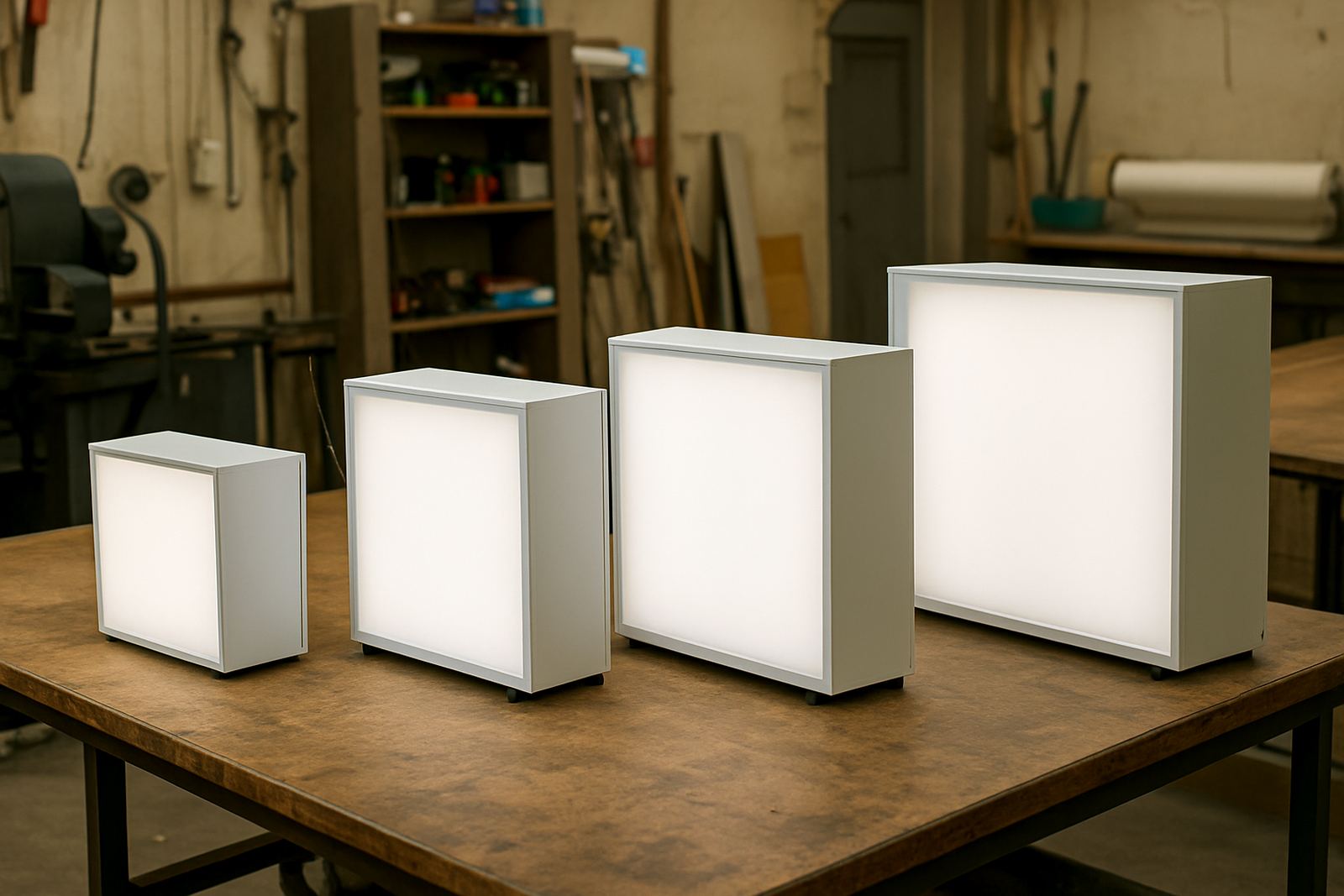
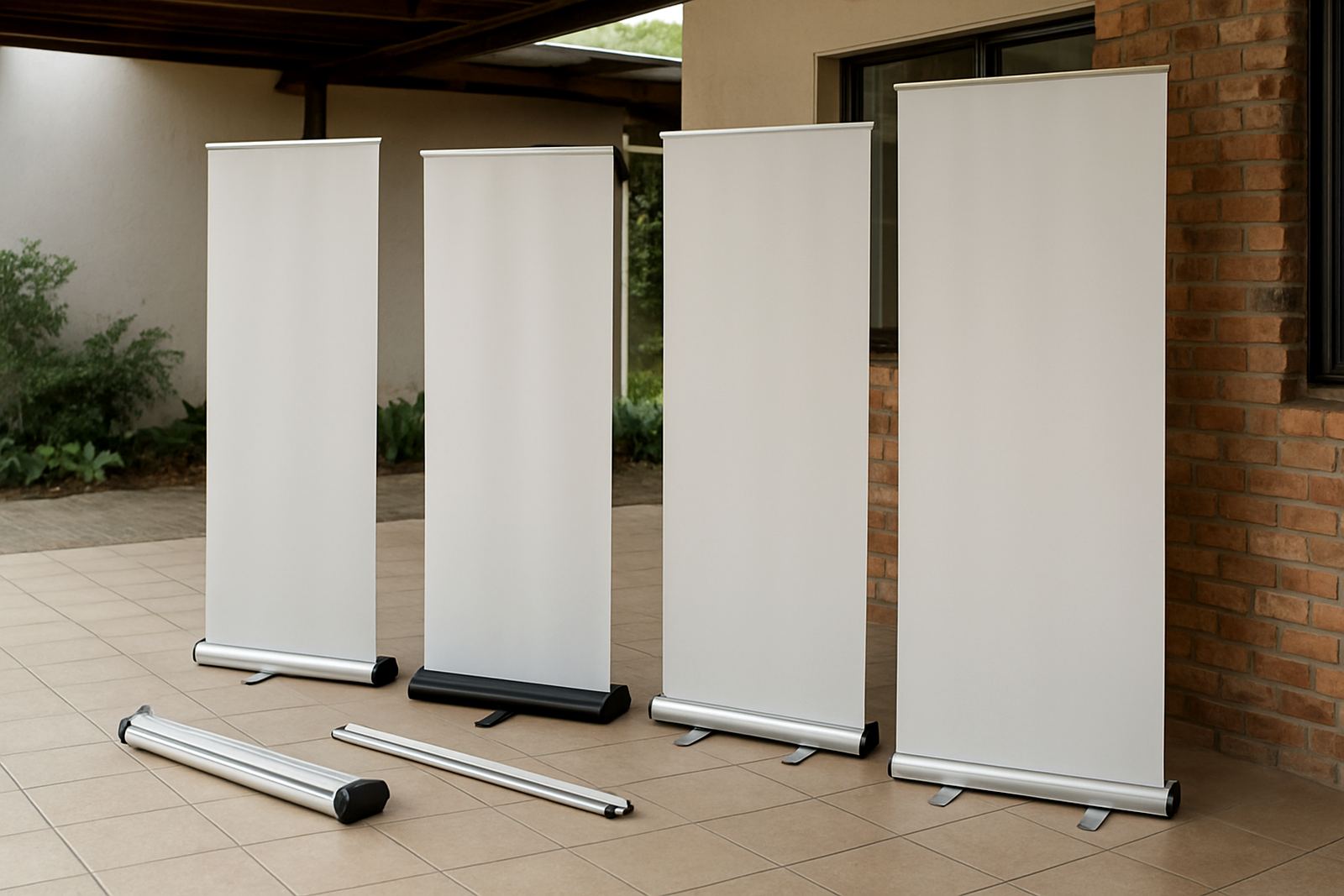
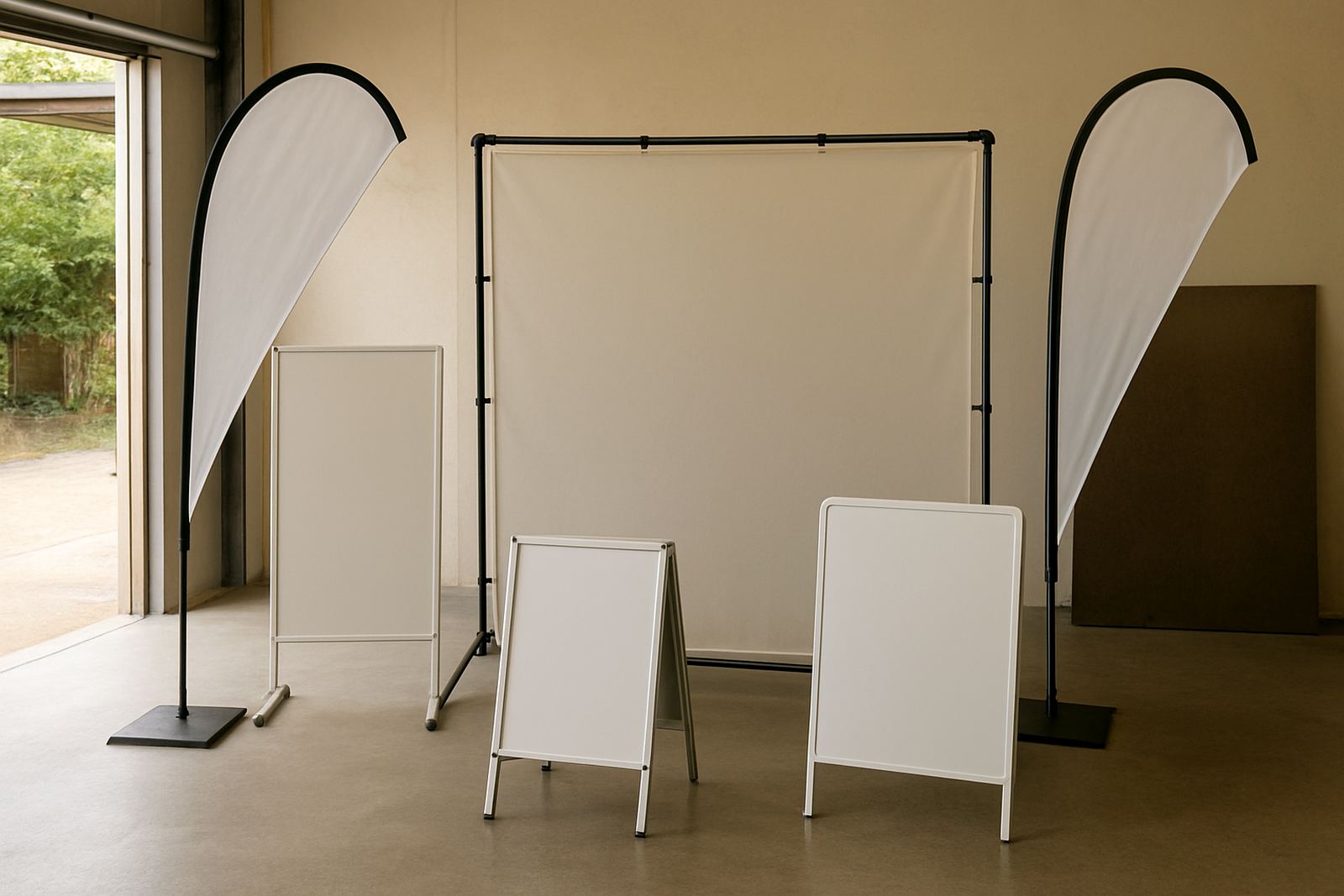
Different sites call for different sign types. A shaded office block in Umhlanga may need a clean light box or frosting on glass, while a busy street-facing shop in Durban North may need bold vinyl graphics, a durable Chromadek panel or a shopfront sign that reads clearly from passing traffic. The best choice depends on viewing distance, sun exposure, wind, wall type and whether the sign must be temporary or permanent.
For coastal areas, material choice matters even more. Salt air, strong UV and summer rain can shorten the life of poor-quality work. If a sign faces the afternoon sun or sits near the sea, it needs the right print method, fixings and finish from the start. That saves repeat call-outs and keeps the face of the business looking tidy.
Compare Materials Before You Place An Order
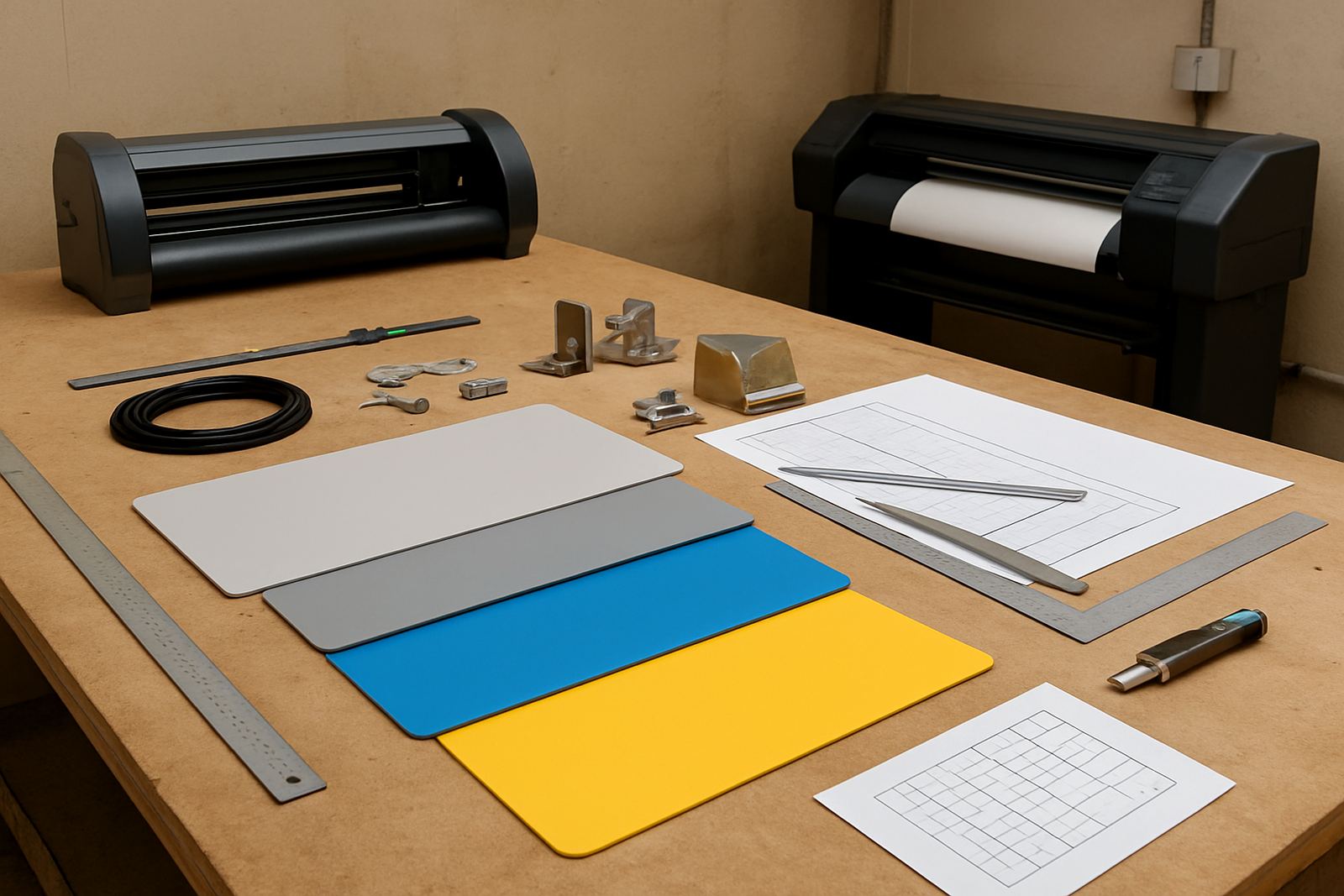
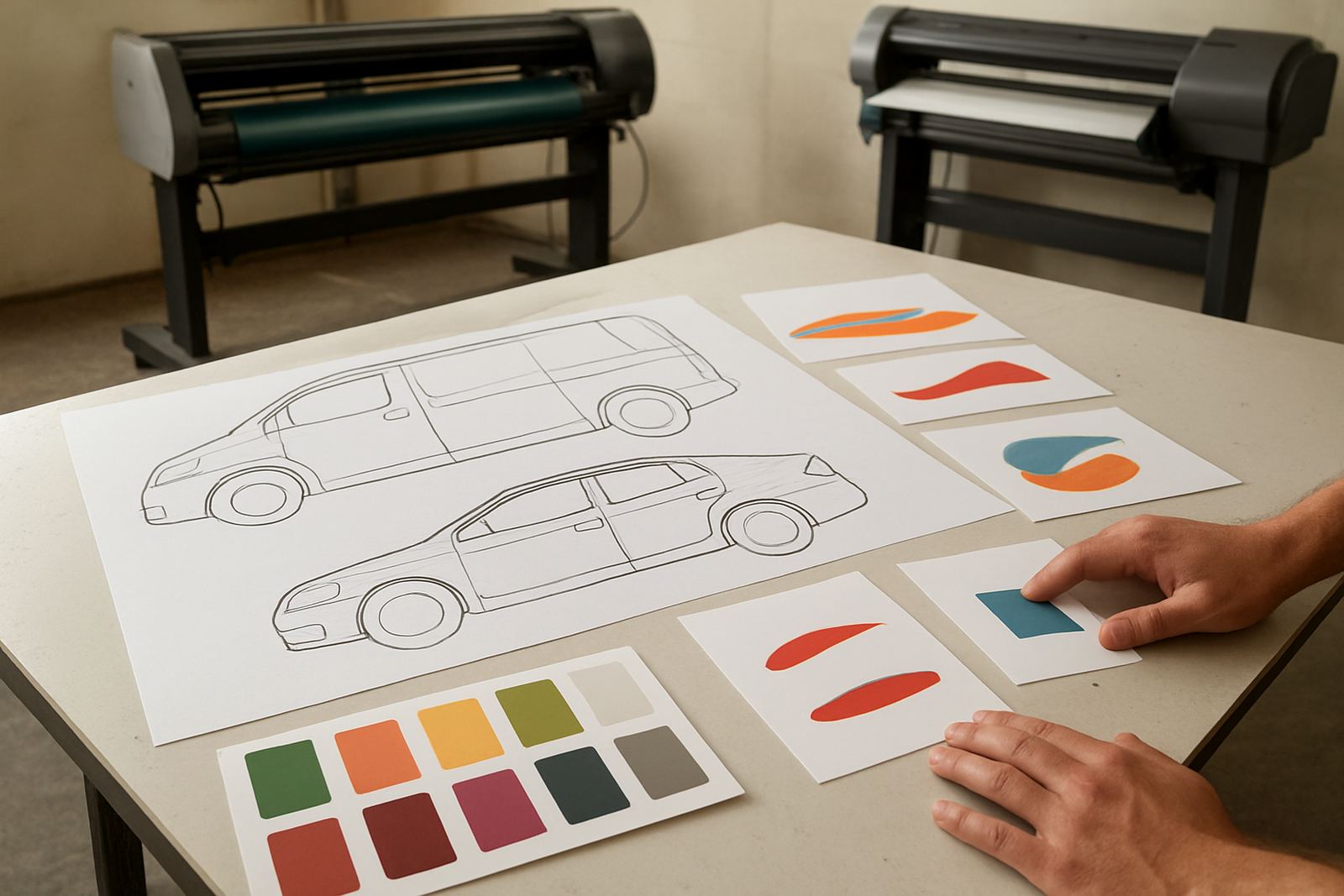
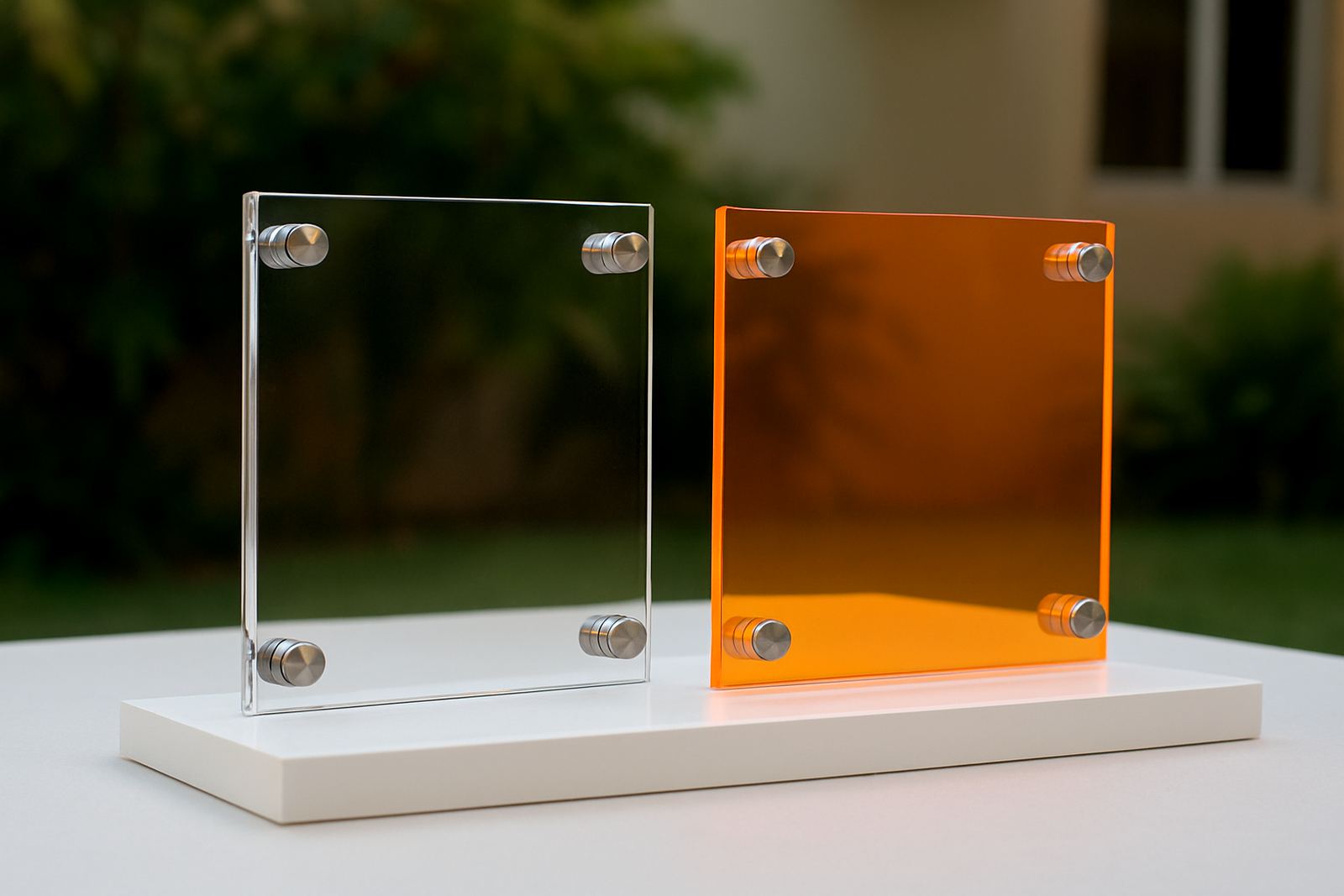
Buyers often know the message they want, but not the material that suits the site. A quick comparison helps avoid rework and extra cost later. Vinyl is useful for flat surfaces, glass and vehicles. Digital print is better when you need colour, photo detail or several panels with the same layout. Perspex gives a cleaner presentation for indoor or semi-outdoor use, while ABS is often chosen for shaped or lighter sign bodies.
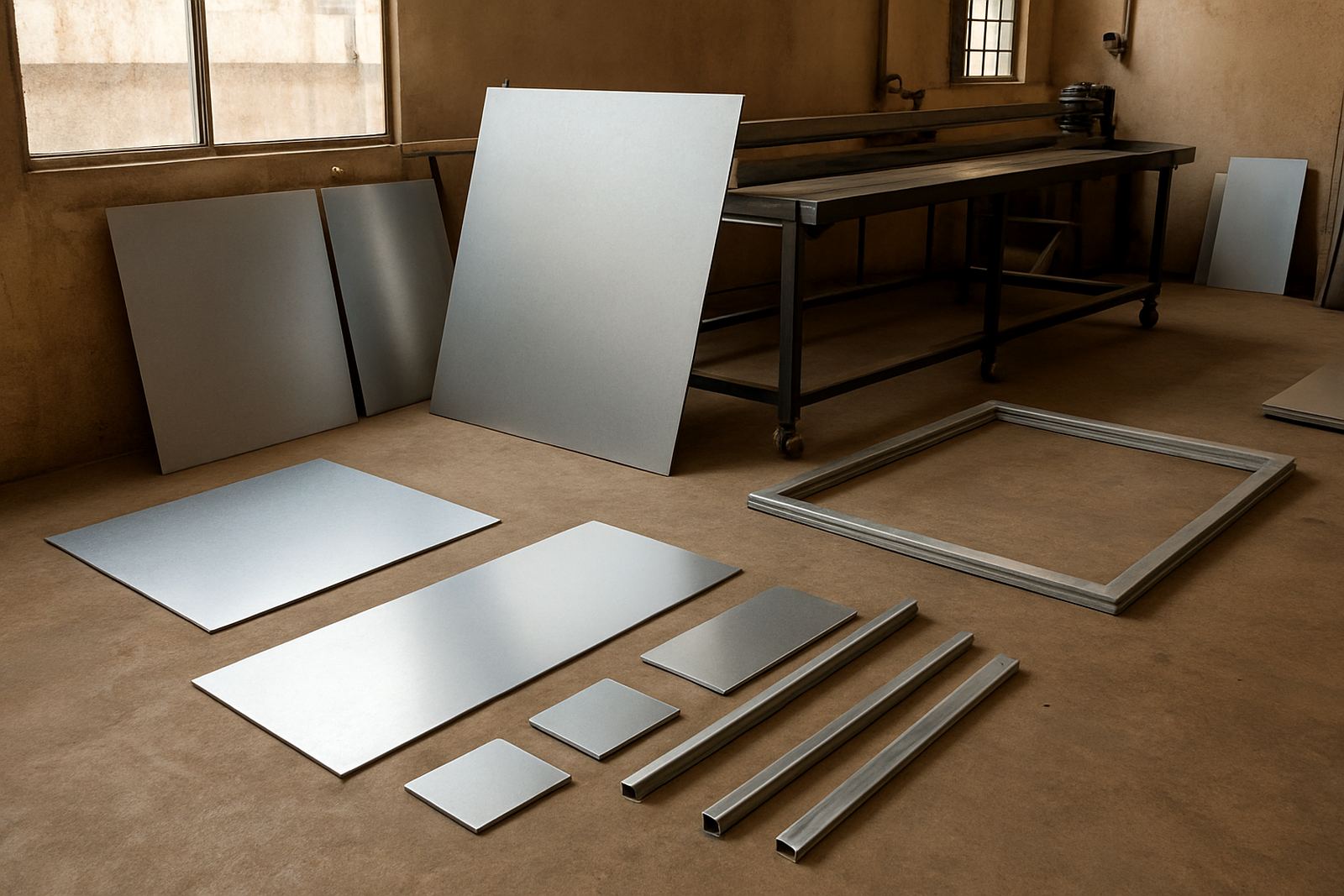
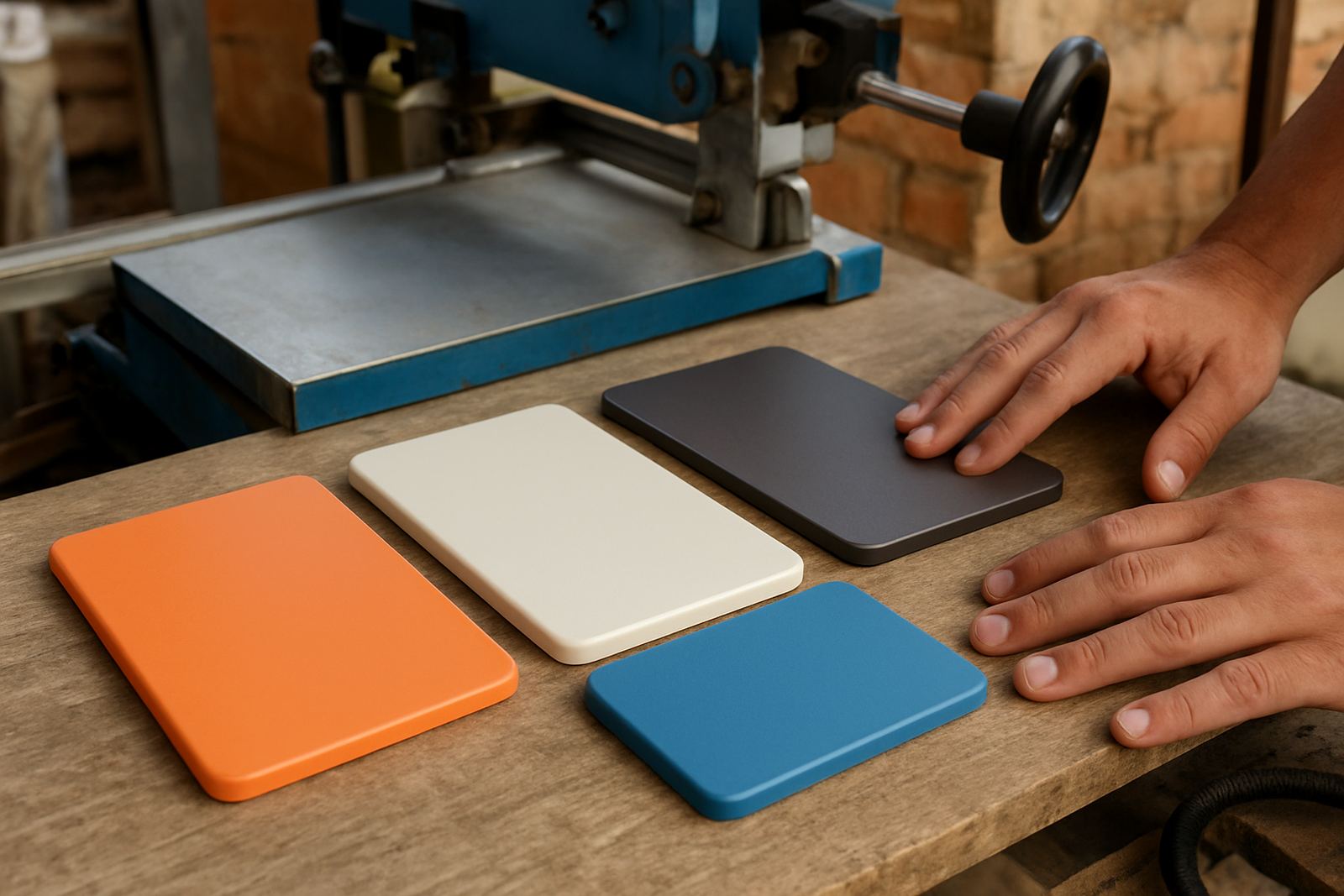
- Chromadek for long-life outdoor boards and wall signs
- Perspex for reception areas, office fronts and premium finishes
- ABS for lighter fabricated signs and formed letters
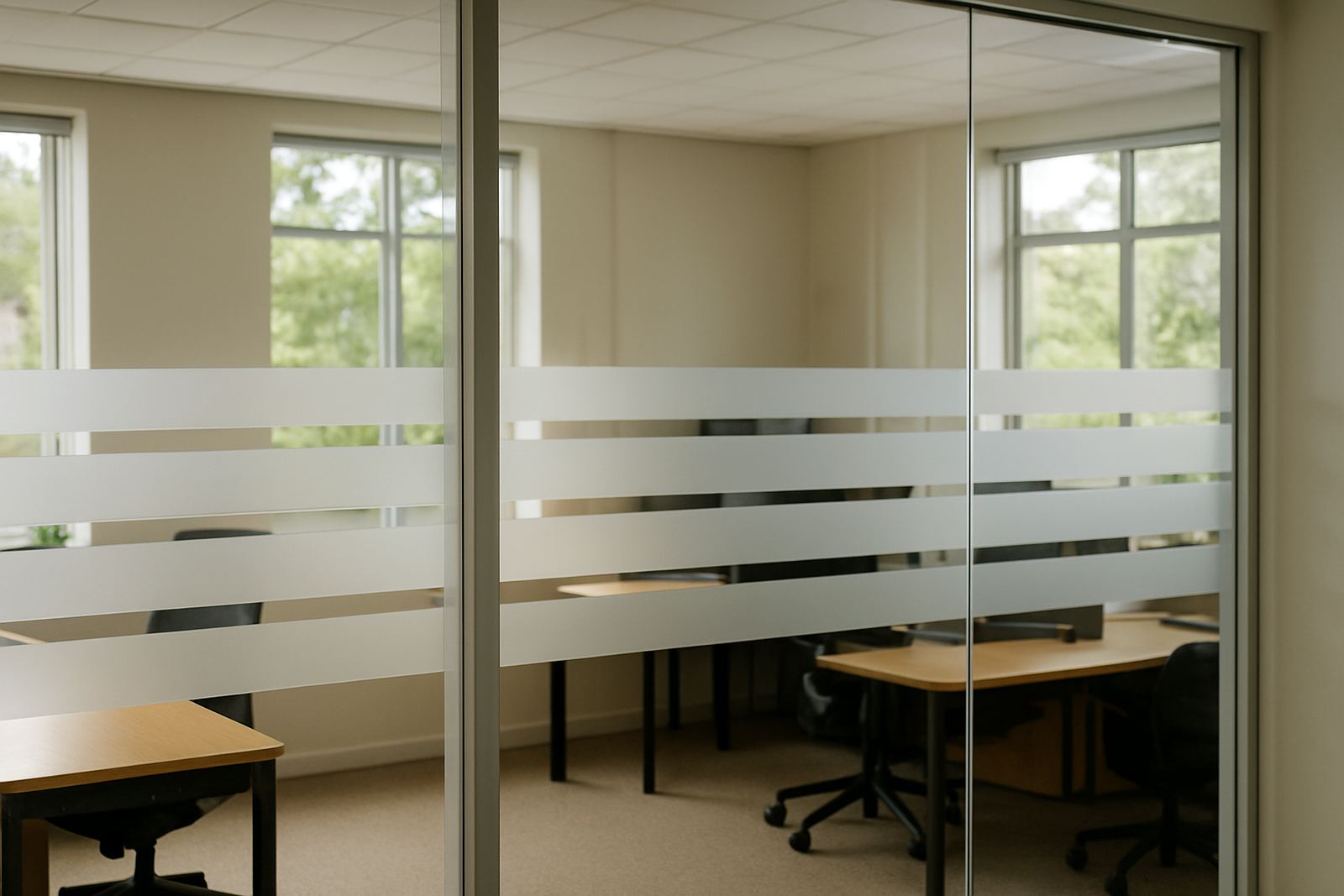
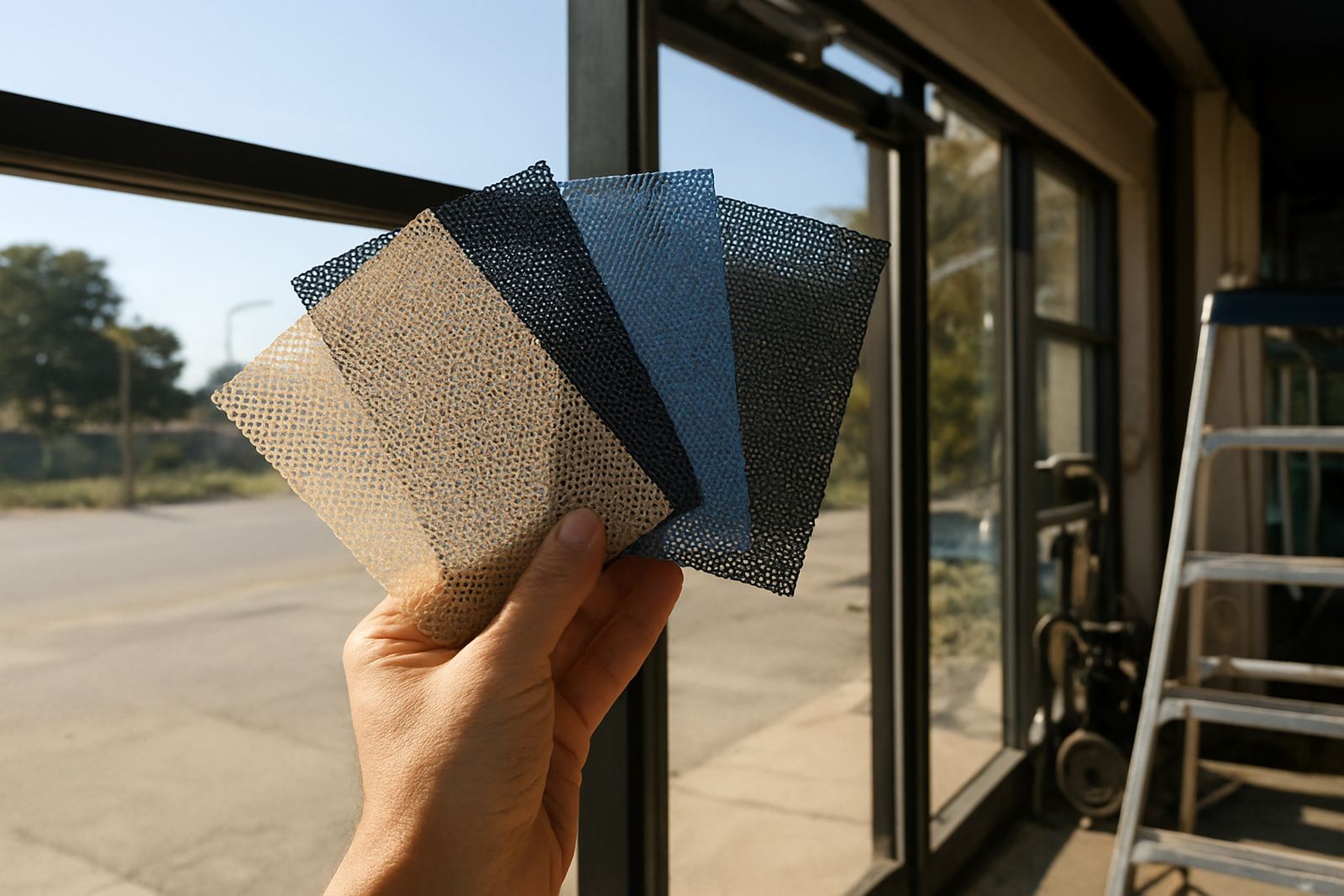
- Vinyl frosting for privacy on glass without blocking light
- Contra-vision for window branding where visibility from inside is needed
Plan For Installation Access And Site Conditions
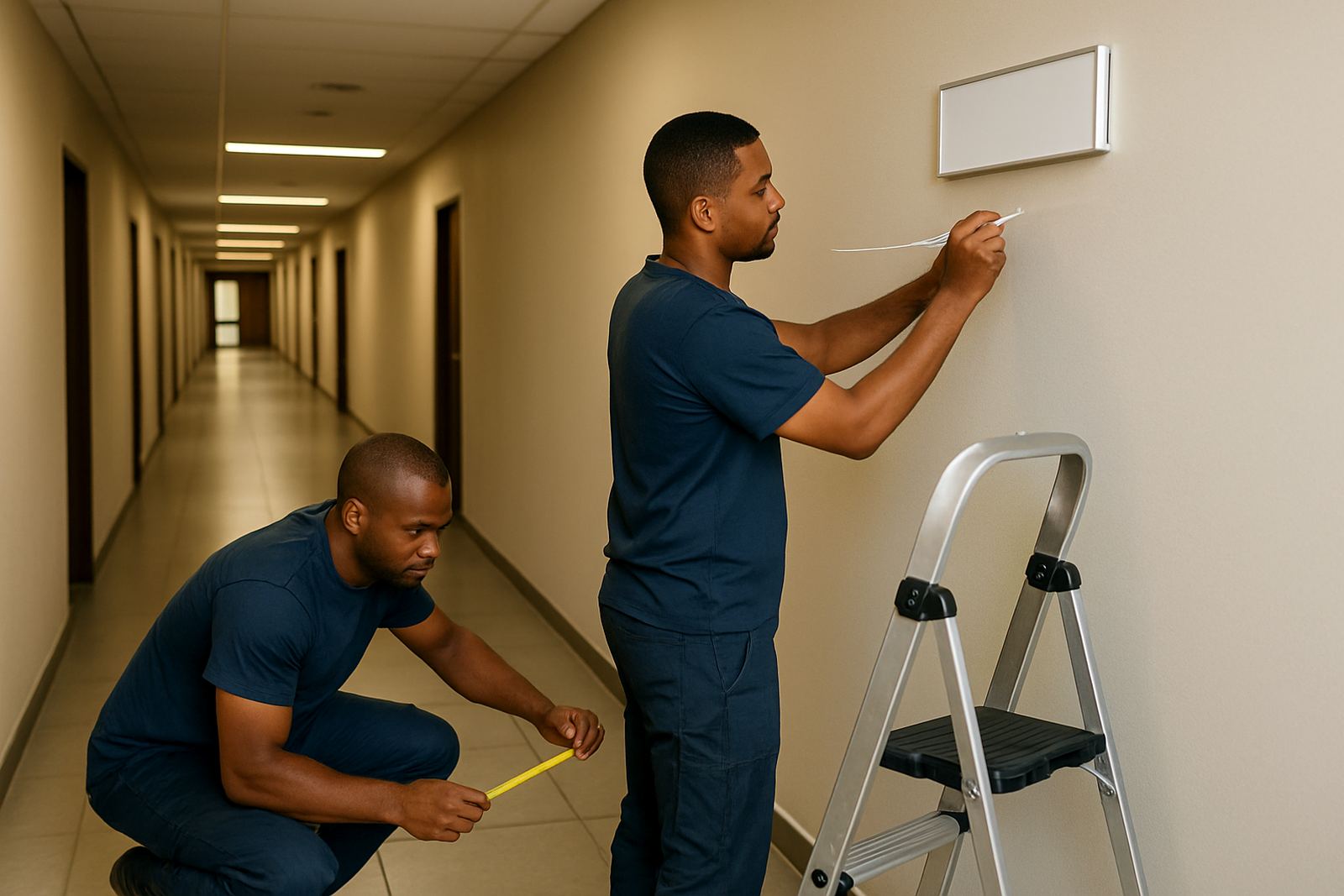
Good signage work starts before the first drill goes into the wall. We look at access, fixing points, height, power supply for illuminated signs and any restrictions set by building management or the municipality. A mall frontage, factory wall or townhouse complex all bring different rules. If access is tight, it may need after-hours installation or a lift booking so the job can be done safely and without disruption.
Load-shedding also changes how some signs are planned. If a light box or illuminated feature is part of the brief, the client needs to know what power is available and whether backup supply is in place. That avoids a nice sign sitting dark at peak trading time. It is worth checking these details early, not after the panels have been made.
- Measure the exact wall or glass area, including trims and frames
- Confirm whether drilling, adhesives or stand-off fittings are allowed
- Check power points for illuminated signs before fabrication starts
- Allow for vehicles, pedestrians and trading hours on install day
Avoid The Most Common Artwork And Ordering Mistakes
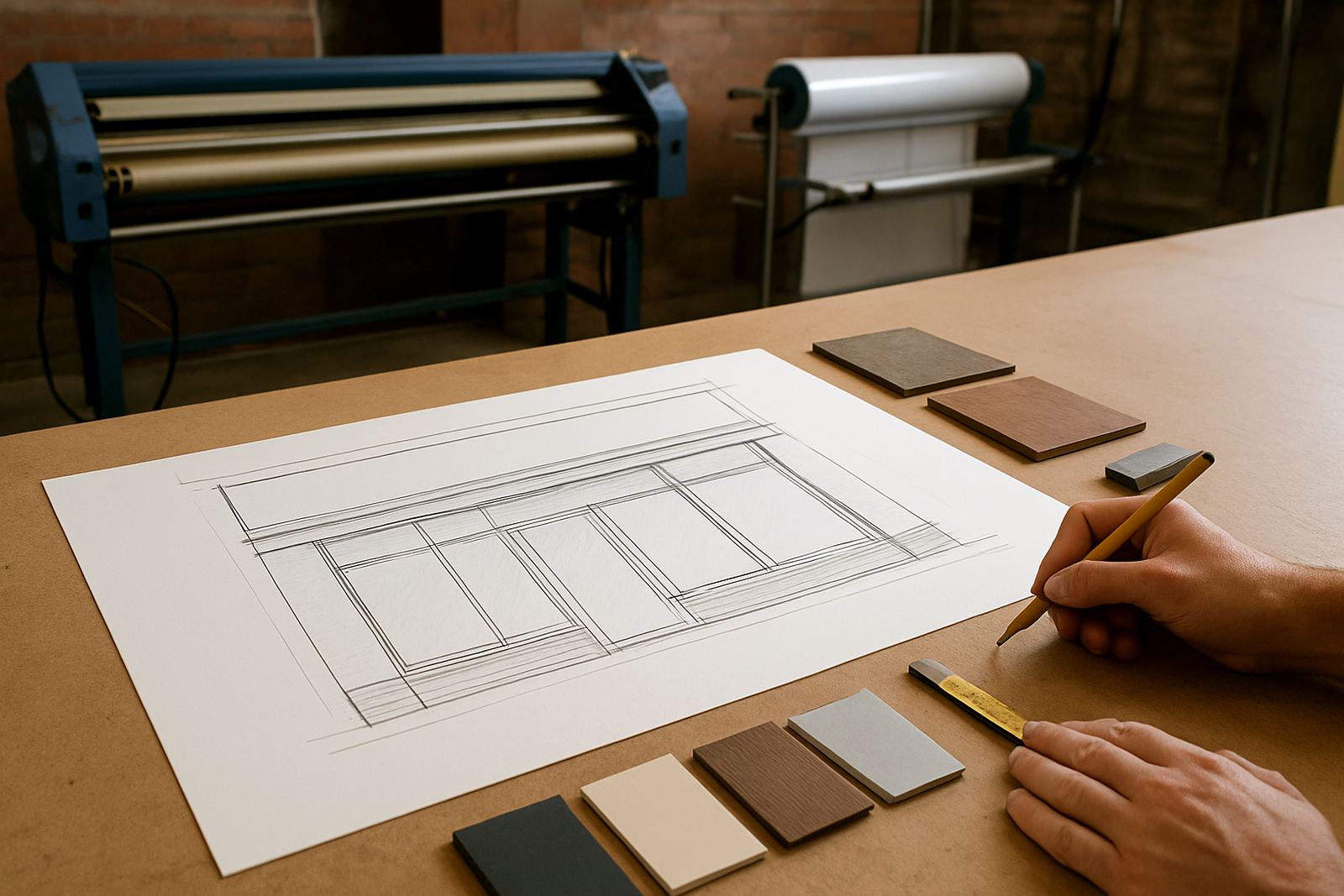
Many delays happen because the artwork is not set up correctly or the brief changes after production begins. A logo supplied in the wrong format can affect print quality. Missing measurements can leave a sign too small for the space or too large for the legal boundary. Wrong spelling, old contact details and mismatched colours are also common problems. It helps to approve the final layout against the actual site photo and size before anything goes into print.
For multi-site branding, consistency matters. A branch in Pinetown should match one in Ballito if the rollout is meant to feel like one business. That means the same colour references, type size, material finish and mounting method where possible. Small changes between branches can make a group of sites look untidy and harder to maintain.
Choose The Right Finish For Shopfronts, Vehicles And Windows
Shopfront signs must do more than carry a name. They need to work with the building and stay legible in bright daylight, rain and early evening traffic. For vehicles, the finish needs to handle regular washing, road grime and long daily routes. On glass, frosting can add privacy for consulting rooms or offices, while contra-vision lets staff see out without making the outside message disappear. The right finish depends on how the space is used and how much visibility you want.
For retail and service businesses in Durban North, Umhlanga, Westville or Phoenix, the best-looking result is often the one that balances brand visibility with practical upkeep. A sign that is easy to clean and simple to replace parts on will usually cost less over time.
How To Use These Guides Before You Request A Quote
These guides are meant to help you make better decisions before the enquiry form is sent through. If you already know the site size, the surface type and the installation area, the quote process is quicker and more accurate. If not, start with the guide that matches your project, then work through the material and installation notes before you brief the job. It saves time and reduces back-and-forth.
- Use the guides to compare sign types before asking for pricing
- Gather site photos, rough sizes and any building rules
- Decide if you need fabrication, installation or both
- Plan for maintenance visits or future sign removals where needed
From Briardene to the North Coast, the same principle applies: a clear brief gives a cleaner result and fewer surprises on site.