When Chromadek makes the most sense
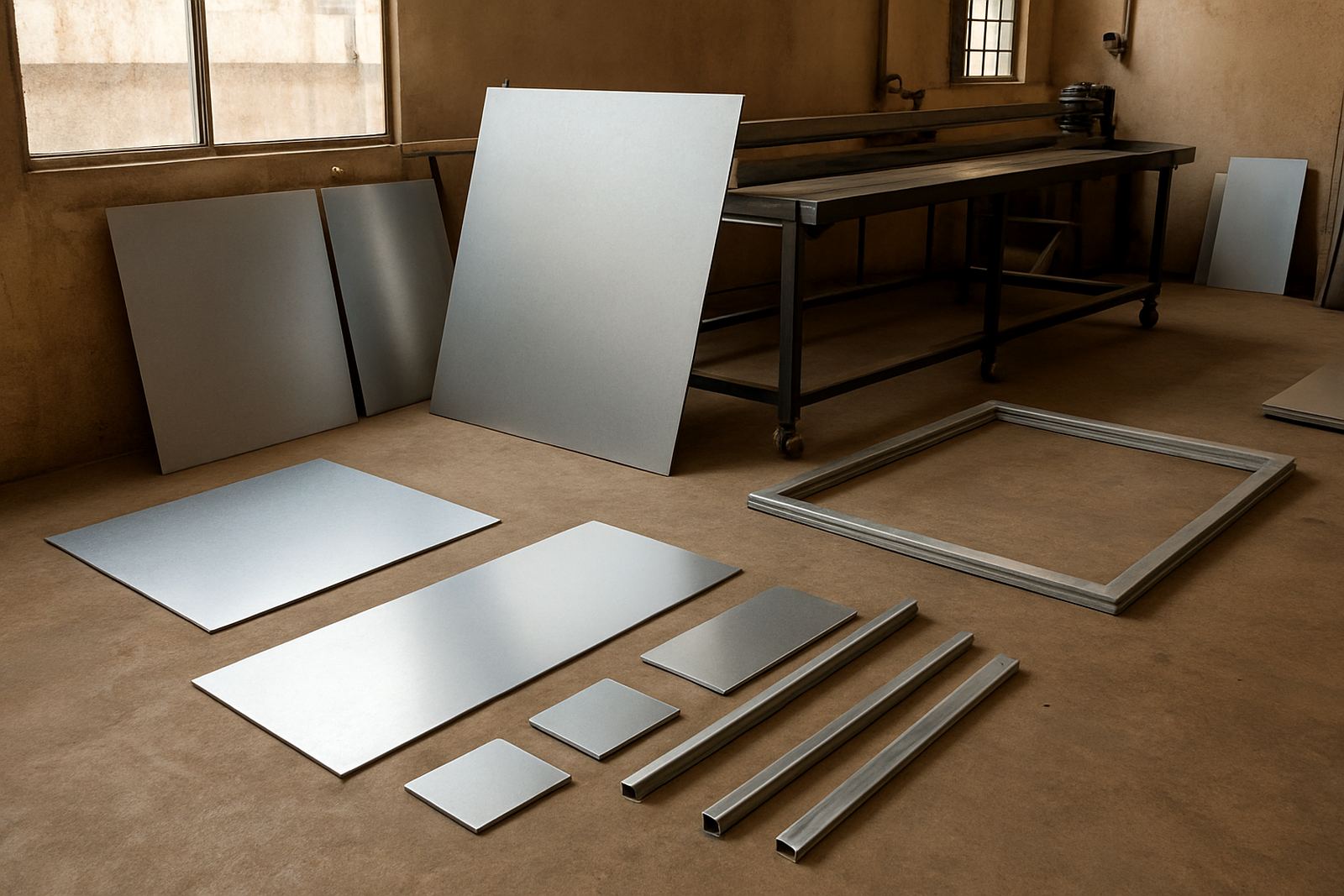
Chromadek is a coated steel sheet used for exterior signage, especially where you want a flat, paintable board that stays neat for months or years. In Briardene, Durban North and across eThekwini, it is often chosen for shopfront boards, wall signs, estate notices, construction boards and roadside direction signs because it gives a clean finish and handles outdoor use well.
It is a strong option when the sign must stand up to sun, wind and coastal moisture, but still needs a sharp printed or applied graphic. If your board is going on a fence, wall, pole frame or parapet, Chromadek can be a practical choice. It is also useful when a sign must be easy to replace later, since the panel can be removed and re-used in some cases.
For areas like Umhlanga, Ballito and Tongaat, where salt air and humidity can be a factor, the board must be specified correctly and installed with proper fixings. The board is only part of the job, the frame, edge treatment and installation matter just as much.
Picking the right thickness, finish and size
The right specification depends on where the board will sit and how big it is. A smaller wall board may only need a lighter sheet, while a larger freestanding sign needs more support and stronger framing. If the panel is too thin, it can flex in wind and look uneven. If it is too heavy for the structure, the whole installation becomes harder to manage.
- Confirm the board size in millimetres before fabrication
- Check whether the sign will be fixed flat, on a frame or with stand-off fittings
- Ask for the correct coating and finish for outdoor exposure
- Choose edge protection where water may sit on the sheet
- Plan for visibility from the road, not only from close up
Size also affects artwork. A message that looks fine on a small proof can disappear on a larger board if the font is too thin or the contrast is poor. For businesses in Westville, Phoenix and Verulam, where signs often need to be read from moving traffic, clear layout matters more than decorative detail. Keep the message short and use strong contrast.
How a Chromadek sign is usually made
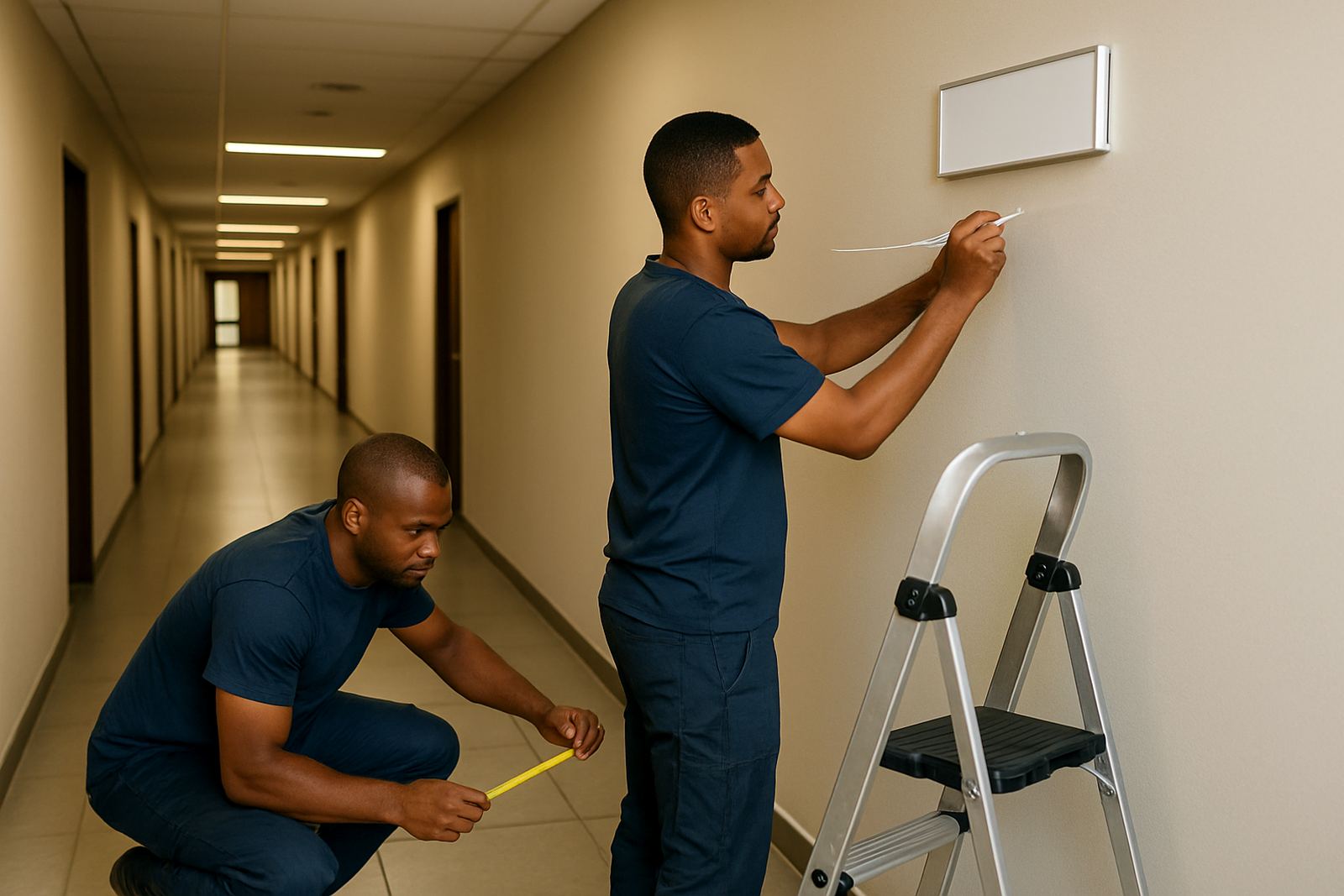
The process starts with a site survey and a check of the mounting surface. Our team looks at wall condition, access, wind exposure and any local rules that may affect the installation. If the sign is going onto a shopfront in Pinetown or a business park in Durban North, we also consider clearance, visibility and how the board sits with nearby glazing, gates or awnings.
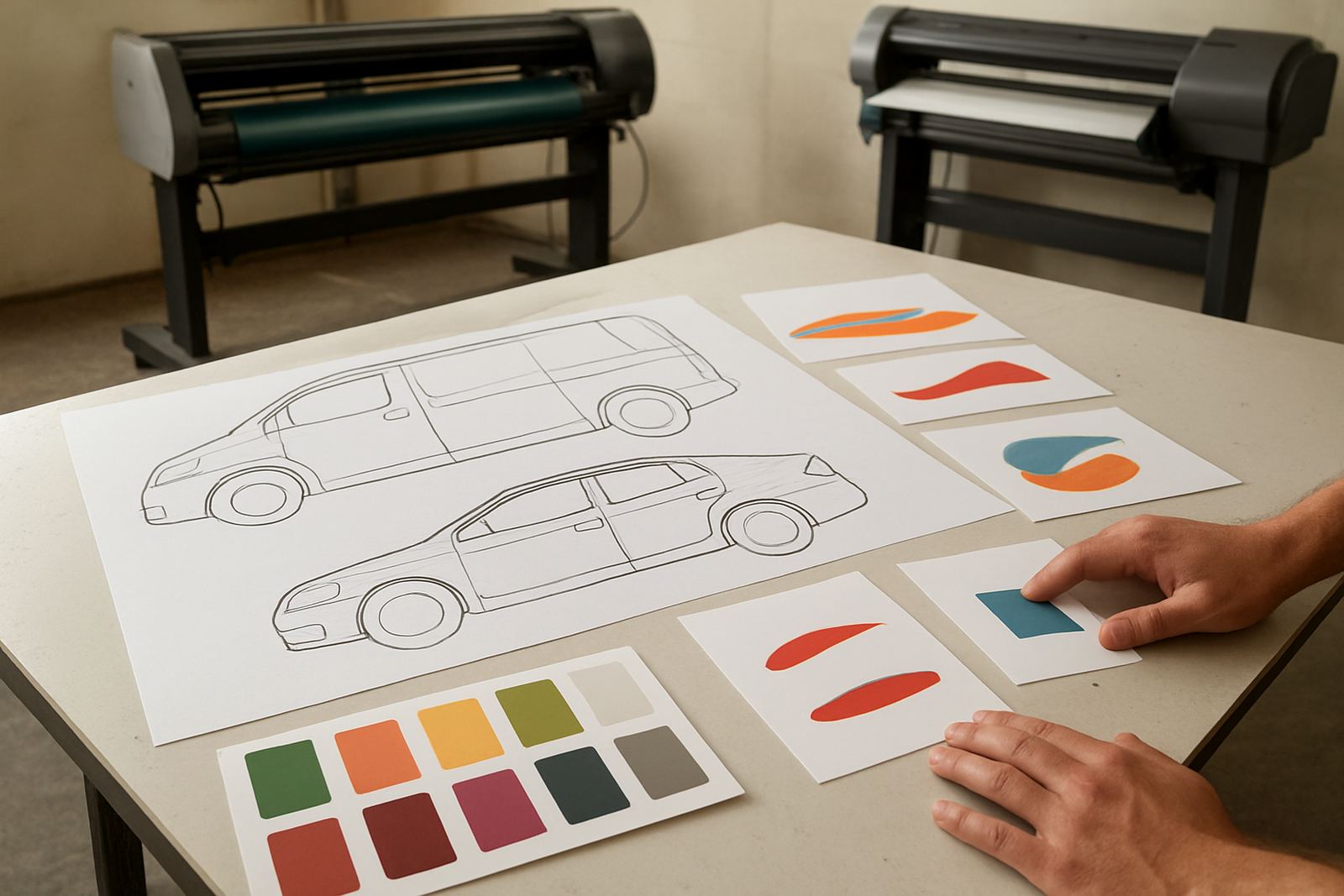
Once the size is confirmed, the artwork is set up for the correct finished dimensions. The panel is then fabricated, printed or prepared for vinyl application, and any required lamination is added to help protect the surface from UV and cleaning. For some signs, the board is drilled and fitted to a frame, while others are mounted directly onto a wall or fascia.
After fabrication, the installation team checks alignment, fixings and spacing. A sign that is level but poorly sealed can fail early, so the final step is not just about appearance. It is about making sure the board stays secure through wind, rain and the stop-start power conditions many sites deal with during load-shedding.
Where Chromadek works well in Durban and KZN
Chromadek is commonly used for commercial signs, industrial premises, schools, churches, estate entrances and construction sites. It is also a practical choice for temporary or semi-permanent boards that must remain presentable for a long period. In coastal areas such as Umhlanga and the KZN North Coast, the sign should be specified and installed with corrosion in mind.
Typical uses include brand boards, safety notices, directional boards, information panels and frontage signs for retail units. For sites in Briardene, Pinetown and the surrounding industrial areas, Chromadek is often preferred because it gives a tidy finish and can be produced in different sizes without a complicated build. It is suitable where the sign needs to be read quickly and kept clean with basic maintenance.
- Shopfront name boards
- Estate and access control signs
- Construction and project boards
- Parking and direction signs
- Safety and compliance notices
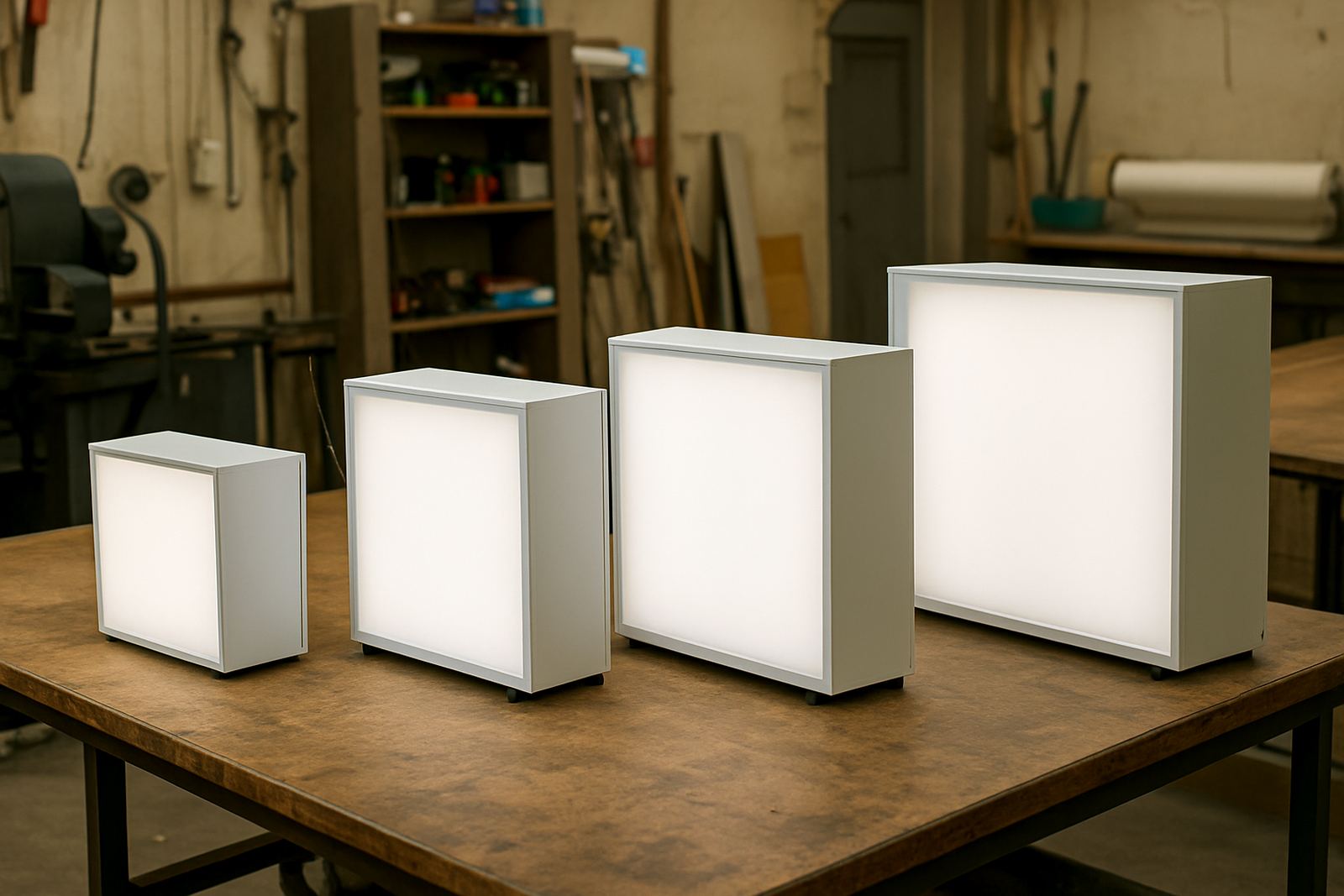
If you need a sign that stands out at night, Chromadek can also work with illumination, though the framing and lighting plan must be done carefully. Light boxes may suit some sites better, but a solid board is often enough where the message is simple and direct.
Checklist before you order a Chromadek board
A good sign order starts with clear decisions. Before production, confirm the wording, size, mounting method and whether the board needs any special treatment for weather, visibility or cleaning. Small changes after fabrication can add cost and slow the job down, especially when the sign needs to be installed on a busy site.
- Final wording approved by the client
- Exact measurements from the site survey
- Mounting surface checked and accessible
- Artwork supplied or set up for print
- Fixing method agreed for wall, frame or fence
- Any night visibility needs noted
- Maintenance access planned
It also helps to think about future upkeep. If the board will be cleaned often, make sure the finish and installation allow for that. If the sign may need updating later, design it in a way that lets the message be changed without replacing the whole panel. That can save money over time, and it keeps the site looking current.
Refurbishment, removals and maintenance after installation
Even a well-made Chromadek sign needs attention over time. Coastal air, dust, sun and physical knocks can all affect the finish. If the panel starts to fade, scratch or lift at the edges, a refurbishment visit may be enough to restore it instead of replacing the entire board. In some cases, the existing sheet can be cleaned, re-lettered or re-mounted with new fixings.
When a sign is no longer needed, safe removal matters. Old fixings can damage walls, and a large sheet can be awkward to take down without the right access equipment. Our installations team handles removals, maintenance visits and reinstallation work across Durban North, Umhlanga, Pinetown, Westville and the wider eThekwini area.
If you are deciding between Chromadek and another sign type, think about the site, the viewing distance and how long the message must stay up. For many exterior boards, Chromadek is a practical middle ground: neat, durable and suitable for local conditions when made and fitted correctly.