1. Before installation: site survey and planning
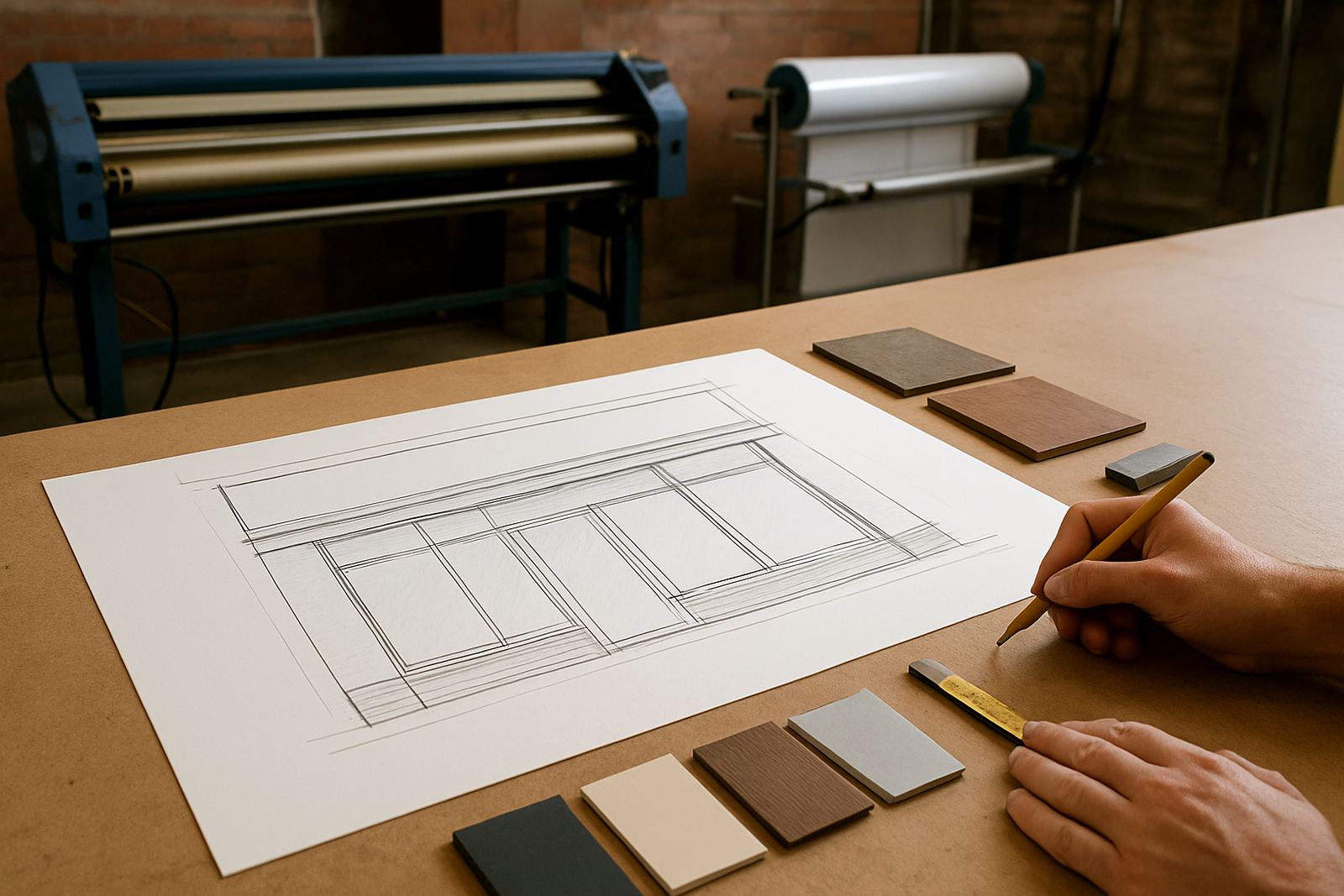
Every installation starts with a site survey. We check the wall type, glazing, fascia size, fixing points, access routes and any nearby services that could affect the job. In Durban North, Umhlanga, Pinetown and along the KZN North Coast, we also look at wind exposure, sea air corrosion and whether the site has enough clear access for a truck, cherry picker or ladder work.
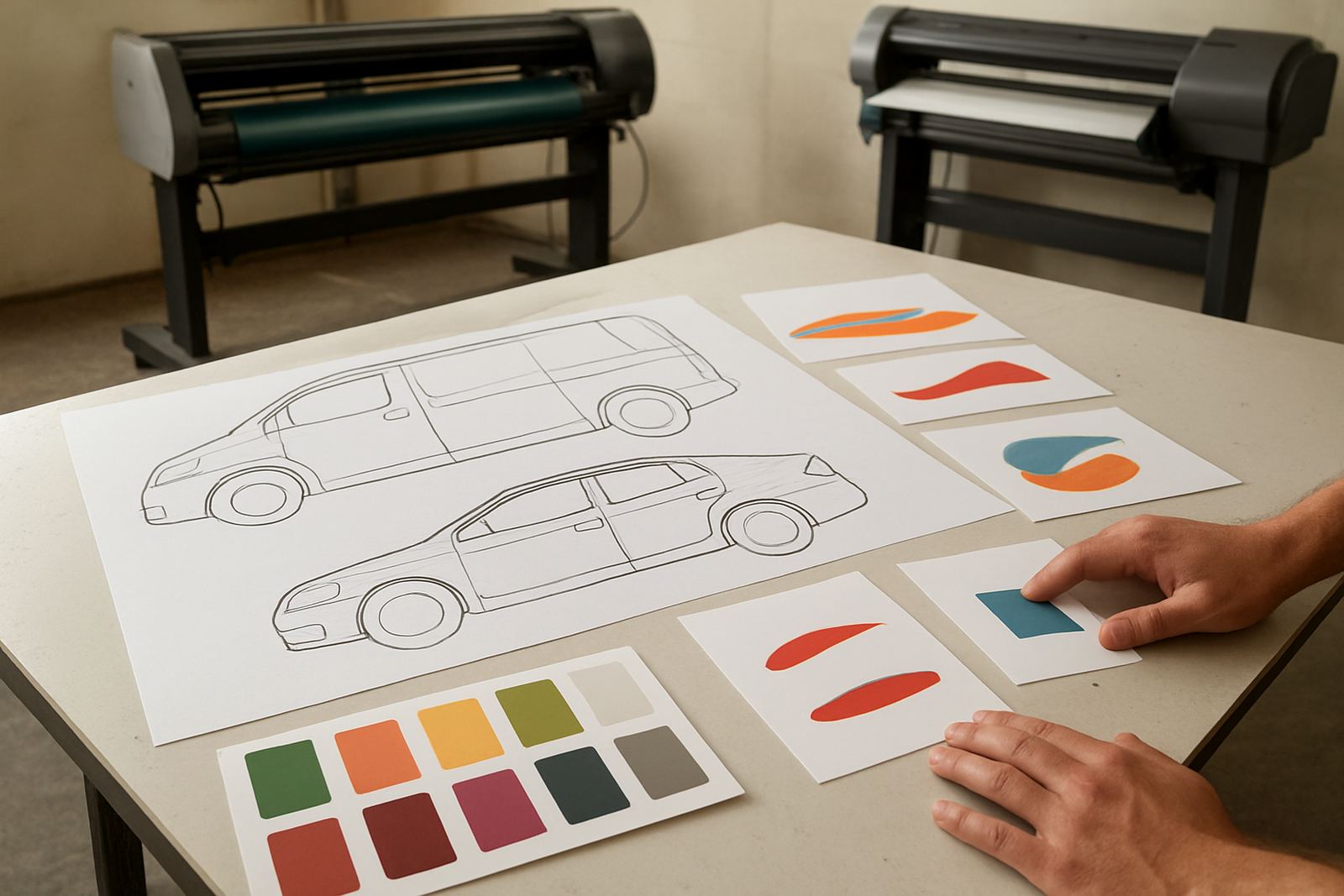
Before installation day, we confirm the sign type, dimensions, artwork, fixing method and any approvals needed from the property owner, centre management or municipality. If the job is for a shopfront, window frosting, vehicle branding or a large exterior board, measurements must be spot on. A small error at this stage can cause delays, extra holes or a poor finish later.
- Clear access to the install area
- Final artwork approved in writing
- Correct sign size and fixing details confirmed
- Power availability checked for illuminated signs
- Any building or centre rules shared with the installer
If there are changes to the site after the survey, tell us early. A moved aircon unit, new fascia cladding or fresh paint can all affect the install. We would rather adjust the plan than arrive on site and find a problem that could have been sorted the day before.
2. Getting the site ready for the fitment team
Most delays happen because the site is not ready. On the day before installation, make sure the work area is clear, the wall or glass surface is clean enough for the job, and any stock, shelves or vehicles are moved out of the way. If the install is inside a shopping centre or office park, confirm access times and loading bay rules in advance.
For window graphics and contra-vision, the glass should be clean and dry. For wall-mounted signs, the surface should be sound, with no loose plaster, flaking paint or damp patches. Coastal humidity can make adhesives and sealants behave differently, so we need the right conditions and a proper surface to work on. If there has been recent rain, the wall may need more drying time, especially on exterior brick or rendered surfaces.
- Remove furniture, displays and parked vehicles near the work area
- Let staff know which entrance or section will be closed off
- Keep children and customers away from active install zones
- Arrange after-hours access if the site is busy during trading hours
- Switch off alarms or sensors that may be triggered by the works
On larger jobs, we may ask for a contact person on site for the whole install. That helps with quick decisions if a fixing point moves, a panel needs to be adjusted, or a sign needs to be shifted a few millimetres for a better finish.
3. What happens on installation day
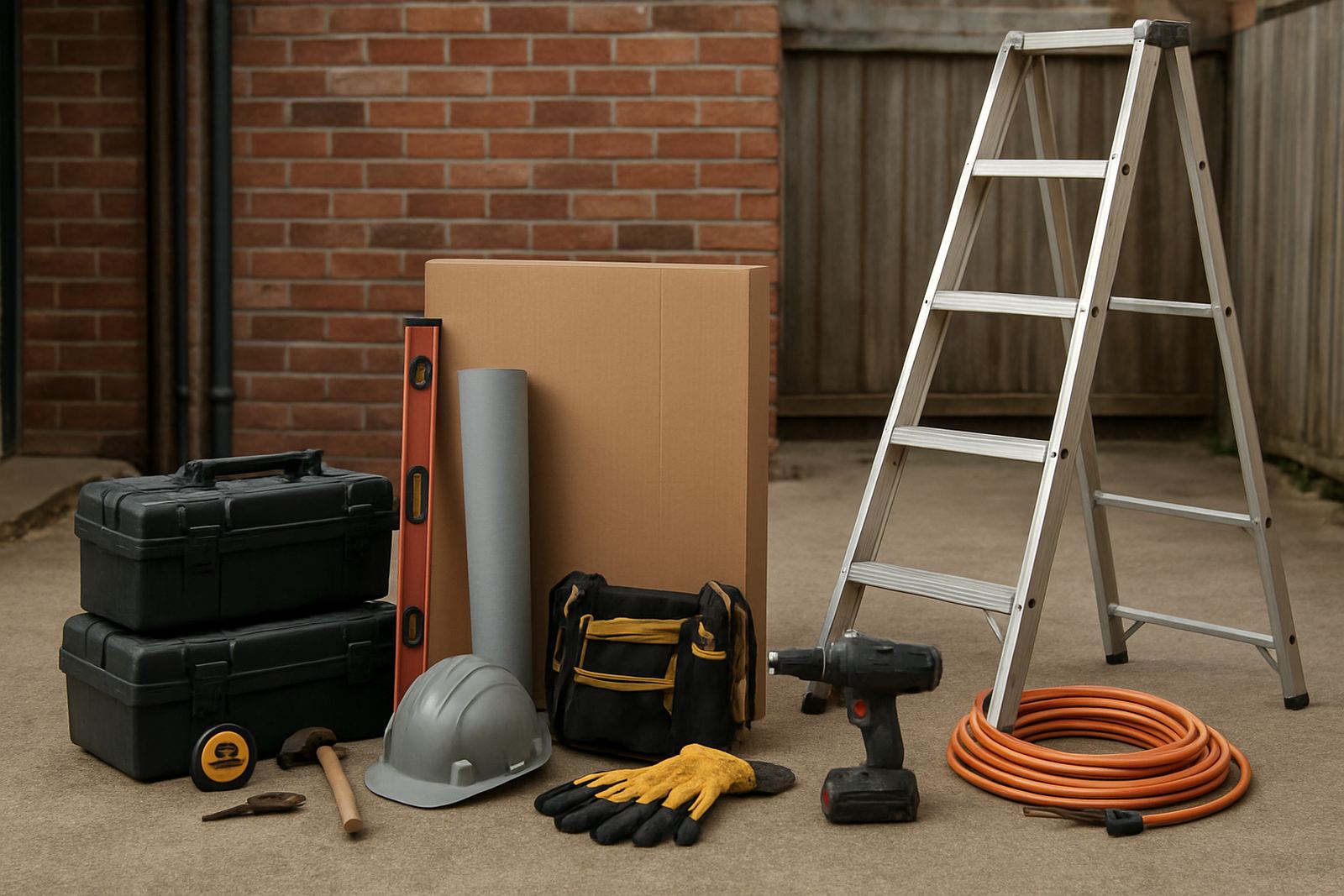
When our team arrives, we first confirm the layout, access and safety requirements. Then we set out the tools, check levels and mark the fixing positions. Depending on the job, this could include drilling, plugging, bonding, riveting, hanging, wiring or mounting onto standoffs. For light boxes and illuminated signage, electrical connections are handled carefully and tested before handover.
Installations vary. A simple vinyl graphic on a glass panel may take less than an hour, while a full shopfront sign, fabricated Perspex panel or multi-part fascia system can take longer. If the job includes large format printing, sign fabrication or refurbishment, we may work in stages so that each part is fitted correctly and aligned properly.
Our installers work to keep disruption low, but there will be some noise and dust. If drilling is involved, we use protective coverings where needed and clean up once the work is complete. We also keep an eye on weather, because strong coastal wind can affect lifting, positioning and safe handling of larger boards.
4. Safety, compliance and access rules
Safety is not optional. We follow site-specific rules, use the right access equipment, and keep the work area controlled while the sign is being installed. For businesses in busy areas like Westville, Phoenix or central Durban, this matters even more because pedestrian movement and traffic can be constant. If the site manager has permit rules, parking restrictions or induction requirements, share them before the day of installation.
Some signs need extra care because of height, weight or electrical parts. Shopfront installations may need early morning or after-hours fitting. Window frosting and large vinyl jobs can require clean, dust-free conditions. If the sign is in a public-facing area, we may cordon off a section while the work is in progress, so customers and staff stay safe.
- Keep the work area clear of pedestrians and staff traffic
- Follow building and centre safety rules
- Use correct access equipment for high-level work
- Confirm electrical isolation before working on illuminated signs
- Report any hidden damage to the wall or frame immediately
Where a municipal requirement or landlord approval is needed, it is better to resolve that before fitting starts. A late approval can hold up the job and may also mean rescheduling the crew, which adds cost and time.
5. Handover, testing and final checks
Once the sign is in place, we check alignment, fixing strength and finish. For illuminated signs, we test the lighting and inspect the wiring. For printed graphics, we look for edge lifting, bubbles or uneven trimming. The final result should look straight, clean and suitable for the site it was made for.
Before we leave, the team does a final sweep of the area and removes offcuts, packaging and drilling dust. If the install includes multiple panels or a sequence of signs across a facade, we confirm that each section matches the agreed layout. If there are any minor touch ups needed, we note them and deal with them promptly.
At handover, it helps if someone from your side walks through the work with us. That is the best time to ask about cleaning methods, lighting checks, or anything else that should be watched in the first few days after fitting.
6. Aftercare, maintenance and what to watch for
A sign can last for years if it is cared for properly. After installation, keep an eye on the first few days of weather, especially on coastal sites where salt air can test fixings and sealants. If you notice movement, lifting edges, a dead light section, or water getting behind a panel, tell us quickly so we can assess it before the issue grows.
We also offer maintenance visits, sign refurbishments and removals when a tenant changes, a business rebrands or a sign reaches the end of its working life. That can include replacing faded vinyl, re-sealing a light box, or taking down old panels and leaving the surface ready for the next install.
- Wipe graphics and glass with suitable non-abrasive cleaners
- Do not press hard on printed vinyl or acrylic faces
- Check that illuminated signs are working after load-shedding
- Report cracks, rust, loose fasteners or water ingress early
- Keep a record of when the sign was installed and serviced
If your site is in Briardene, Durban North, Umhlanga, Pinetown or anywhere across eThekwini and the North Coast, we can help with the full process from survey to final fitment. The better the prep, the cleaner the installation and the less time your team spends dealing with surprises.