Built for Durban Conditions
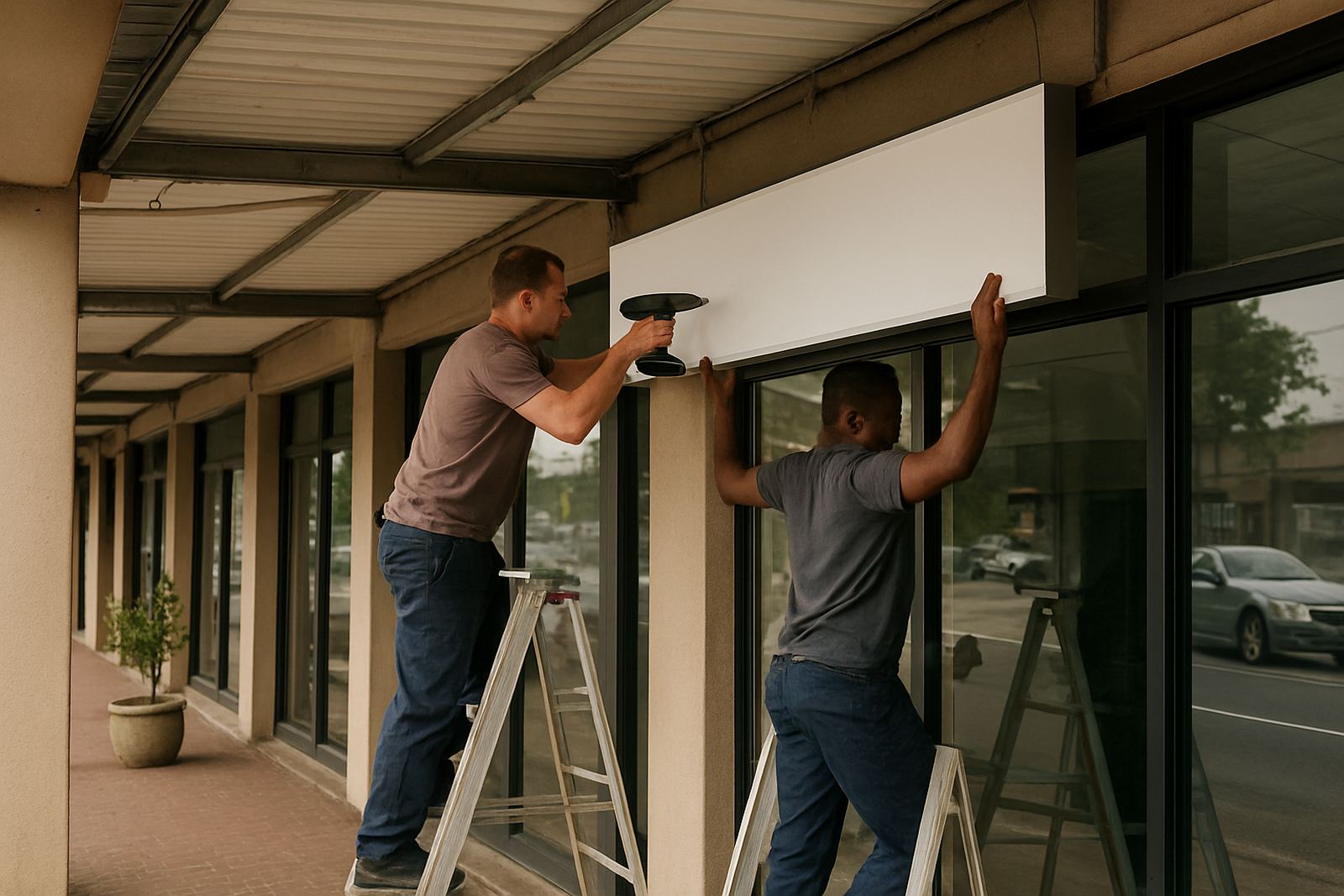
Sign fabrication is where the practical work starts. We take approved artwork, site measurements and the intended fixing method, then build the sign structure that will carry the face, lighting or vinyl finish. That can mean a simple flat panel, a built-up box, a light box shell, or a full assembled sign unit ready for mounting on a wall, fence, shopfront or pole. For coastal areas like Umhlanga, Ballito and Tongaat, we pay close attention to corrosion resistance and water management so the sign keeps its shape and finish for longer.
Our fabrication work is planned around where the sign will live. A sign inside a reception area has different needs from one on an exposed roof edge in Briardene. Exterior units need firm backing, proper drainage, solid returns and fastening points that suit the substrate. We also allow for maintenance access where lighting or panels may need future servicing. Small details matter here, because a sign that is well fabricated is easier to install, easier to clean, and less likely to give trouble later.
What We Fabricate and Assemble
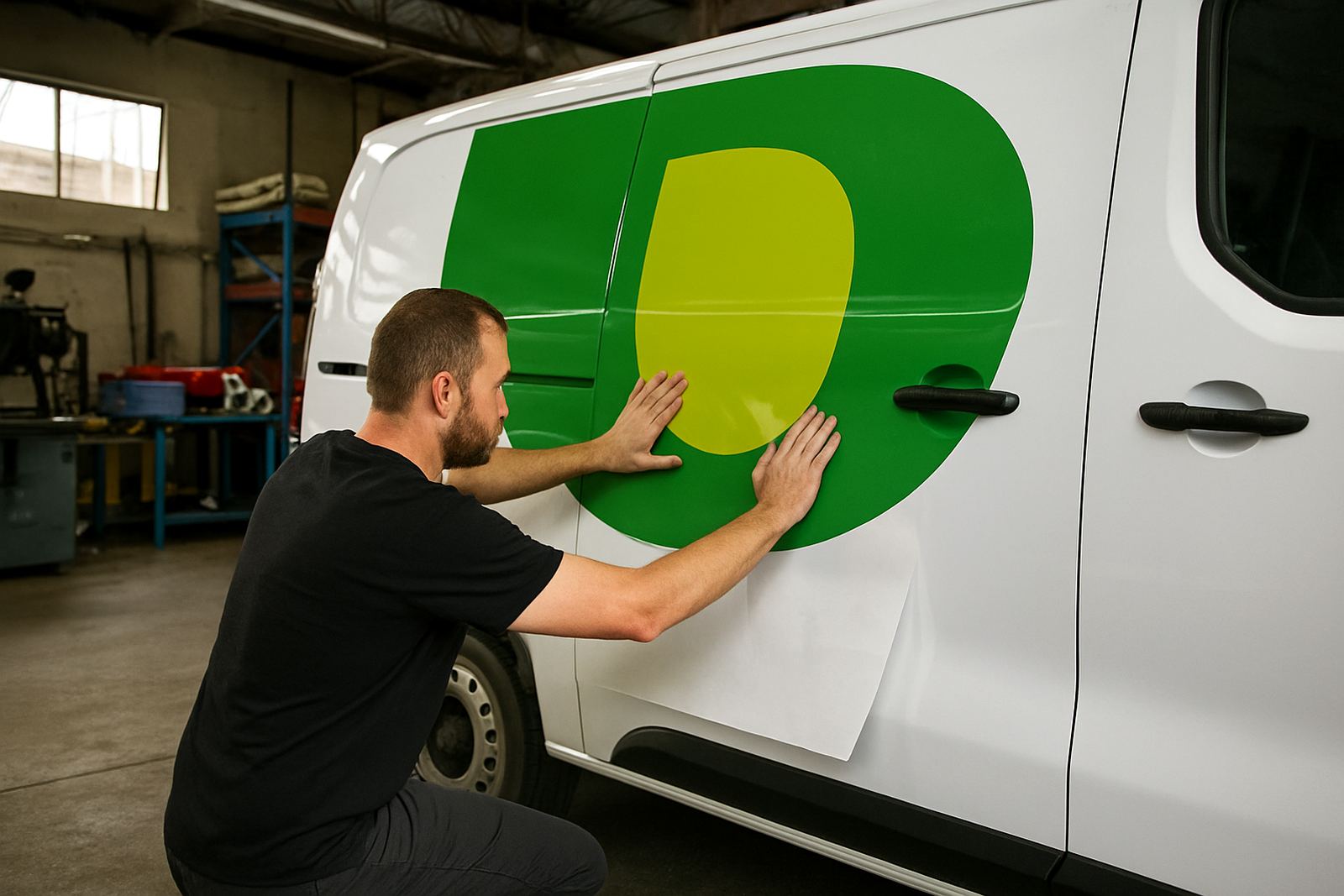
We make signage components and completed units for a wide range of uses. The exact build depends on the visual style, size, weight and fixing point. Common fabrication work includes panel signs, layered signage, light box housings and shaped units for shopfronts, walls and vehicles. We also prepare frames and backing structures for printed faces, vinyl applications and translucent panels. Where required, we include spacer systems, mounting brackets and removable access panels.
- Flat panel signs in aluminium composite, Perspex or ABS
- Framed sign units for wall, fence and fascia mounting
- Light box bodies with internal access for wiring and lamp replacement
- Built-up lettering support panels and box section returns
- Indoor directional and office signs with clean edge finishing
- Exterior panels with sealed joins and corrosion aware fixings
We can fabricate for one-off signs or multiple branch rollouts across Durban North, Pinetown, Westville, Phoenix and the KZN North Coast. For repeat work, we keep dimensions and fixing notes on file so the next unit is consistent with the first one.
Our Fabrication Process from Measure to Fit
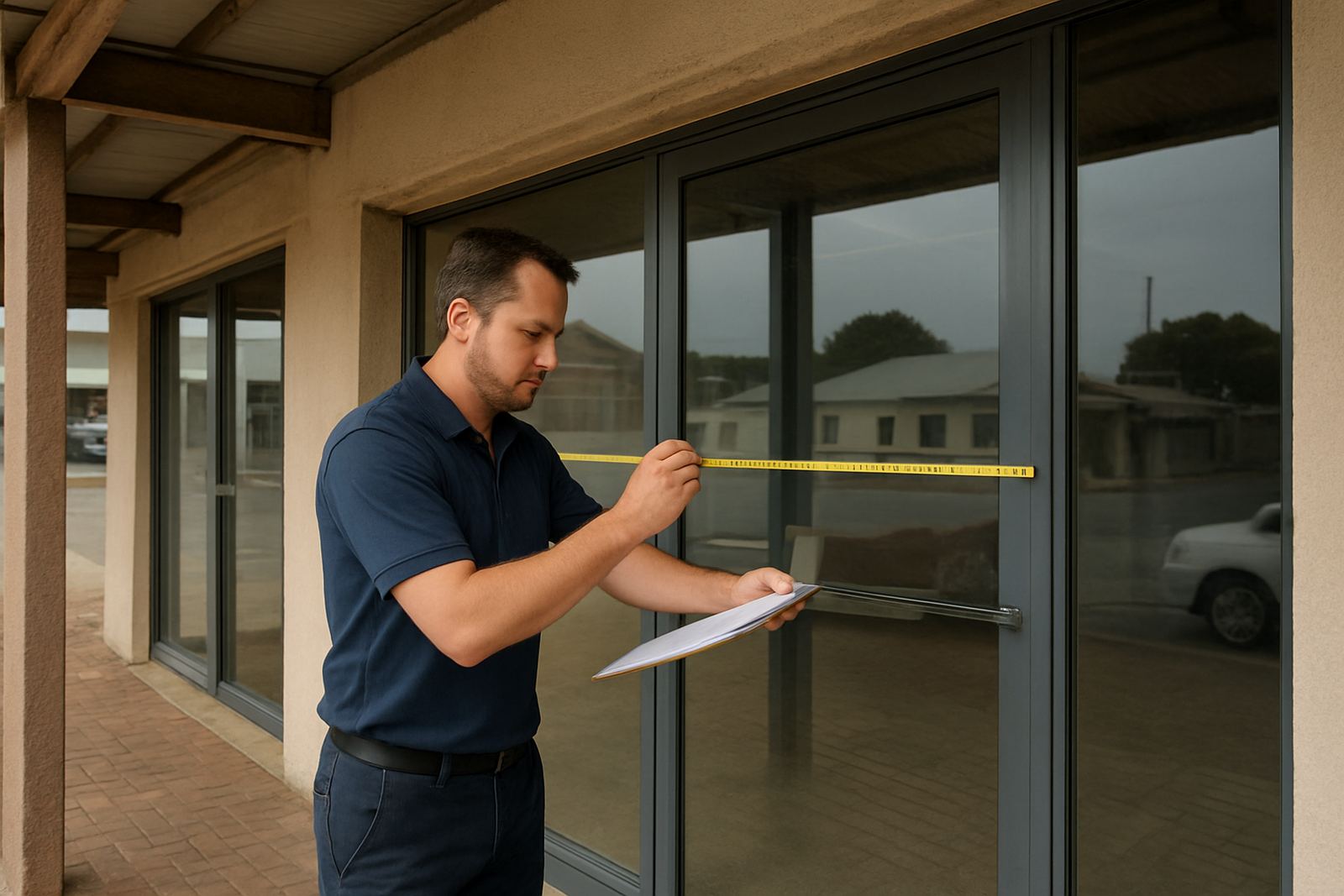
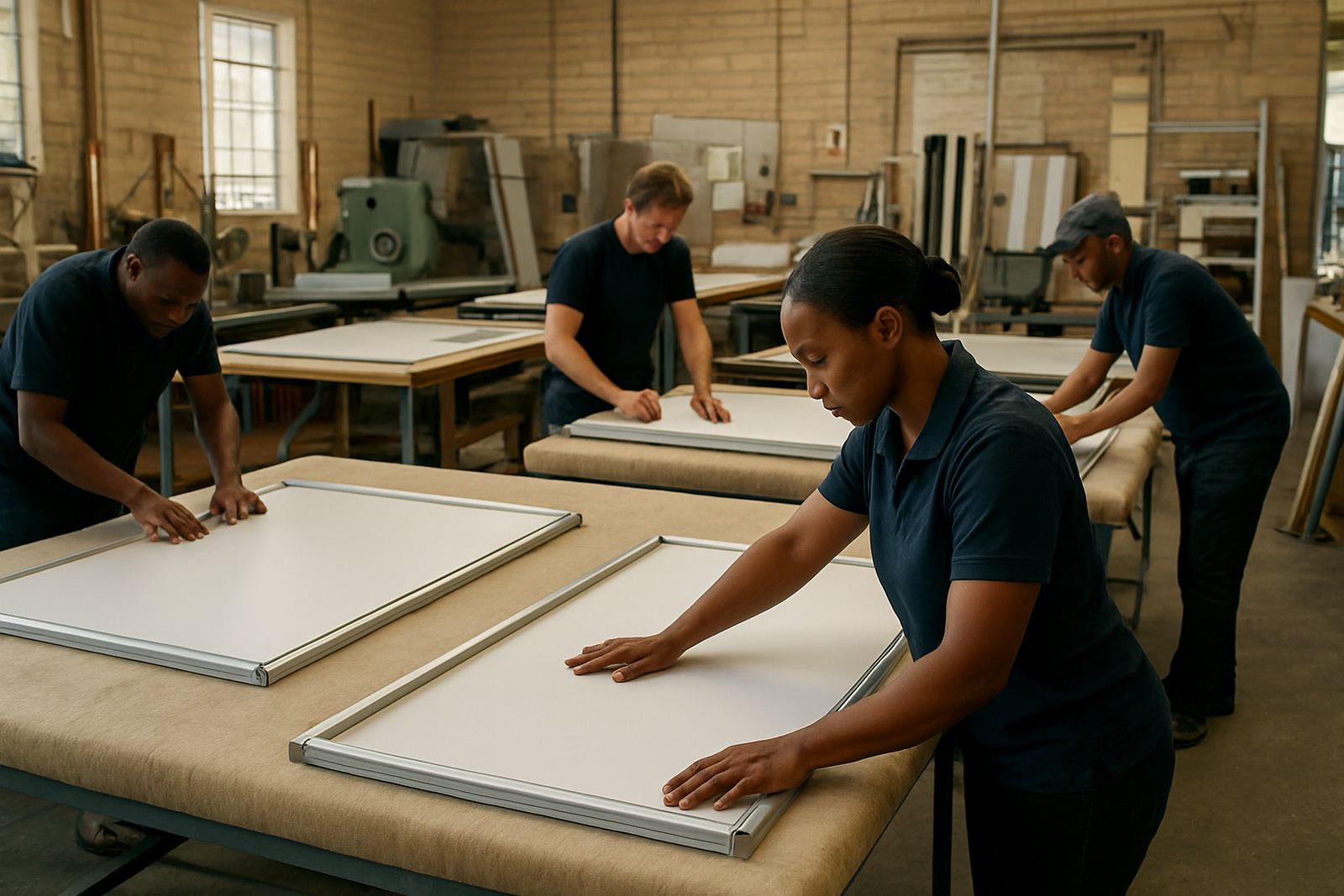
Every job starts with a site survey or confirmed measurements. We check wall type, available space, viewing distance, height, access and any municipal or property rules that may affect the install. From there we confirm the material choice, thickness, edge treatment and fixing method. Once the build is approved, fabrication moves into cutting, forming, assembly and finish preparation. If the sign will carry print or vinyl, we make sure the face is ready for clean application, with no rough edges or warping.
- Site survey and measurements at the premises
- Artwork and size confirmation before cutting begins
- Material selection based on indoor or outdoor use
- Cutting, folding, bonding and frame assembly
- Quality check for alignment, corners and fixings
- Handover to installation or collection, depending on the job
Our production team works to practical tolerances, because a sign that looks neat on the bench must still fit properly on the wall. If a unit needs to sit above a roller shutter, around pipes, or on an uneven surface, we factor that in during fabrication instead of forcing it during installation. That saves time and reduces call-backs.
Materials, Sizes and Finish Options
We fabricate using materials that suit the job and the budget. For exterior signs, we often specify aluminium composite panels, metal framing, Perspex, ABS and treated fixings that hold up better in humidity and salt air. For interiors, lighter panels and cleaner edge finishes are often enough. Thickness and support are matched to size, because a 600 mm sign and a 3 metre fascia panel do not need the same structure. In windy areas, the frame and fixing pattern become even more important.
Typical fabrication specs include 3 mm to 6 mm panel material, box sections where extra rigidity is needed, sealed joins, and powder-coated or painted finishes where appropriate. We can build signs for illuminated applications, vinyl application, printed faces or combination units. If the sign is going into a shopfront with direct sun, we may suggest protective laminate or UV consideration so the finish stays cleaner for longer. In some cases, we also design for easier removal when a tenant changes and the sign needs to come down without damaging the substrate.
Turnaround, Pricing and Project Planning
Turnaround depends on size, quantity, material supply and whether the job includes lighting or special fixing work. A straightforward panel or framed sign may move quickly, while a larger rollout or a unit with multiple parts can take longer because each piece must be checked before assembly. We will always give a realistic lead time up front, rather than promising something we cannot keep. If the job is urgent, we will tell you what can be fast tracked and what must still go through proper drying, curing or fitting stages.
Pricing is based on the actual build. We price by material type, size, fabrication complexity, finishing, site access and installation requirements. The same sign in two different locations can have very different costs if one needs high-level access, scaffolding or extra sealing. Where possible, we help clients compare options so they can choose the best value without over-specifying. For example, a simple internal sign does not need the same construction as an outdoor illuminated unit in salt air.
Maintenance and Refurbishment Planning
Fabricated signs last longer when they are checked regularly. For most exterior signs we recommend a maintenance visit every 6 to 12 months, and more often in coastal areas or busy roadside locations. That check can include tightening fixings, cleaning faces, inspecting seals, looking for water ingress and assessing the frame for wear. If a sign is exposed to dust, traffic grime or strong sun, it may need attention sooner. A small issue dealt with early is usually cheaper than replacing a failed unit later.
- Monthly visual check by the site manager for loose corners or fading
- 6 month maintenance visit for most exterior signs
- 3 to 6 month visits for coastal, high wind or high traffic sites
- Annual review for internal signs and low exposure units
When a sign has reached the end of its life, we can assist with removal and refurbishment planning. Sometimes the frame can be reused and only the face or finish needs replacement. That approach saves material and keeps downtime down, especially for retail and office sites that need to stay visible while work is carried out.
Key facts
| Typical panel sizes | From small indoor plaques to multi-metre shopfront panels |
|---|---|
| Material options | Aluminium composite, Perspex, ABS, metal framing and backing panels |
| Common thicknesses | 3 mm, 4 mm and 6 mm depending on use and span |
| Finish options | Printed face, vinyl applied face, laminated finish or painted frame |
| Use cases | Shopfronts, offices, reception areas, roadside signs and site signage |
| Service area | Briardene, Durban North, eThekwini, Umhlanga, Pinetown and the KZN North Coast |