What We Check On Site
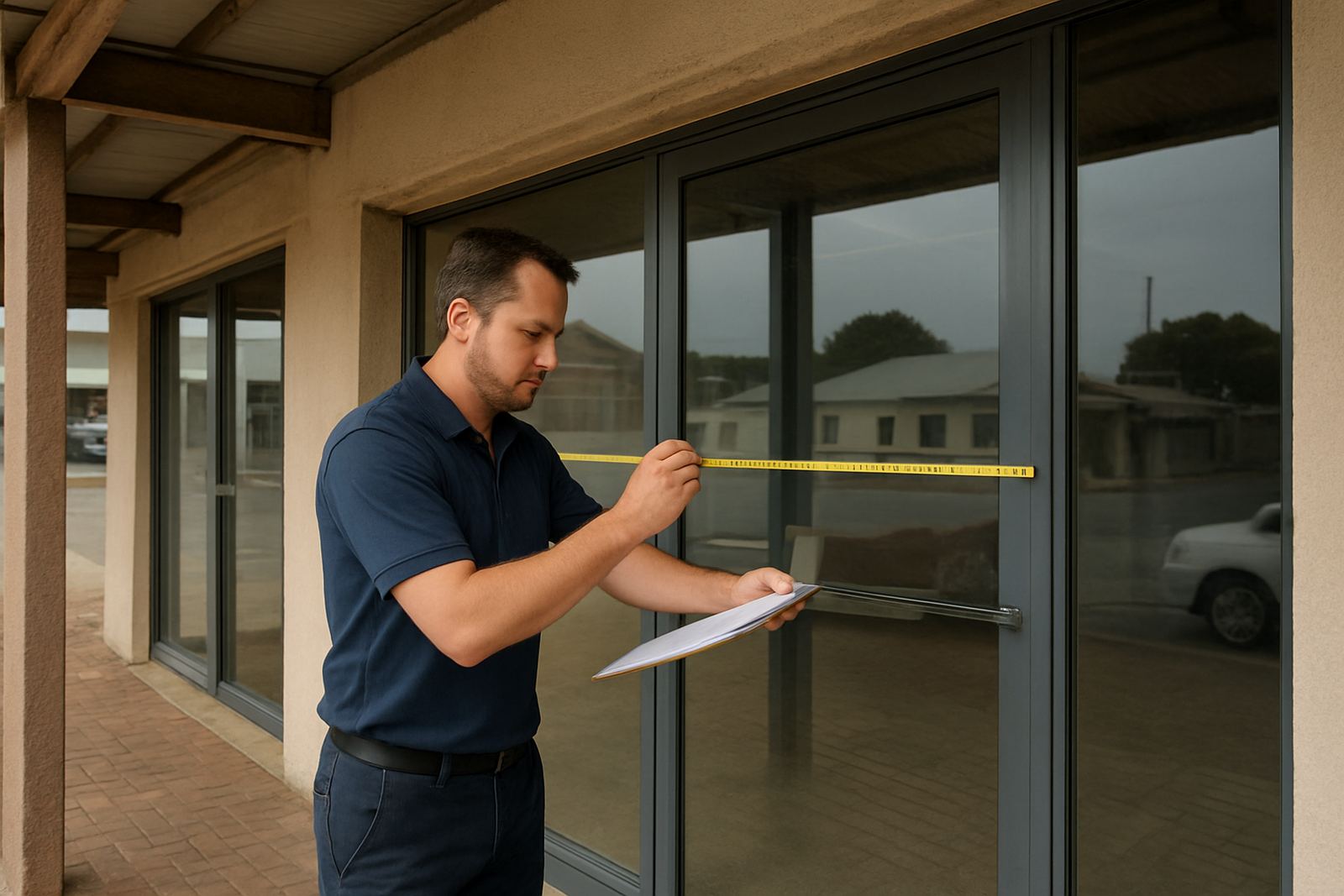
A proper site survey removes guesswork. At your premises we measure the sign area, note wall type, check for cladding, glass, brick, concrete or steel framing, and identify any obstructions such as pipes, cables, parapets, alarms or plant equipment. We also look at how the sign will be seen from the road, parking area or footpath, because angle and distance affect panel size, letter height and lighting choice.
In Durban North, Umhlanga, Pinetown and along the coast, the weather matters too. We factor in wind exposure, salt air, direct sun and the effect of heavy rain on fixings and sealant. If the site is in a municipal area with strict shopfront rules or body corporate requirements, we record what approvals may be needed before fabrication starts.
- Measured dimensions for walls, windows, vehicles or freestanding frames
- Photo record of the installation area and access routes
- Substrate check for safe fixing and suitable hardware
- Lighting, power point and visibility assessment
- Notes on by-laws, access times and safety controls
How The Survey Supports Your Quote
Accurate quoting starts with accurate information. A survey lets us price the job on real measurements rather than estimated sizes from a photo or sketch. That means fewer changes later and less risk of additional costs once production begins. We can confirm whether you need a simple vinyl graphic, a fabricated Perspex face, a Chromadek panel or a light box with internal illumination.
For larger work, we also use the survey to plan lifting access, ladder placement and whether a cherry picker or scaffold will be needed. If the site has limited loading access, security controls or operating hours that affect installation, we include that in the plan. This is especially useful for busy retail sites in Umhlanga, industrial units in Pinetown and coastal locations where work windows can be short.
- Clear pricing based on actual site conditions
- Reduced risk of rework, delays or material waste
- Better matching of product type to the mounting surface
- Planning for access equipment and install timing
Our Survey Process From Booking To Report
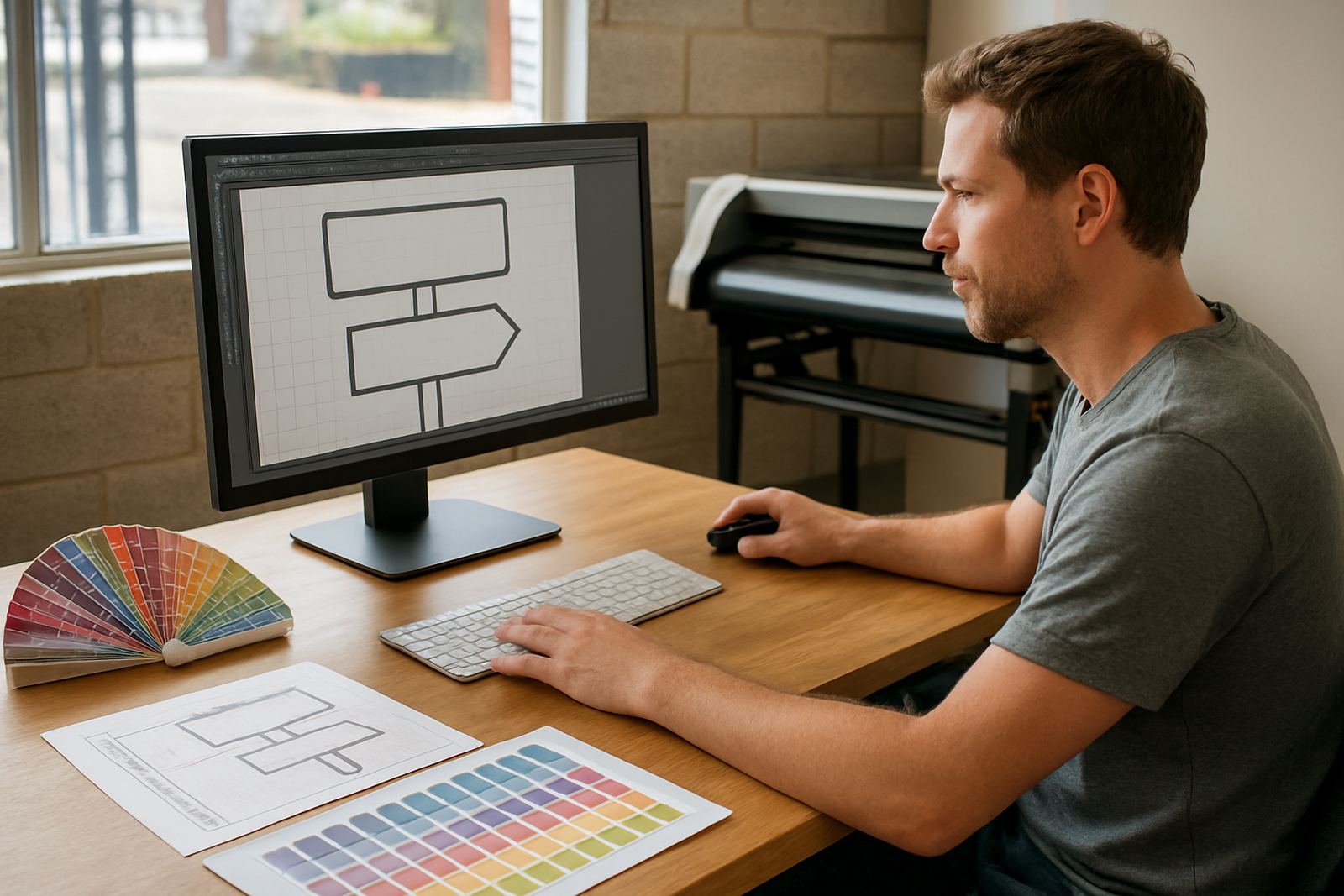
Once you send your enquiry through the contact page, our team sets up a survey visit and confirms what is needed on site. Bongani Patrick Zulu and the operations team will review the job type, while the production and installation teams consider the material and fitting method. If artwork adjustments are likely, we note the space available and the exact layout required.
During the visit we take measurements, check levels and mark practical details such as bracket positions, glass edges, vehicle curves or uneven walls. After the visit, we compile the notes into a workable brief for quoting and production. If the job needs multiple signs across one site, we can survey each position in the same visit so the full scope is captured correctly.
- Initial enquiry and job brief
- Site visit with measurements, photos and access notes
- Assessment of materials, fixings and installation method
- Quote and production plan issued after review
- Installation scheduling once approval is received
Typical Site Survey Details We Capture
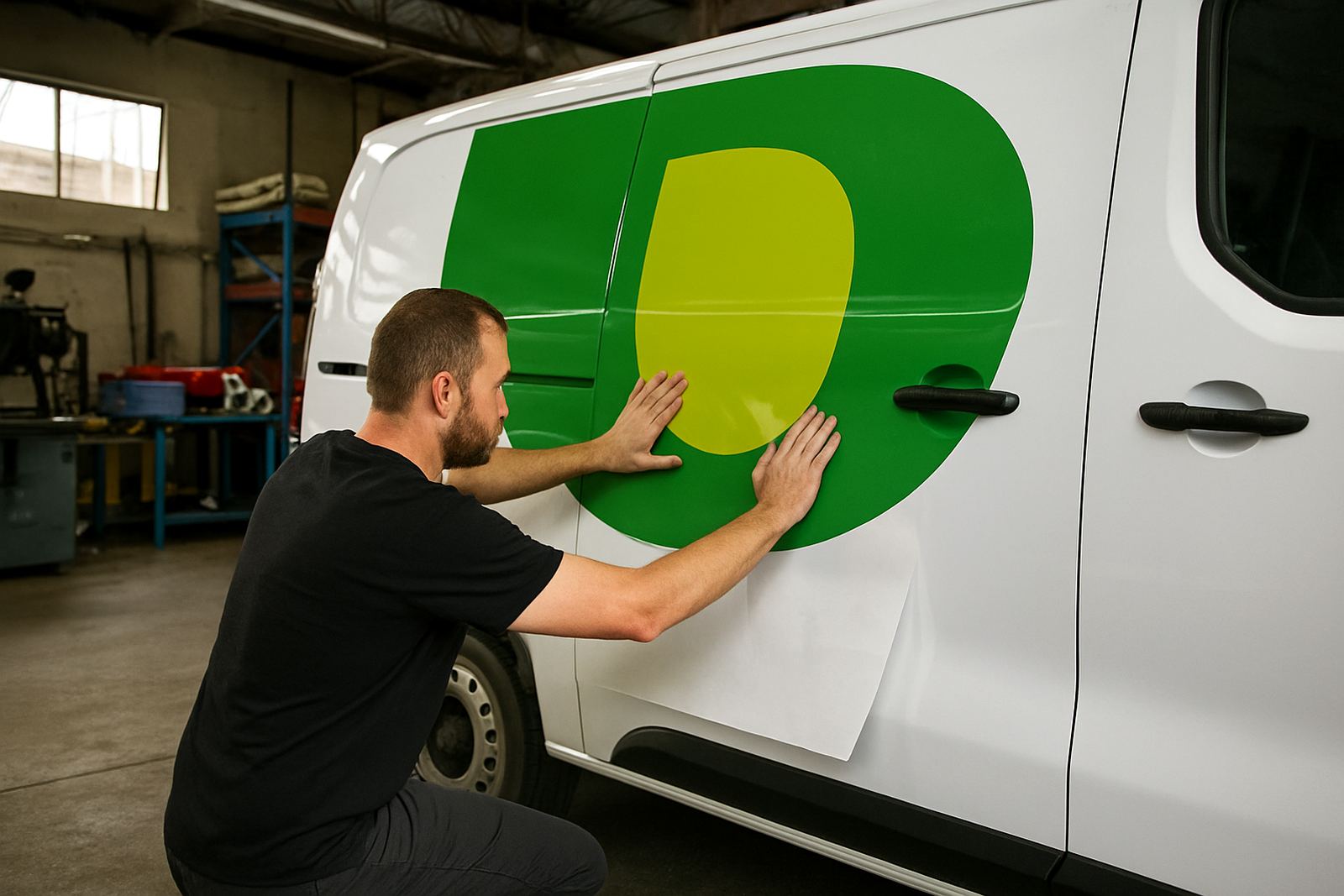
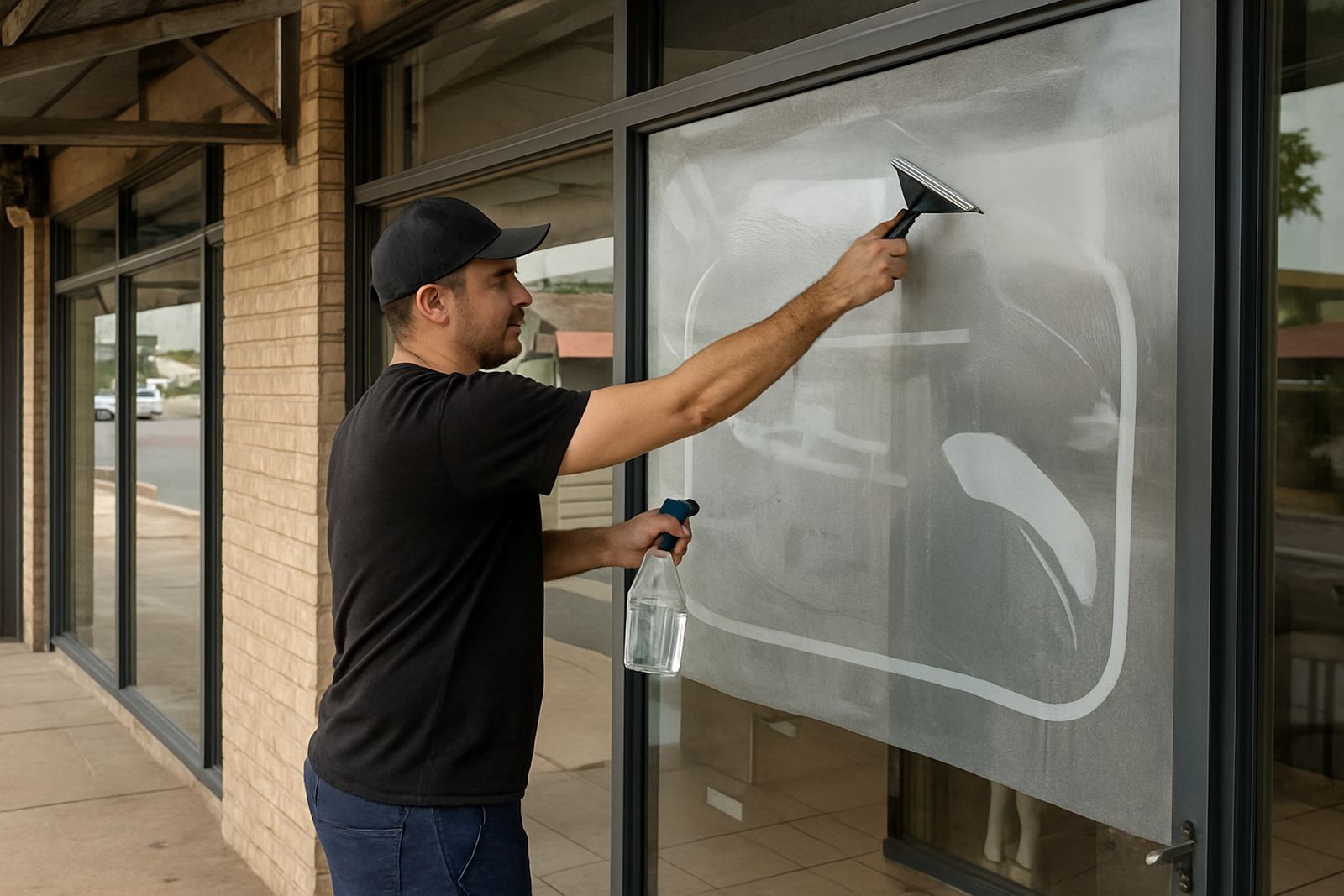
Every site is different, but the same practical details usually make the difference between a smooth installation and a difficult one. For shopfront signage we check fascia height, fascia depth, glass width and any restrictions on drilling or adhesive use. For window frosting and contra-vision we measure each pane separately, because glass divisions, seals and handles affect the cut pattern. For vehicle graphics we record panel shape, rivet lines, door gaps and any existing decals that need removal.
For signs exposed to strong wind or coastal humidity, we look at fixing points and recommend materials that suit the environment. In some cases that means aluminium composite, Perspex or ABS panels with corrosion-resistant fittings, in others it means a framed panel or a light box with weather protection. If the site needs maintenance access later, we plan for that too, so lamps, faces and vinyl can be reached without unnecessary dismantling.
- Site height and working clearance
- Exact sign width, height and depth allowance
- Surface condition and fixing method
- Electrical point location for illuminated signs
- Future access for cleaning or maintenance visits
Turnaround Times And Scheduling
Survey timing depends on the site location, access and urgency. In most Durban metro areas we can arrange a survey within a practical timeframe, and for nearby areas such as Durban North, Briardene, Umhlanga and Westville the turnaround is often quicker because travel time is short. More complex sites, multi-location projects or coastal North Coast work may need a little more coordination, especially if approval documents or access permits are required.
After the survey, quote preparation usually follows once the measurements and technical notes are checked. If the job is straightforward, this can move quickly. If the site needs landlord approval, council compliance checks or changes to the artwork size, we allow for that in the schedule. We would rather give a realistic lead time than promise something that cannot be installed properly.
When the job is approved, fabrication and installation dates are set around the site operating hours. That helps reduce disruption to staff, customers and traffic flow.
Pricing Approach And Ongoing Maintenance
Site surveys are priced according to distance, site complexity and the time needed on site. A single frontage with easy access is simpler than a multi-level site with restricted access, but we keep the approach fair and transparent. For larger projects, the survey fee may be credited into the final job if the work proceeds, depending on the scope agreed at the start.
We also recommend maintenance intervals for signs exposed to sun, rain and salt air. A simple annual check works for many indoor and sheltered signs, while coastal installations may benefit from inspections every 6 to 12 months. During a maintenance visit we can check fixings, clean panels, assess fading, replace damaged vinyl and inspect illuminated units for water ingress or dead lamps.
- Survey fee based on travel, access and scope
- Possible credit on approved projects
- Maintenance checks from 6 to 12 months for coastal sites
- Refurbishment and sign removals available when required
Why Local Survey Knowledge Matters In KZN
Local conditions affect signage more than many people expect. Salt in the air can shorten the life of cheap fixings, summer heat can affect adhesive performance and load-shedding can change the best time to test illuminated signs. In areas such as Ballito, Tongaat and Verulam, wind exposure and road visibility often shape the final sign specification. In industrial and retail areas around Pinetown and Phoenix, access controls and delivery timing can shape installation planning.
That is why BP Signs treats the survey as part of the job, not an extra. The more accurate the site information, the better the fabrication, the cleaner the install and the easier future maintenance becomes. It helps us make signs that fit first time and stay in place in real Durban conditions.
Key facts
| Measurement range | Wall, window, vehicle and freestanding sign areas from small panels to large format frontage work |
|---|---|
| Survey output | Photos, measurements, access notes, fixing advice and quote brief |
| Common materials assessed | Vinyl, digital print, Chromadek, Perspex, ABS, light box frames and window film |
| Typical site factors | Height, wind exposure, salt air, power access, surface type and installation clearance |
| Service area | Briardene, Durban North, eThekwini, Umhlanga, Pinetown and the KZN North Coast |
| Maintenance interval | Recommended checks every 6 to 12 months for exposed coastal signs |