When the old signage no longer matches the business
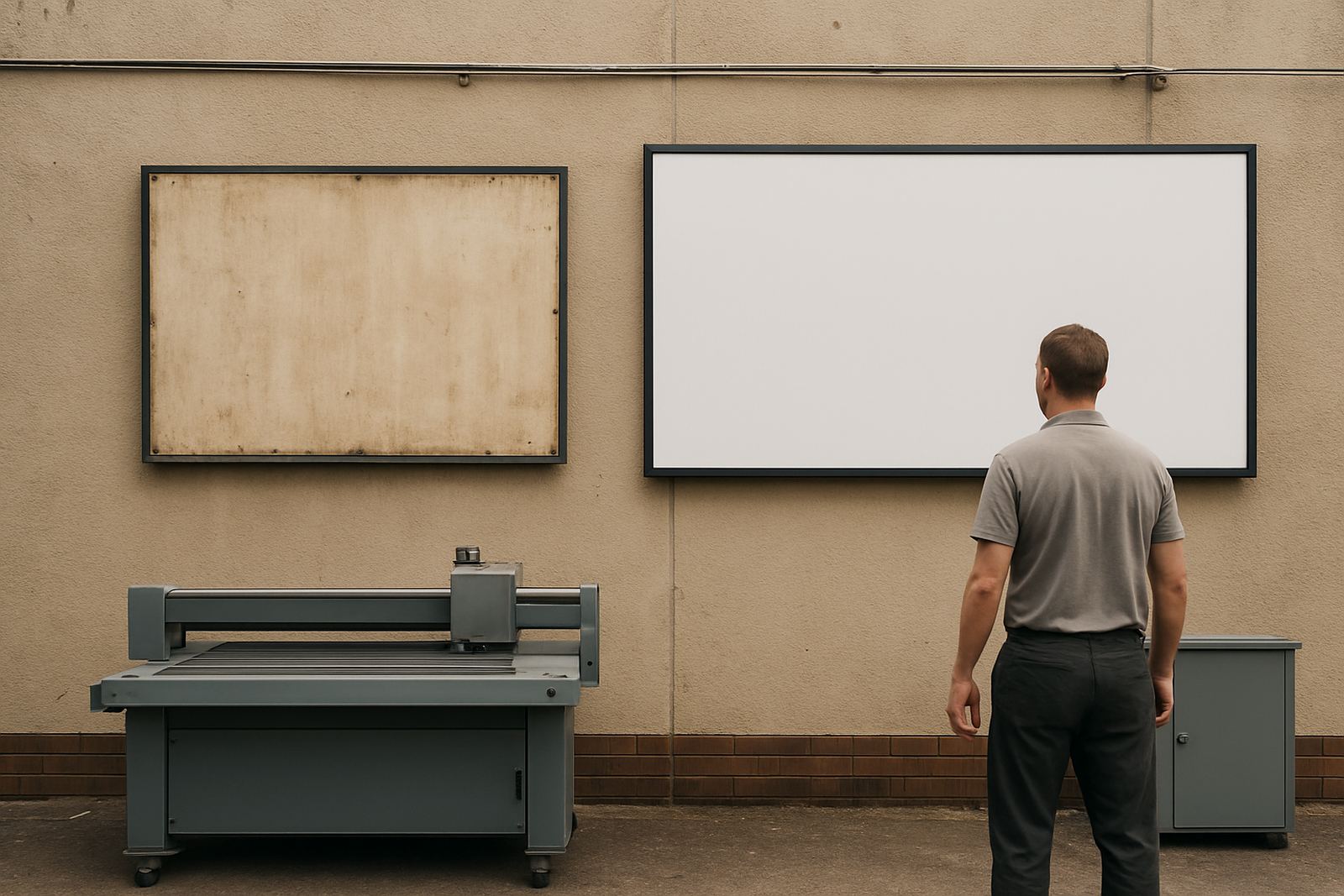
Many businesses keep the same signs for years because the boards are still standing and the lights still switch on. But if your premises have changed, your signage may be telling the wrong story. A rebrand becomes worth considering when the name, logo, colours or services have moved on, yet the exterior still reflects an older version of the company.
This is common after expansion, a change in ownership, a new product range, or a shift from local walk-in trade to larger commercial work. In Durban, where a site may face strong sun, coastal humidity and load-shedding all in the same week, worn signs can age quickly. Faded print, cracked Perspex, yellowing vinyl and tired light boxes all send a message before your staff even greet a visitor.
If your branding looks inconsistent across the gate, shopfront, vehicles and inside signage, that is usually a sign the whole system needs attention, not just one panel.
Signs your customers are noticing the problem before you do
Customers often pick up on branding problems long before management does. They may not mention it directly, but they notice when a company looks dated, hard to find, or inconsistent across different touchpoints. A rebrand is often due when people struggle to identify your premises from the road, or when your signage no longer looks as professional as the service you provide.
- Your colours vary from one sign to the next
- The logo on vehicles does not match the shopfront
- Window graphics have peeled, bubbled or lost clarity
- Directional signs are confusing or no longer accurate
- Illuminated signs look dim, patchy or uneven at night
In busy areas such as Briardene, Umhlanga and Pinetown, customers often make decisions fast. If your exterior looks tired or unclear, they may simply drive past. That is why rebranding is often less about style and more about keeping your business visible and easy to trust.
Operational changes that call for a full refresh
Sometimes a rebrand is needed because the business itself has changed in practical ways. New ownership, new departments, a larger premises, or an expanded service offering can make old signage inaccurate. If you now handle trade from several access points, need clearer wayfinding, or operate from a building with stricter municipal signage rules, the old setup may no longer work.
A proper review should include the premises, vehicles and any off-site branding. It is common for a business to update only the main fascia and then leave the rest behind. That creates mixed messages and can affect how your company is perceived by staff, suppliers and clients.
- New management wants a cleaner, more consistent image
- The company has grown from one service to several
- The premises layout has changed after a move or upgrade
- The current signage is not compliant with building or estate rules
- Vehicles, windows and indoor signs use different artwork files
A rebrand done properly brings all of those elements together so the business speaks with one voice.
Why coastal conditions in Durban speed up the decision
Durban businesses face signage wear that inland areas do not deal with as often. Salt in the air, intense UV exposure, heavy rain and wind all take a toll on materials. Printed vinyl can fade, adhesive can lift, and metal surfaces can start looking patchy or corroded. If your company is based near the coast or services areas like Umhlanga, Ballito or Tongaat, the condition of your signs should be checked regularly.
Load-shedding is another factor. A light box that no longer shows evenly during power cuts or after repeated switching can make a business look neglected. If your illuminated branding is supposed to help customers locate you after dark, any weak section or dead area should be treated as a warning. That does not always mean a full rebrand, but it often means the visual system is due for a serious review.
In practical terms, if your signs need constant patching, cleaning or small repairs just to stay acceptable, it may be more cost-effective to update the full package rather than keep fixing the same weak points.
What a sensible rebrand should cover on site
A good rebrand is not just a new logo on one board. It should be planned around the actual spaces where people see your business. That includes the street frontage, windows, internal walls, vehicles, temporary event signage and any directional or safety signs. If one area is updated and another is left behind, the brand still feels unfinished.
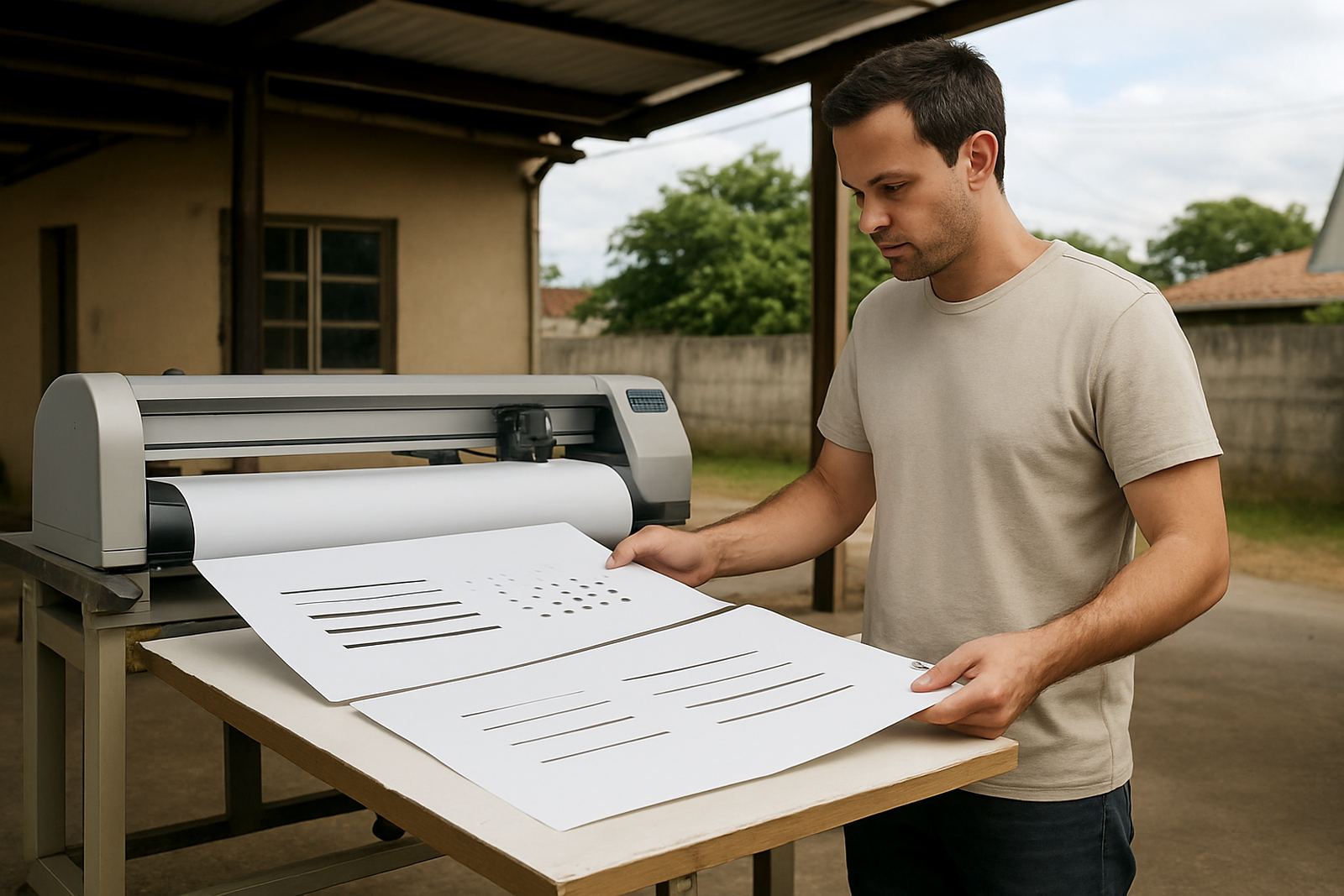
For many Durban businesses, the most practical order is to start with the signs that are seen first, then work through the rest of the premises. That way, the site stays usable while the update happens. Depending on the building, this can include vinyl cutting, digital printing, light boxes, Chromadek panels, Perspex panels, ABS signs, window frosting and contra-vision, plus installation and later maintenance visits if needed.
- Main shopfront sign and fascia panels
- Window graphics and privacy film
- Vehicle markings and identification
- Directional signs for staff and visitors
- Internal branding for reception, waiting areas and passageways
That approach keeps the update orderly and helps avoid spending money on pieces that do not work together.
},{A local example: when a simple refresh became a full rebrand
Take a Durban North business that has served the same area for years. The company may have started with one service, then later added new offerings, more staff and a second vehicle. The original sign still carries the old wording and the vehicle graphics use an earlier colour set. Visitors can find the place, but the branding no longer reflects what the company actually does.
In a case like that, the decision to rebrand usually comes after a practical review rather than a creative one. The business checks what must stay, what should go, and what needs to be rebuilt for visibility and consistency. Once the shopfront, vehicle graphics and window treatment are aligned, the premises feel more current and easier to recognise. It is a simple change in some cases, but it can make the site look far more organised and professional.
That is often the real value of rebranding: not a dramatic reinvention, but a clearer, stronger presentation of a business that has already moved on.