Start with the sign that tells people who you are
If customers cannot find you from the road or pavement, the rest of the signage budget is working too hard. For a new site in Briardene, Umhlanga or Pinetown, the first spend should usually go to the main identity sign, whether that is a fascia, light box, or a clean set of cut lettering on the shopfront. That is the sign that carries the name, helps with first-time visits and gives the business a proper street presence.
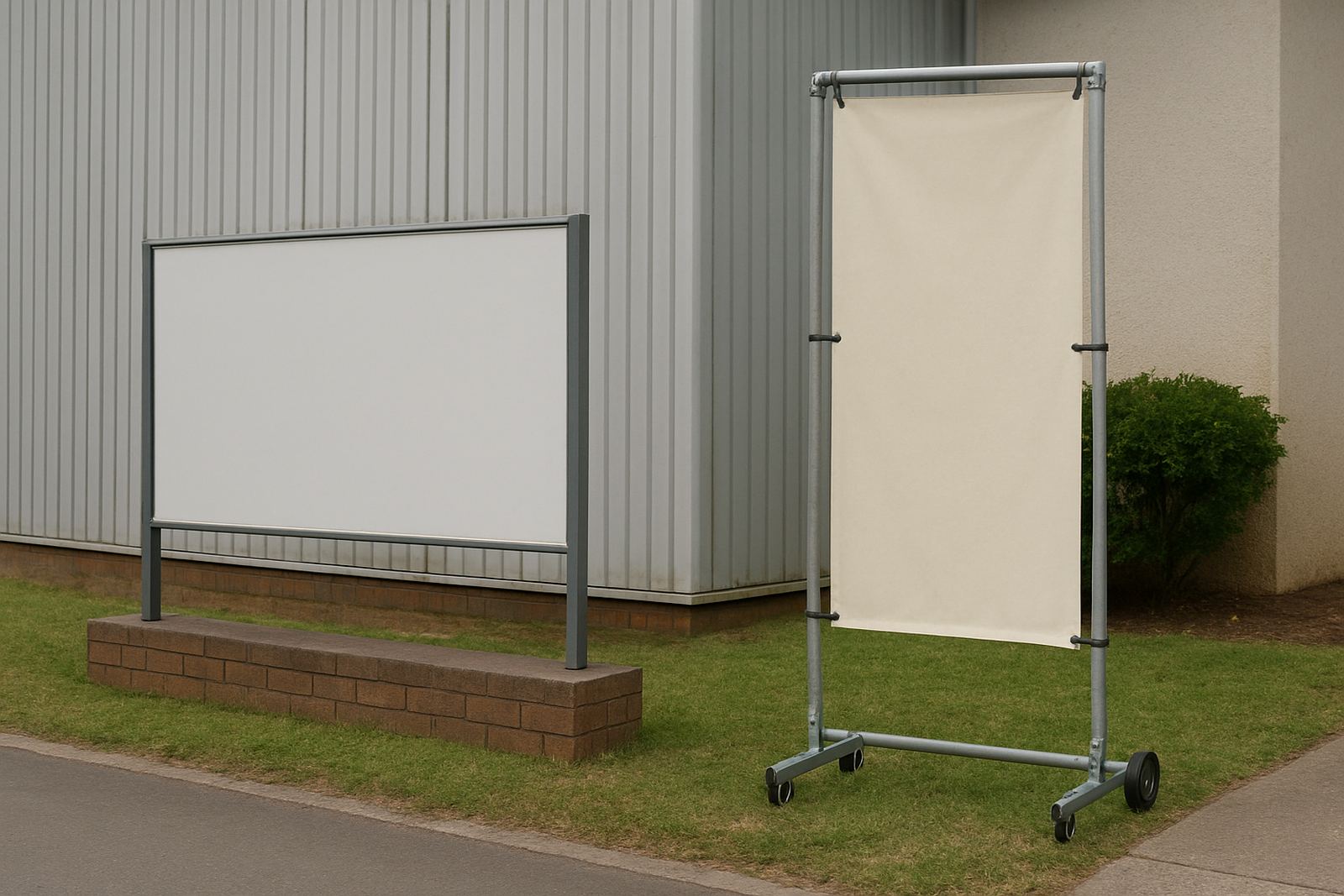
Keep this part simple. A clear logo, readable wording and good contrast will do more than a busy design with too many colours. In Durban’s coastal light, especially on bright mornings and late afternoons, the sign must still read well from a passing vehicle. If the frontage is shaded or set back from the road, light boxes or a high-contrast panel can be worth the extra spend.
- Choose the sign face that people will see first from the street
- Put readability ahead of decoration
- Allow for marine air if the site is near the coast
- Check where poles, trees or parked cars may block the view
Use window graphics to add value before spending on extras
Window frosting, contra-vision and printed glass graphics are often a sensible second step. They improve privacy, carry branding and can turn a plain frontage into useful advertising without taking up extra wall space. For salons, clinics, offices and front-of-house counters, this is one of the best-value ways to spend early money.
It is also practical in eThekwini where sun, glare and privacy matter. Frosting can soften direct views into meeting rooms or treatment spaces, while contra-vision lets you keep outward visibility during the day. If your site has large windows facing the road, this can make the premises look busy and professional before you have invested in full interior branding.
- Use frosting where privacy matters most
- Use contra-vision on larger road-facing windows
- Keep opening hours and contact details on key panes
- Plan artwork around handles, seals and opening sections
Budget for the sign body, not only the face
Many owners focus on the print or the vinyl and forget the structure behind it. A sign that looks neat on day one but warps, rusts or starts lifting in six months is poor value. In KZN North Coast conditions, especially where salt air is part of daily life, the backing material and fixings matter as much as the artwork. Chromadek, Perspex and ABS each have a job to do, but they must be matched to the site and the size of the sign.
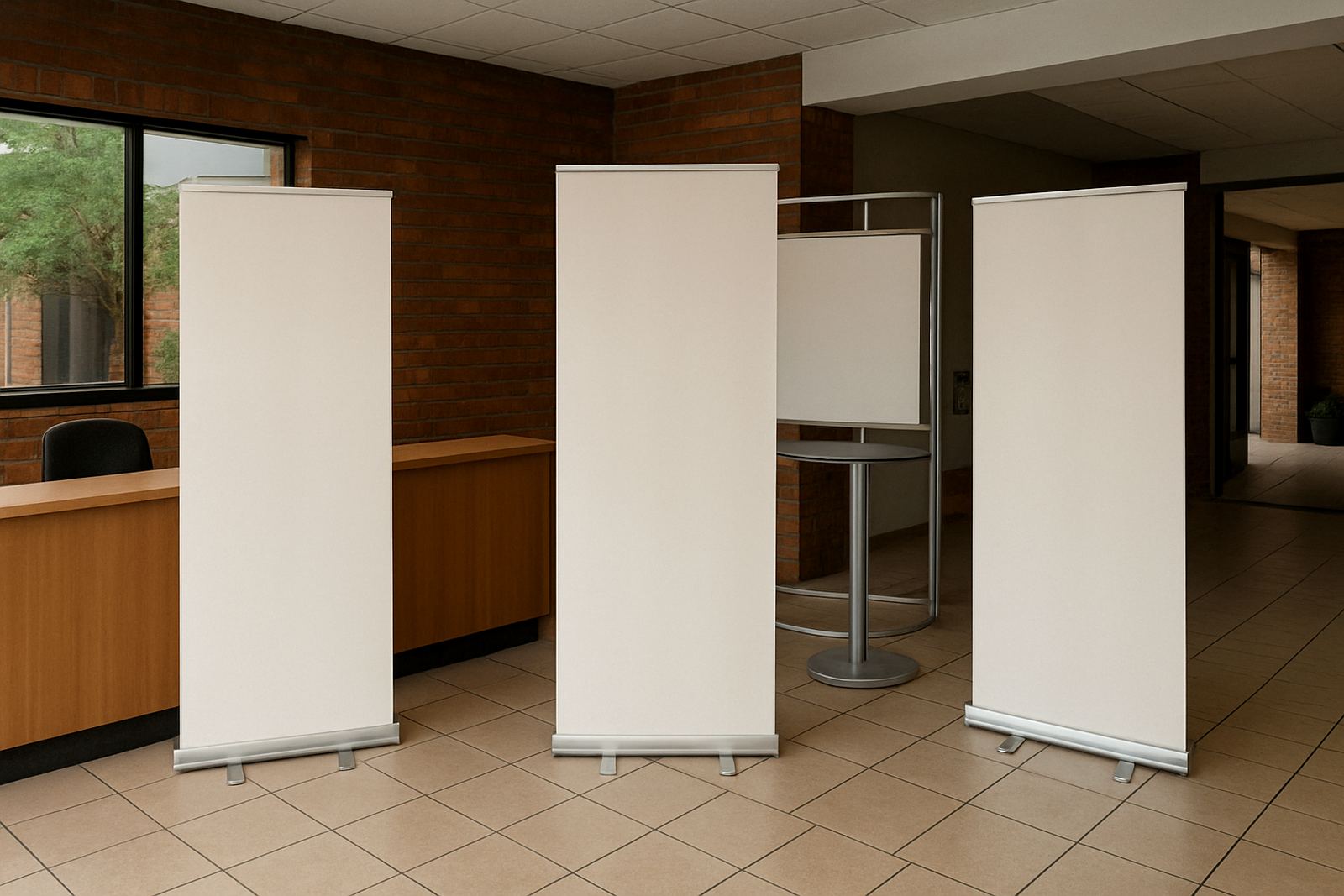
If the sign is going outdoors for years, spend more on the fabrication and less on unnecessary effects. If it is temporary for a promotion or opening period, then a roll-up banner or printed board may be the smarter choice. The point is to match lifespan to budget, not to overspend on a short-term message.
- Long-term outdoor signs need stronger materials and proper fixings
- Temporary campaigns can use lighter, lower-cost options
- Ask for maintenance access if the sign will be hard to reach
- Check for wind exposure on corners, poles and high walls
Plan installation and site access before the last Rand is spent
Installation often gets left until the end of the budget conversation, but it should be part of the main plan. A sign may need a lift, after-hours access, traffic control or a team working around trading hours. In busy areas such as Umhlanga, Westville or Phoenix, that can affect cost as much as the sign itself. If the site is on a main route or in a centre with rules about work times, plan for that early.
It also helps to think about what happens after fitting. Some signs need periodic cleaning, re-sealing or replacement panels. A budget that includes maintenance visits will save money later, especially on exposed sites where wind, dust and coastal moisture cause wear. A proper site survey before work starts can stop problems that only show up once the ladder is already up.
- Allow for access equipment where needed
- Check trading hours and landlord rules in advance
- Include cleaning and maintenance in the total cost
- Use a site survey to spot wiring, walls and mounting issues
Do not overspend on opening week if the layout may still change
When a business is still settling in, it is wiser to spend on the signs that must work immediately and hold back on decorative extras. Staff roles, entrances, queue lines and service points may change in the first few weeks after opening. If that is likely, use removable or reworkable signage for the changeable areas and save the permanent spend for the outer face of the site.
This approach is useful for new restaurants, small retail shops and service businesses with changing hours or promotions. Large format printing, vinyl cutting and print lamination can cover the practical items first, then you can move to more permanent shopfront installation once the flow of the site is confirmed. It is better to get the basics right than to pay twice for the same panel.
- Spend first on signs that customers need every day
- Keep changeable information easy to update
- Use laminated print where messages may shift
- Hold back decorative work until the layout is settled
A Durban example: a fresh start in Briardene with room to grow
Take a business opening in Briardene with customers coming from Durban North, Pinetown and the North Coast. The best budget split might start with a clear main sign facing traffic, then window frosting for privacy, then smaller directional and internal signs once trading begins. If the frontage is visible from the road but the unit sits back from the curb, the owner may need a light box or larger fascia before spending on extra interior graphics.
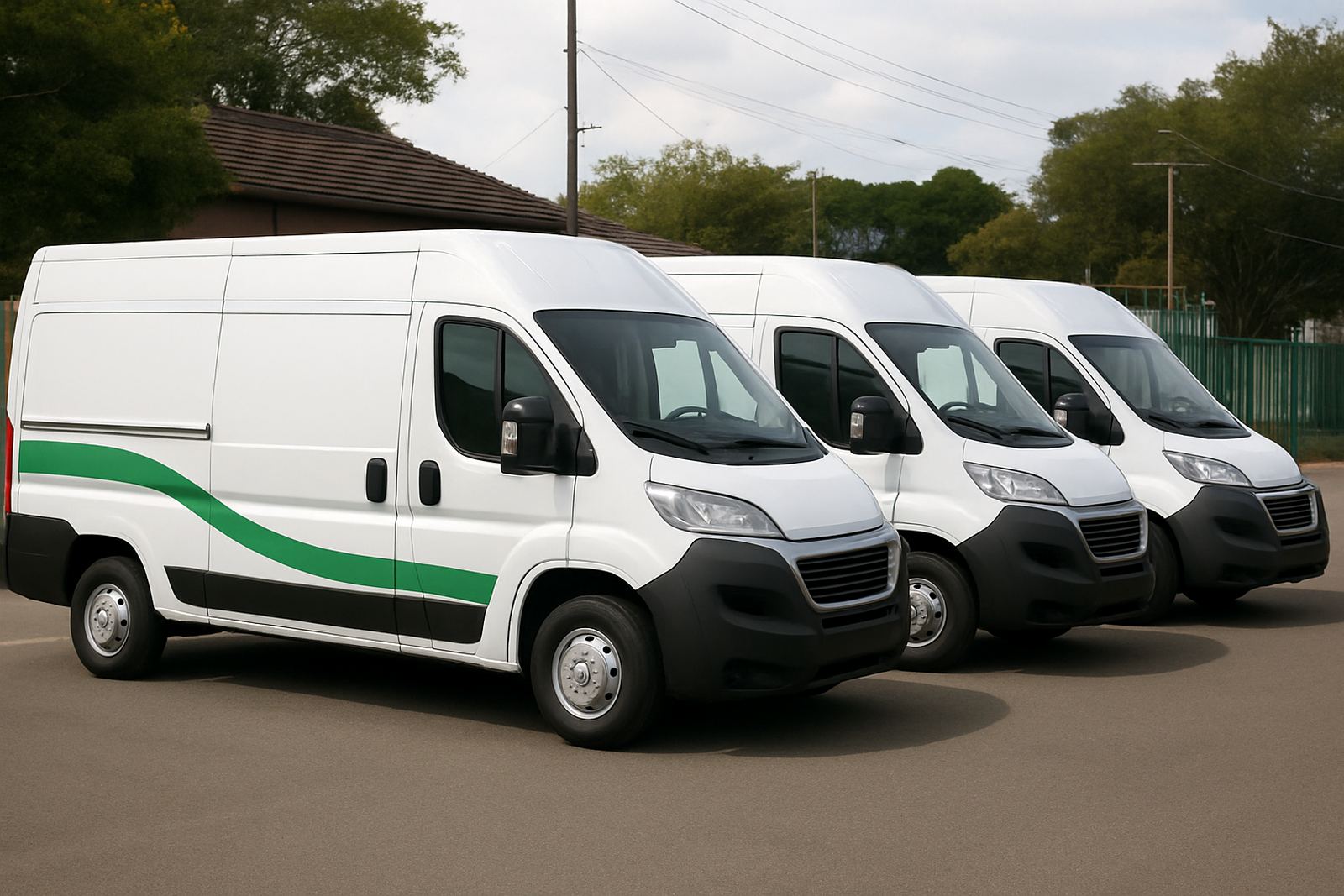
That order gives the site a proper street identity, helps customers find the entrance and still leaves room for future additions such as vehicle installation, refurbishment or promotional banners. BP Signs works from Briardene, Durban North and handles site surveys, artwork setup, fabrication, installation and removals across eThekwini, Umhlanga, Pinetown and the KZN North Coast. The idea is not to spend less for the sake of it, but to spend in the right order so every Rand carries weight.
For a refresh, the same rule applies. Replace faded face panels, repair loose vinyl, clean the frontage and update what customers see first. Then decide whether the business needs a full new sign system or just a targeted upgrade.