Why ABS works well indoors
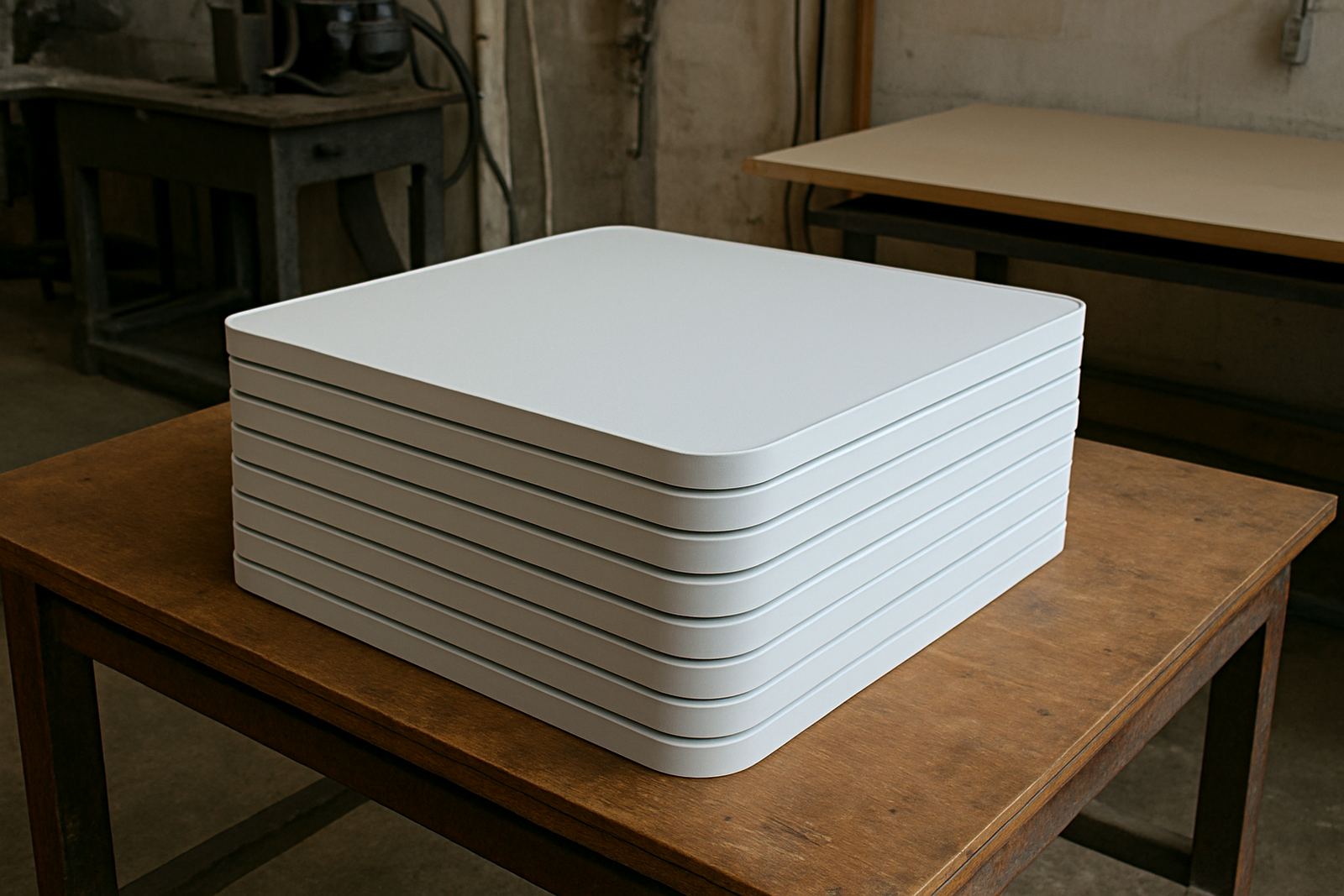
ABS is a lightweight plastic that suits indoor signage where you do not want heavy boards hanging off plasterboard, drywall or tiled walls. It is easy to cut, shape and finish, so it works well for signs that need clean edges and a neat look without adding much weight.
For Durban businesses, that lighter build can be useful in spaces where wall fixing options are limited or where the sign may need to be moved later. In offices with frequent layout changes, or in rented premises where you must keep alterations to a minimum, ABS gives you a practical middle ground between appearance and ease of fitting.
- Light enough for many interior wall applications
- Suitable for cut lettering, printed panels and flat signs
- Can be used with standoffs, adhesive fixing or screw mounting
- Works well for short to medium term indoor use
Reception and welcome signs that set the tone
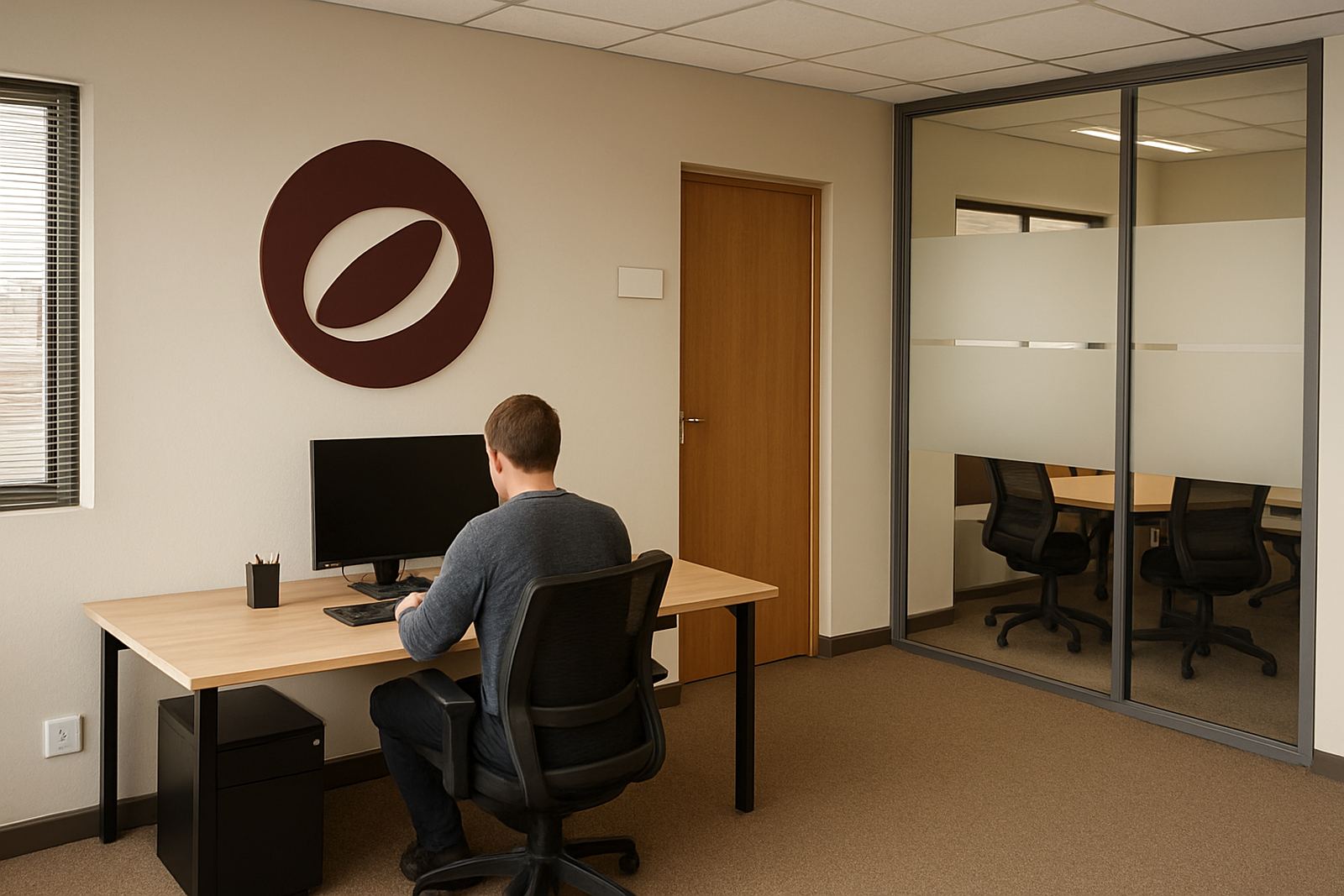
One of the most common uses for ABS is a reception sign. It gives a clean, professional first impression without the weight of metal or the cost of heavier fabricated options. For a lobby, entrance wall or waiting area, ABS can carry a logo, business name and simple strapline in a tidy format.
In a Durban North office, for example, a flat ABS welcome sign can be mounted directly behind the reception point where it stays visible to visitors, delivery drivers and clients. If the space gets afternoon sun through glass, the sign still holds up well indoors and does not sag under its own weight.
- Reception walls
- Waiting areas
- Entrance foyers
- Internal brand walls
Directional signs for offices, clinics and schools
ABS is also useful for wayfinding inside a building. Directional signs need to be clear, easy to read and simple to replace when room names change. Because ABS is light, it is a practical choice for arrows, room numbers, department boards and corridor markers.
In larger premises around Pinetown or Umhlanga, internal direction boards can reduce confusion for visitors and staff. That is especially helpful in shared buildings where tenants change, or in clinics where patients need to find the right room quickly. A sign that is easy to update saves time later, which matters when the place is busy and the admin team is already stretched.
- Room numbering
- Department signs
- Arrow boards
- Toilet and meeting room markers
Retail and point-of-sale signs that stay neat
Retail spaces often need signs that look smart but do not overpower the fittings. ABS works well for point-of-sale labels, internal price boards, product category signs and small branded panels. It is also a good choice where you want a consistent look across several signs in one store or across multiple branches.
Because it can be printed or fitted with vinyl, ABS lets you keep the branding simple and organised. In a shop setting, that matters. Too many materials on the wall can look cluttered, while a light ABS board keeps the presentation clean and tidy. It is the sort of sign that does its job without drawing attention to itself, which is often what you want indoors.
- Category signs
- In-store direction boards
- Promotion panels
- Queue and service point signs
When low weight matters more than heavy build
There are times when a sign must do the job without putting too much load on the wall. That can mean older buildings, partition walls, tiled surfaces or interior spaces where drilling needs to be kept to a minimum. ABS helps in those situations because it is easier to handle during installation and puts less strain on the fixing points.
It is also useful where maintenance access matters. If a sign may need to be removed for repainting, cable work or a layout change, lighter material makes the job simpler. In practical terms, that can save a site visit or cut down the time your team spends trying to work around a heavy board. Durban humidity does not affect indoor ABS the way it would outside, so it stays a good option for interior use in offices, estates and commercial buildings.
- Partition walls and drywall areas
- Tiled or finished interior walls
- Spaces that may be refurbished later
- Sites where quick removal is important
Getting the finish right for your indoor space
ABS signs can be finished in several ways depending on the look you want. Some are printed directly, others are covered with vinyl lettering or combined with cut graphics. The best choice depends on viewing distance, wall colour and how much detail the design carries.
For a clean result, the artwork should be set up correctly before production. Text needs to stay readable from the right distance and colours should work against the background. If the sign is going into a busy commercial area, it should be easy to read at a glance, not only close up. Proper sizing helps avoid a sign that looks too small once it is mounted, which is a common mistake on indoor projects. One other thing to watch is wall prep, because even a light sign can look untidy if the surface below is uneven.
- Direct print for simple branding
- Vinyl cut graphics for text and logos
- Matt or gloss finish options
- Standoff mounting for added depth