Start with the job, not the material
The first question is simple: what must the sign do? A temporary sign is there to create attention, guide people to an event, or carry a message for a short period. A permanent sign needs to keep working through sun, salt air, rain and after-hours security checks, sometimes for many years. If you choose the wrong type, you often pay twice, once for the sign and again when you replace it sooner than planned.
In Briardene and the wider Durban North area, we often see clients want one sign to do both jobs. That can work in some cases, but only if the site, budget and timeline are clear from the start. A six-week promotion outside a showroom is not the same as a shopfront sign that has to face coastal humidity and load-shedding related dark periods every evening.
When a temporary sign makes better business sense
Temporary signage is ideal when the message changes often. Think opening specials, exhibition stands, seasonal promos, community events, property launches or short-term site direction. These signs are usually lighter, quicker to produce and easier to remove without leaving marks on walls, glass or frames.
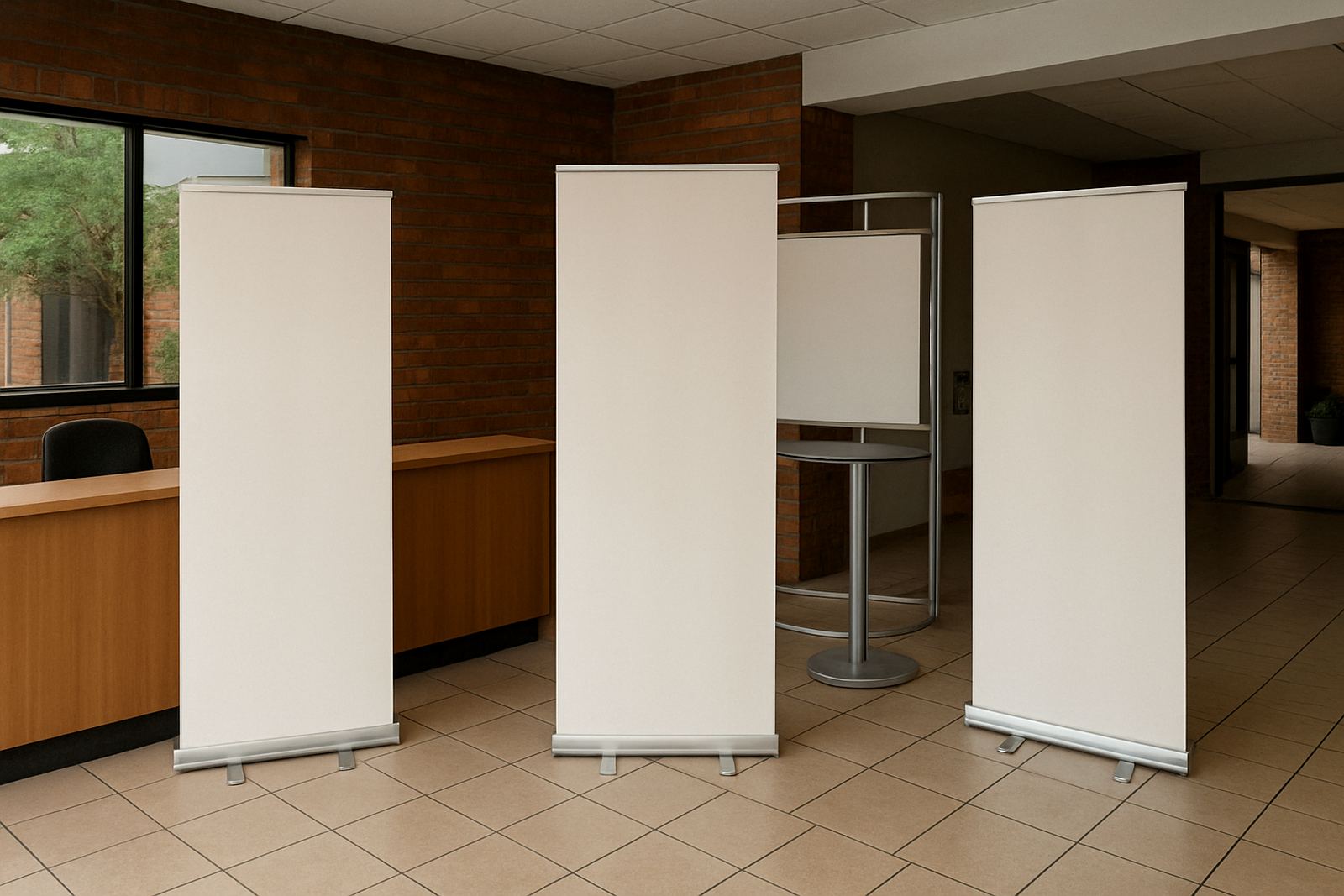
- Roll-up banners for receptions, expos and in-store promotions
- Vinyl cut lettering for limited-time window messages
- Printed correx or lightweight board for event direction
- Contra-vision graphics for short-term window campaigns
For temporary work, the main aim is clear visibility at a sensible cost. It is not worth overbuilding a sign that will be removed in a few weeks. In most cases, a well-finished print with proper lamination or a clean vinyl application is enough, provided it is installed properly and the surface is suitable.
What permanent signs must survive in Durban
Permanent signs are a different conversation. They are part of the building, the brand and the site layout, so they need stronger materials and proper fixing. In Durban, that usually means planning for strong UV, salt in the air, heavy rain, and the occasional power interruption that leaves illuminated signage without backup for a while.
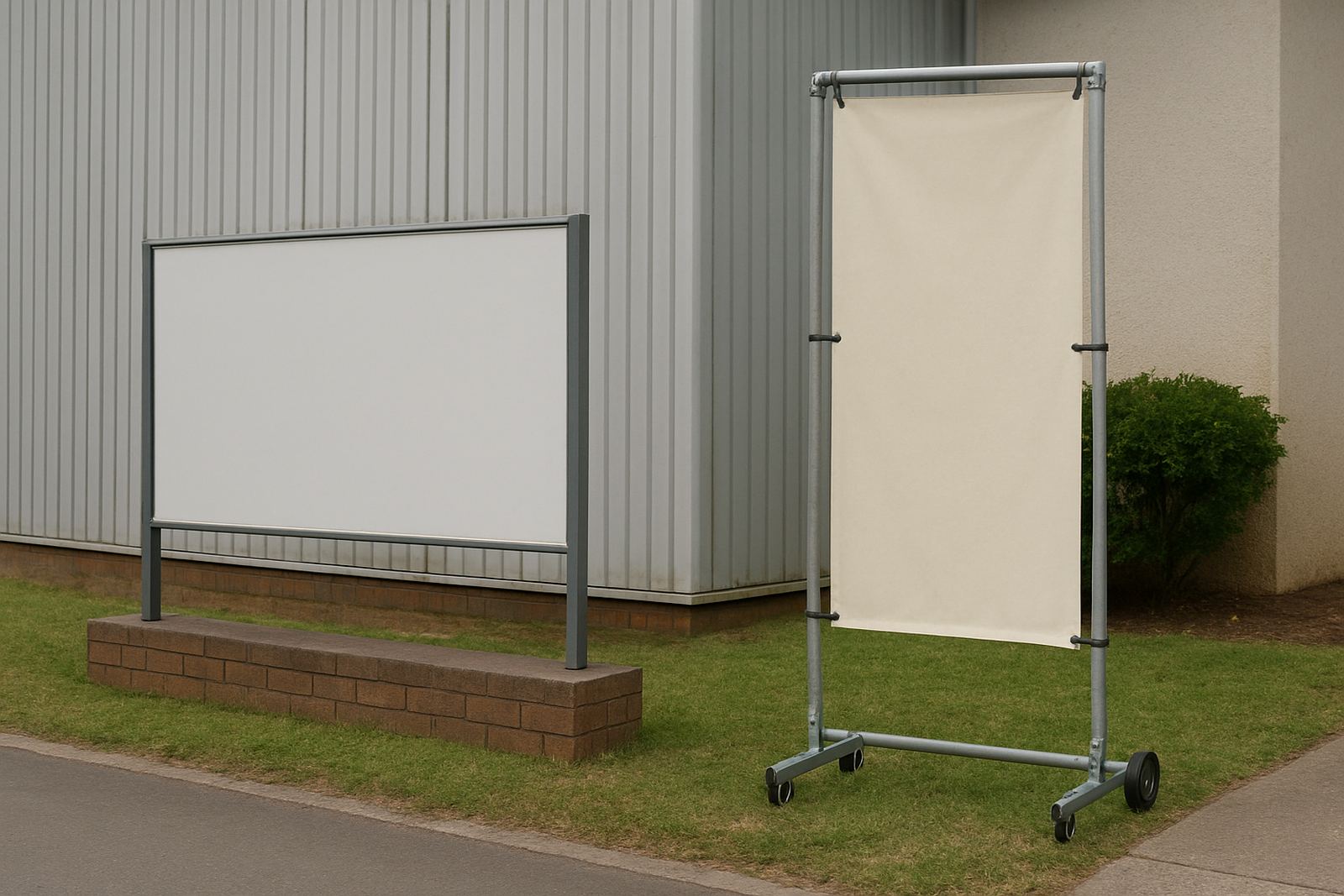
Common permanent options include Chromadek boards, Perspex signs, ABS panels, light boxes and fabricated shopfront signage. These are chosen because they hold shape, keep colour longer and cope better with daily wear. If a sign is mounted high, exposed to wind, or visible from a road with fast traffic, the fixing method matters just as much as the face material. A sign can look fine on day one and then start rattling or lifting if the frame and anchors were rushed.
- Shopfront branding that must stay in place year-round
- Directional signs for offices, warehouses and medical rooms
- Illuminated signs for visibility after dark
- Permanent wayfinding for parking, loading bays and entrances
The real cost is not only the price on the quote
Many customers compare temporary and permanent signs by the first quote alone. That can be misleading. A cheaper sign may cost more over time if it fades, curls, cracks or has to be replaced after a single season. On the other hand, a permanent sign might be unnecessary if you only need coverage for an event or a short campaign.
A useful way to judge value is to ask how long the message must stay relevant, what damage the site conditions may cause, and whether the sign will need to be removed or updated later. If artwork changes often, a modular system or removable panel may make more sense than a fixed sign. If the message is stable, then spending a little more on material and fabrication usually pays off.
We also advise clients to think about maintenance visits. A sign near the road may need cleaning. A light box may need periodic checks. A window graphic may need replacement after access control changes or a new promotion starts. Planning that upfront avoids surprises later.
A Durban example: short campaign, long-life site
One common local situation is a business in Umhlanga running a three-month promotion while its main premises in Pinetown need a permanent identification sign. The campaign sign may be a laminated print on board or a roll-up banner at the point of entry. The permanent site sign, by contrast, might be a fabricated panel with vinyl lettering or a light box visible from the road.
That split approach works well because each sign is built for its own role. The campaign gets flexibility, while the premises keep a consistent brand presence. It also helps with municipal and landlord requirements, since some sites allow temporary displays more easily than fixed external signs. If there are rules on size, illumination or placement, it is easier to solve them before production than after the sign has already been made.
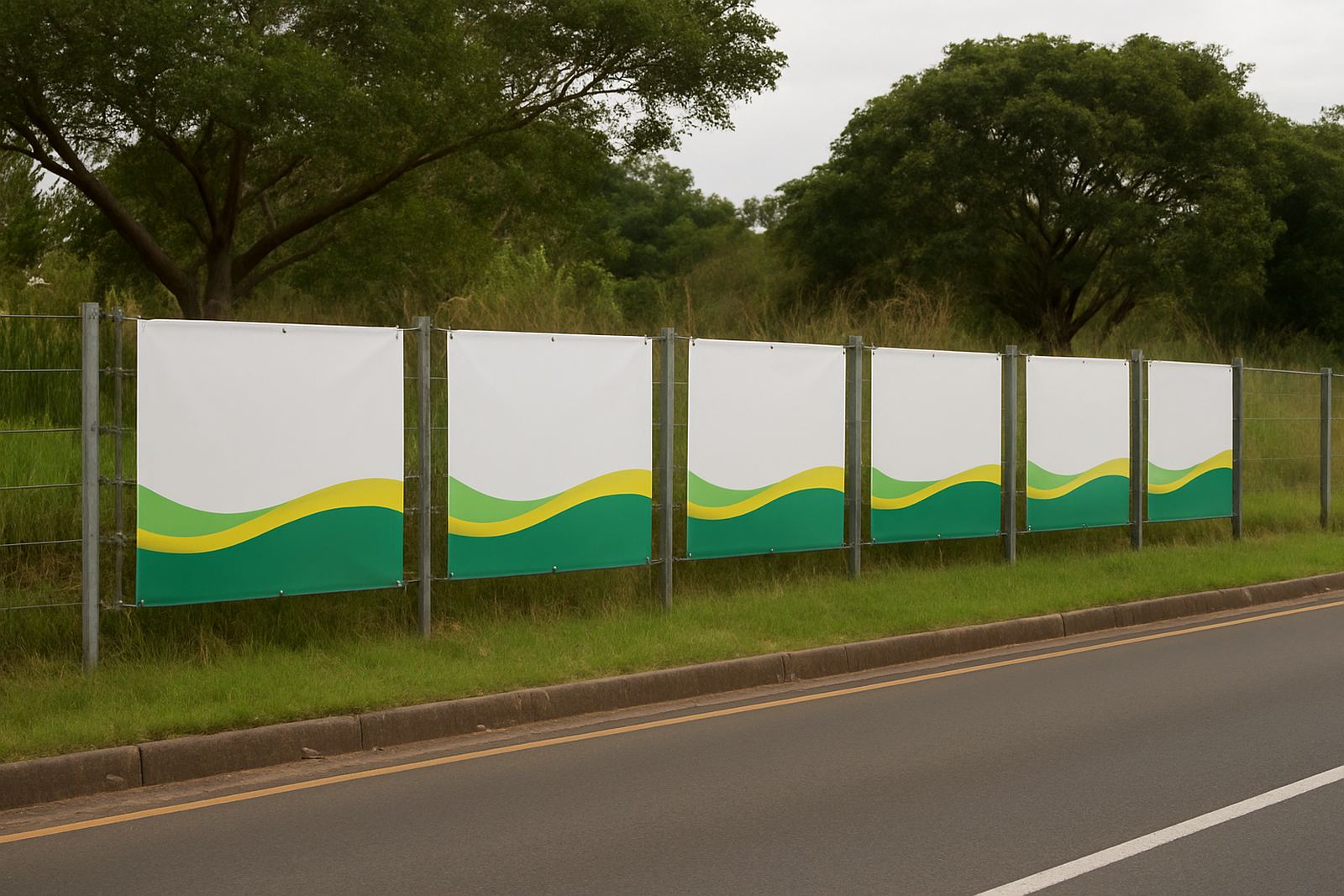
For coastal sites such as Ballito or Tongaat, the material choice becomes even more important. A temporary banner tied to a fence can work for a weekend market, but a permanent external sign should be specified with weather in mind. Salt air is unforgiving, and a sign that was fine inland can age quickly near the coast.
A practical checklist before you decide
If you are not sure which route to take, start with a few practical questions. They will usually point you in the right direction without any guesswork.
- How long must the sign stay up?
- Will the message change soon?
- Is the site indoors, outdoors, or exposed to wind and rain?
- Do you need illumination after dark?
- Will the sign need to be removed without damage?
- Are there body corporate, landlord or municipal rules to consider?
If the answer is mostly short-term, go temporary. If the answer is long-term and exposed, go permanent. If you have both needs, it is often better to use two signs built for two different jobs rather than forcing one product to do everything.
Choosing the right setup for your site
At BP Signs in Briardene, Durban North, we handle site surveys, artwork setup, large format printing, vinyl cutting, sign fabrication, window installation, vehicle installation, shopfront installation, sign refurbishment, removals and maintenance visits across eThekwini, Umhlanga, Pinetown and the KZN North Coast. That matters because the right advice depends on the site, not just the artwork.
If you need a short campaign banner for Phoenix, a permanent shopfront sign in Westville, or frosting for an office in Verulam, the approach should match the use. A sign that is too temporary looks tired too quickly. A sign that is too permanent for the job wastes money and makes future changes harder. The best choice is usually the one that fits the actual timeframe, the environment and the amount of change you expect.