Start with the shopfront people must find first
The first sign most customers notice is the shopfront board. It needs to be clear from the road, readable in daylight, and still visible when the clouds come in or the sun drops early. In Durban North, Umhlanga and Pinetown, passing traffic moves quickly, so a new store has only a few seconds to be seen.
For an opening, we usually look at the main fascia, the entrance door, side panels and any projecting sign that helps with distance visibility. If the unit sits back from the road or behind trees, a light box or illuminated panel may be worth considering. If the budget is tighter, a clean non-illuminated Chromadek or Perspex sign can still do the job well, provided the graphics are simple and the contrast is strong.
- Main fascia sign with the store name and logo
- Entrance door branding and trading hours
- Directional sign from the parking area or walkway
- Optional light box for evening visibility
Use windows to explain what the store sells
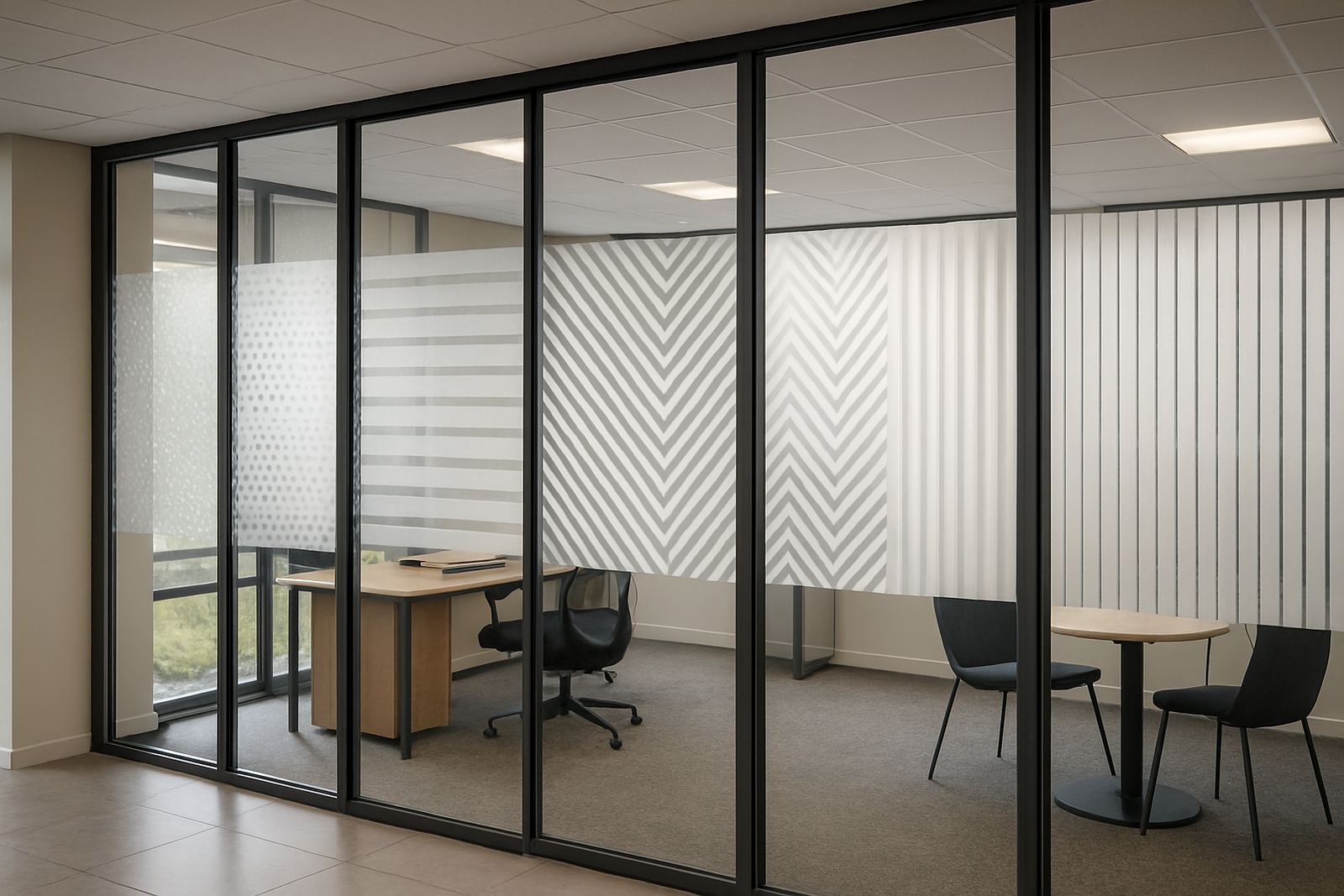
Window space is valuable, especially in retail centres and roadside sites where customers often decide before they step inside. Window frosting can give privacy for back-of-house areas while still keeping the front neat. Contra-vision works well where you want branding on the outside but still need people inside to see out.
For a new opening, the window should answer a few basic questions straight away: what do you sell, are you open, and where is the entrance? That is enough. Too much text can make the frontage look busy and smaller than it really is. One clear offer or service line, plus operating hours and contact route, is often more useful than a crowd of small stickers.
- Frosted bands for privacy and a cleaner look
- Contra-vision for full window graphics without blocking inward visibility
- Operating hours and opening date decals
- Simple product or service messaging, kept short
Plan temporary opening signage before the final fitout is done
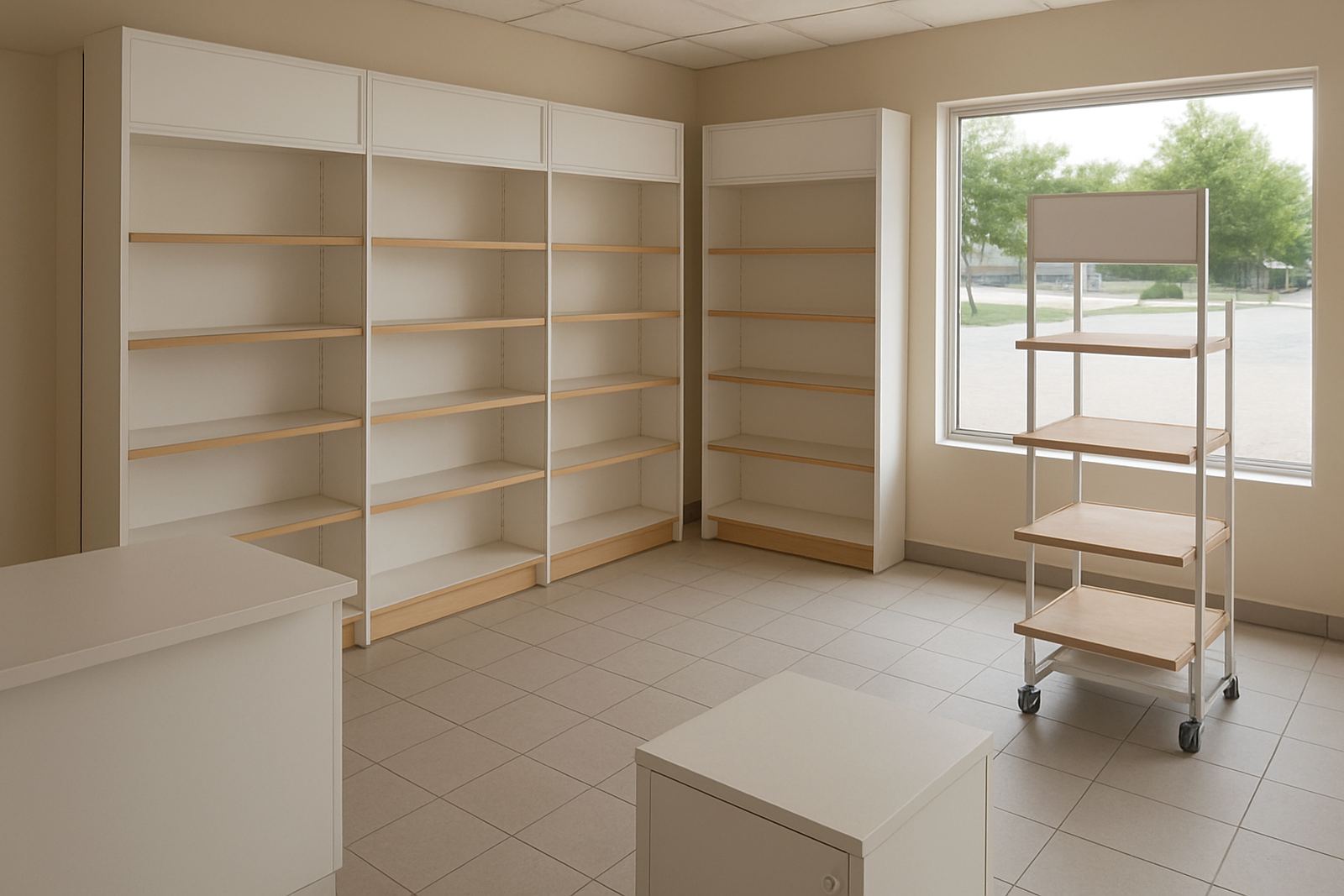
Stores rarely open with every final fix complete. That is normal. Temporary signs help fill the gap while the interior is still being finished, stock is moving in or the landlord is still signing off minor items. Roll-up banners, printed boards and vinyl-cut notices are useful for this stage because they can be made quickly and moved later if needed.
A practical opening pack often includes a welcome banner, a directions sign, and a small notice for customers explaining where to queue or collect goods. In a centre or roadside site, it also helps to have a clear sign at the entrance so delivery teams and customers dont wander around looking for the right door.
- Roll-up banner for launch offers or welcome messaging
- Temporary directional boards for parking and entrance points
- Printed safety or queueing notices
- Vinyl-cut opening date or trading hours notices
Get the safety and compliance signs in before trading starts
Before the public comes in, the store should already have the practical signs that keep people moving safely. That includes restroom signs, emergency exit markers, fire equipment labels and any restricted area notices. In busy retail environments, these details are not decorative. They help staff work faster and they support compliance with building rules and municipal requirements.
If the site has stairs, loading access or a shared passage, additional wayfinding is worth adding early. The same applies to staff-only doors and stockrooms. Once trading starts, these signs are harder to install without disturbing customers, so it pays to complete them during the final fitout window rather than after the rush begins.
- Emergency exit and fire point signs
- Restroom, staff-only and stockroom markers
- Loading bay or delivery access notices
- Any landlord-required safety signage
Think about durability in Durban conditions
Durban weather can be tough on new signage. Coastal humidity, strong sun and sudden rain all put pressure on inks, adhesives and fixings. If the sign is near the sea or exposed to wind, materials and mounting need to be chosen properly from the start. A sign that looks fine in the workshop can fail early if it is not built for the site.
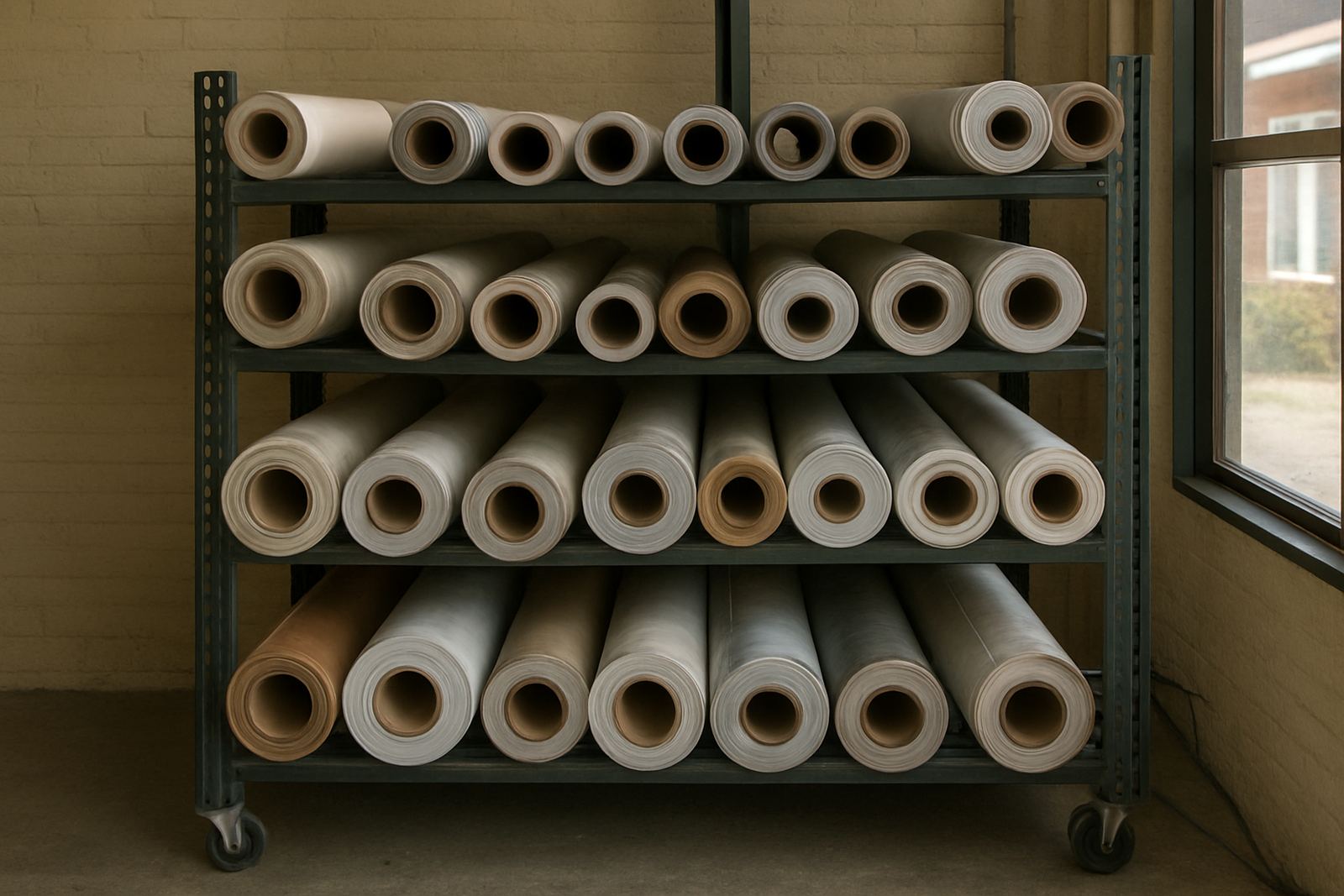
For shop openings in places like Umhlanga, Ballito, Tongaat and the wider North Coast, we often recommend lamination for printed graphics, corrosion-resistant fixings and properly sealed edges. On the south side of the city and in older retail buildings, uneven walls and tired fascias can also affect the final fit. A site survey before production saves trouble later, and it can prevent costly changes on install day.
Load-shedding also matters. If you are planning illuminated signs, the store should still look acceptable when power is out. Good printed signage and strong daylight contrast help you avoid depending on light alone.
Set up the opening day install so trading is not disrupted
The best opening signage plan is one that fits the fitout programme. Large signs should be measured after the final wall dimensions are confirmed, not before. Once artwork is approved, production and installation need to be timed around electricians, shopfitters and cleaners so the store can open without last minute delays.
At BP Signs in Briardene, Durban North, the team handles site surveys, artwork setup, large format printing, sign fabrication, window installation and shopfront installation across eThekwini, Umhlanga, Pinetown and the KZN North Coast. That matters when a store has a fixed opening date and no room for rework. The jobs that go best are the ones where the sign plan is locked in early, then checked again on site before production starts.
- Confirm final dimensions after the shopfit is complete
- Check access for ladders, lifts or night installation if needed
- Schedule cleaning and touch-ups before signage goes up
- Keep a small buffer for landlord approvals and site changes
Build a simple sign list before you hand over stock
A new store does not need every possible sign on day one, but it does need the right ones in the right order. Start with visibility, then add window messaging, then the safety and operational signs that help staff work properly. After that, you can add promotional boards, refurbished items or seasonal graphics as trading settles in.
For local businesses opening in Durban North, Westville, Phoenix, Verulam or along the coast, a practical sign list keeps the launch focused and the spend under control. It also gives your team a clear sequence so the opening is not held up by missing notices or incomplete branding. Bongani Patrick Zulu and the BP Signs team work with store owners, contractors and centre managers to get the basics right first, then finish the details that make the store ready for customers.
Opening day should feel planned, not patched together. The signs should guide people naturally, and the store should look like it has been ready for weeks, even if the last carton only arrived yesterday.