Start with a proper clean after the event
Before you pack a banner away, give it a quick clean while the dirt is still loose. Dust, sand, tape residue and drink spills can all mark the print if they are left on the surface for weeks. For banners used outdoors in eThekwini, it is worth paying extra attention to the bottom edge, eyelets and hems because that is where grime builds up first.
Use clean water and a soft cloth for most printed banner material. If there is stubborn dirt, a mild soap solution is usually enough. Avoid strong chemicals, scouring pads or rough brushes because they can dull the print and damage the protective layer. Make sure both sides are checked, even if only one side was visible at the event.
- Wipe away loose dust before wet cleaning.
- Use a soft cloth or sponge, not anything abrasive.
- Rinse off soap residue so it does not leave marks.
- Let the banner dry fully before folding or rolling.
Dry it fully before any storage
Moisture is one of the fastest ways to shorten a banner’s life. In coastal areas like Durban North, even a banner that feels nearly dry can still hold dampness in seams and folded corners. If it is packed away too soon, mould spots can appear and the print may start to smell musty.
After washing or after a wet outdoor job, hang the banner flat or drape it over a clean rail in a shaded place with airflow. Do not dry it on hot concrete in direct sun for hours because that can warp some materials and make colours fade unevenly. If the banner was used near the sea, rinse off salt before storage. Salt left on the surface can harden and scratch the finish later. A little patience here saves money on reprints.
Roll, do not fold, when you can
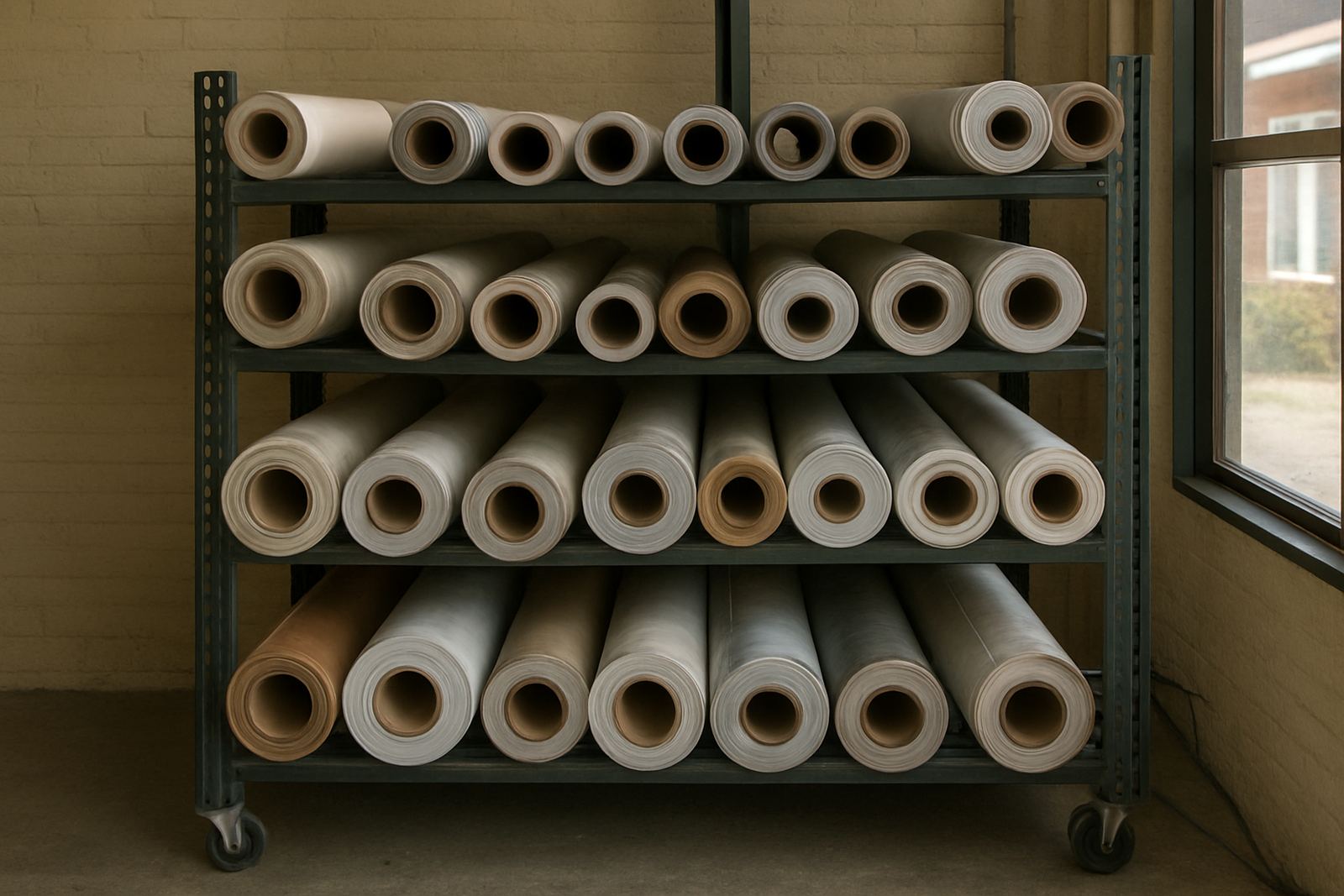
For most printed banners, rolling is better than folding. Folding creates hard lines that can be difficult to remove, especially on larger roll-up style graphics and PVC type banners. A gentle roll keeps the face of the print smoother and helps the banner open neatly at the next use.
Roll the banner with the printed side facing out if the material supplier recommends it, or face in if that suits the print finish better. Either way, keep the roll even and avoid squeezing it too tightly. A cardboard core or rigid tube helps stop the banner from bending in the middle. If a banner must be folded for transport, use the original fold line where possible and do not place heavy objects on top of it.
- Use a tube or core for longer banners.
- Keep the roll straight, not twisted.
- Do not stack heavy items on top.
- Label the roll so you know which event or site it belongs to.
Choose a storage spot that suits Durban weather
Storage matters just as much as cleaning. A banner stored in a hot loft, a damp storeroom or the back of a delivery vehicle will age much quicker than one kept in a dry indoor space. Durban humidity can get into paper wraps, cardboard tubes and even boxed items, so your storage method should keep the banner off the floor and away from moisture.
A cupboard, lockup room or dry shelf works well if the space is not near leaks or strong heat. Keep banners away from chemical drums, oils and cleaning products because vapours can affect printed surfaces. If you are storing several banners for different branches, a simple tagging system helps. Mark each roll with the size, event and date so the right banner is easy to find when a promotion comes back around. That saves time for busy teams in places like Umhlanga, Pinetown and Ballito.
Protect the edges, hems and fixings
The weak points on a banner are often the edges, not the centre panel. Eyelets, seams, rope loops and reinforced corners take strain when a banner is installed and removed often. If these parts are bent, snagged or left rubbing against sharp metal, they can fail long before the print itself wears out.
When packing away a banner, check the fixings and make sure there are no loose cable ties, bent hooks or torn hem sections. If the banner has been used on a shopfront, remove any adhesive clips or tape fragments before storage. Keep ties and accessories in a separate bag so they do not scratch the printed face. For larger banners used on perimeter fencing or events, a small repair now is better than a full replacement later.
- Separate fixings from the printed surface.
- Check hems and corners for wear.
- Remove tape and glue residue before storage.
- Repair small tears before they grow.
Plan regular checks between uses
A banner that sits in storage for six months can still need attention before the next install. Set a habit of checking stored banners every few weeks if they are kept for long-term use. Look for creases, loose stitching, mould marks and discolouration. If the banner was packed away after a rainy event, open it sooner rather than later and confirm that it stayed dry.
This is especially useful for businesses with repeat promotions across eThekwini. A banner used at a showroom in Westville, then reused at a branch in Phoenix, should be ready to go without last-minute fixes. If you find minor damage early, it is easier to arrange a patch, reprint section or edge repair before the next event date. A quick check takes only a few minutes but can prevent a very awkward install on the day.
When to refurbish instead of storing again
Good storage can extend a banner’s life, but it will not fix every problem. If the print is badly faded, the material has become brittle or the hems keep tearing, it may be time for refurbishment or replacement rather than another season in storage. That is often the smarter call for banners used in strong sun or coastal wind.
If you are unsure whether a banner is worth keeping, look at three things: the print quality, the condition of the fixings and the overall size of the damage. A banner with one clean repairable tear can usually be saved. One with widespread cracking, mould or repeated edge failure may cost more to keep patching than to remake. For businesses that reuse signage often, a simple storage routine and timely maintenance can make a noticeable difference to the budget.