Signs that help people find the right place first time
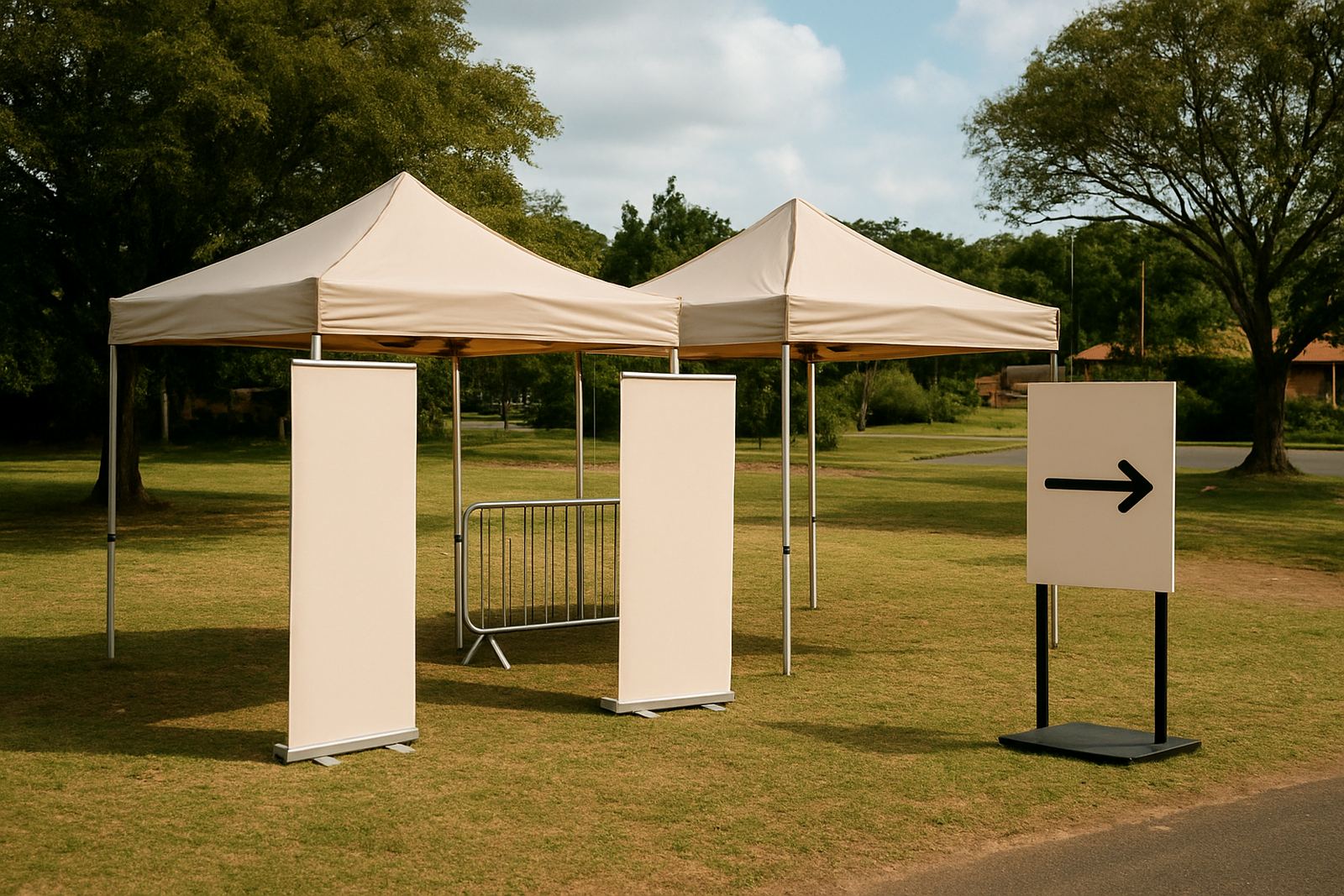
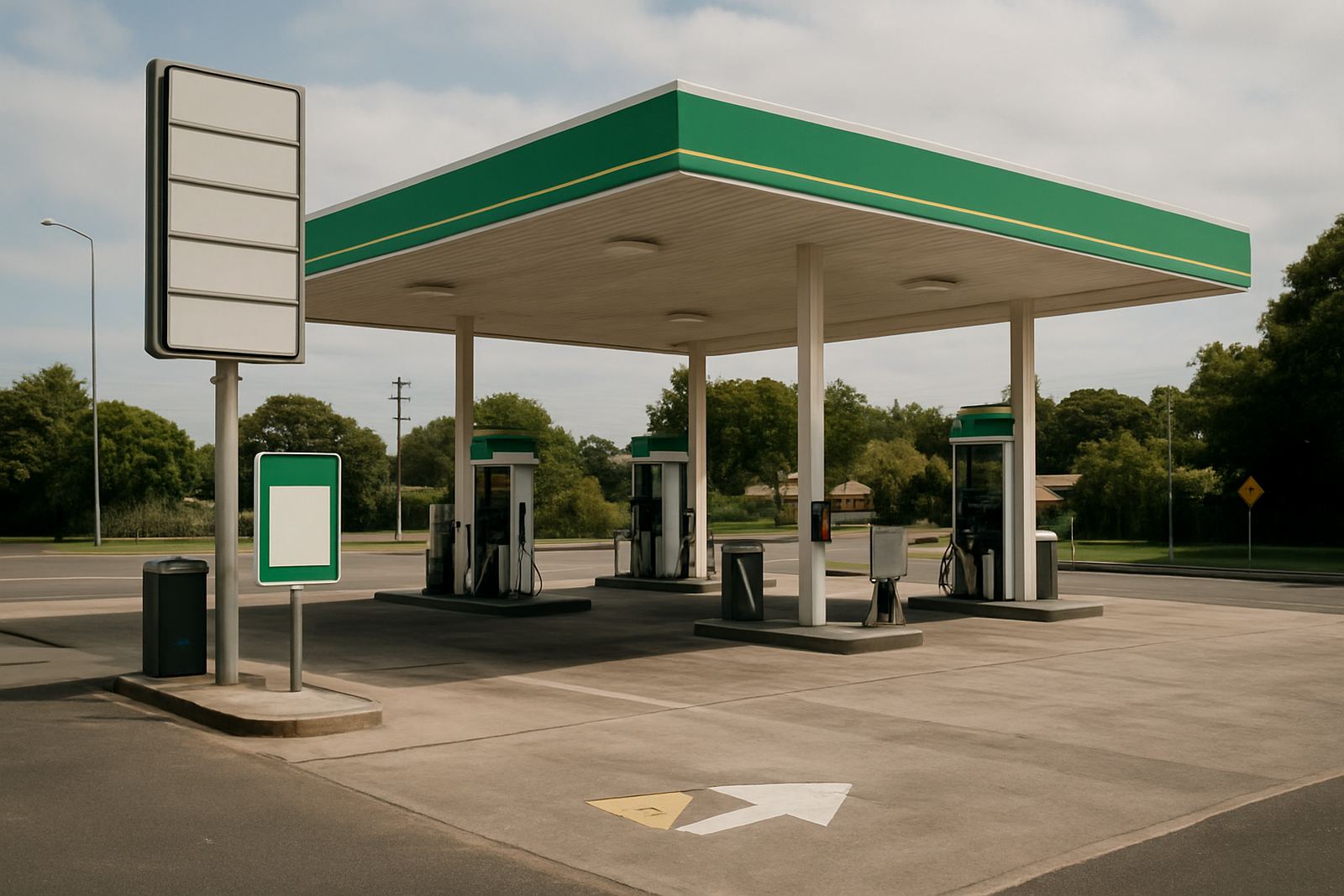
Public-facing spaces need signs that do more than fill a wall. Visitors must know where to park, which door to use, where queues begin and what is allowed in each area. In busy Durban sites this often includes entrance boards, directional signs, room labels, safety notices, opening hour panels and simple direction arrows that can be read from a moving vehicle or from 10 to 20 metres away.
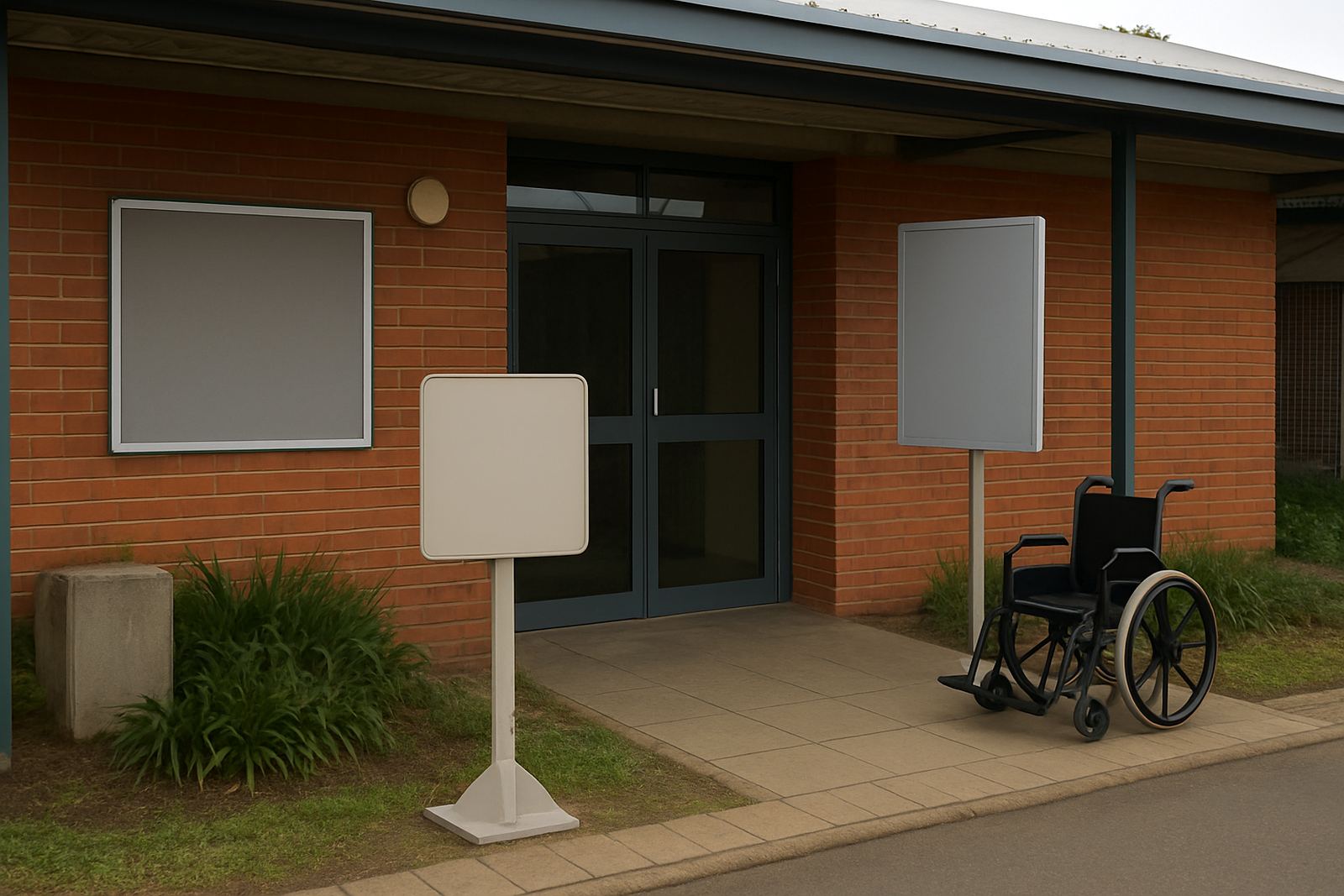
For community centres, clinics, schools and public offices, we usually start with a site survey. That tells us where people naturally walk, where the sun hits the sign faces, and where salt air or wind will shorten the life of the material. In coastal areas such as Umhlanga and Ballito, we often steer clients toward sealed boards, proper fixings and finishes that can handle humidity and regular cleaning.
- Entrance and exit boards
- Directional and wayfinding signs
- Notice boards and rule panels
- Safety and emergency signage
- Room identification and department markers
A good public signage plan keeps the message simple. If the board has too much text, too many colours or cramped lettering, people stop reading it. Keep the main instruction at eye level and use one clear action per panel.
Typical materials for public facilities and outdoor use
The right material depends on whether the sign is for one season or for several years. For short term event notices and temporary public notices, roll-up banners and printed posters can work well. For permanent use, we often recommend Chromadek panels, Perspex faces, ABS signs, vinyl graphics on boards, or light boxes where visibility after dark matters.
Where a facility needs a cleaner look inside, vinyl lettering on frosted glass or contra-vision film can separate public areas without blocking light. For outside walls and fences, printed aluminium composite style panels and vinyl cut lettering hold up better than paper notices. If the site gets direct sunlight, lamination is worth considering because UV can fade print faster than most people expect.
- Chromadek for durable outdoor notice boards
- Perspex for polished reception and entrance signs
- ABS for lightweight internal panels
- Vinyl cut lettering for simple wording and logos
- Light boxes for night visibility and late opening hours
On some public sites, maintenance is just as important as the first installation. Panels near roads, taxi routes or playgrounds can be damaged by dust, cleaning chemicals or accidental knocks. We can remove old signs, refit new ones and carry out maintenance visits so the site stays readable not patchy.
Layout planning that avoids confusion and crowding
The best public signage layouts start with the visitor journey. First they see the gate, then the parking, then the entrance, then the service point. If every panel competes for attention, people miss the one they actually need. A site map at the entrance helps, but only if it is readable and positioned at a natural pause point.
We normally plan signage in layers. The first layer is for distance, such as a large entrance board or light box. The second layer is for direction, like arrows, department names and bay numbers. The third layer is for close reading, such as rules, opening hours and safety instructions. This keeps the site orderly and reduces repeated questions from visitors and staff.
Our team often works across schools, community halls, clinics, estates and municipal buildings around Briardene, Durban North, Westville, Phoenix and Pinetown. On these sites, installation timing matters too. Some facilities need work done after hours or over a weekend so public access is not disrupted.
- Use one main message per sign
- Keep text large enough for the viewing distance
- Match arrows and maps to the actual walking route
- Place important notices at entrances, not deep inside the building
- Avoid mixing too many font styles and colours
Common mistakes on public sites and how to avoid them
A common mistake is using signs that are too small for the space. Another is placing a notice where people cannot stop to read it. If a board is behind a gate, above head height, or hidden by parked vehicles, it will not do its job. We also see wording that is too formal or too long, which slows down people who are just trying to find the right office.
Another issue is poor material choice. A printed board without lamination may look fine in the first month then the colour starts to dull. On coastal sites, fixings that rust quickly can stain the wall and make the sign look older than it is. For public facilities, durability saves money over time because replacement work and repeated call-outs add up fast.
It also helps to think about cleaning and vandal resistance from the start. Smooth surfaces are easier to wipe down. Raised or framed signs can be better in some places, but they must be fixed properly so they do not loosen. If a site has frequent foot traffic, ask for corner protection or firmer mounting points.
- Do not overfill signs with text
- Do not ignore sun fade and rust risk
- Do not place signs where cars block them
- Do not use temporary materials for permanent notices
Budget ranges for public signage in Rand
Budgets vary by size, quantity, material and installation. A small set of indoor directional labels can be quite affordable, while a full public facility package with entrance boards, internal wayfinding and safety notices will cost more. As a rough guide, small vinyl labels and simple boards may start from around R350 to R950 each, while larger printed or fabricated signs often fall in the R1,200 to R4,500 range per item.
Light boxes, Perspex panels and larger outdoor signs usually sit higher, often from about R3,500 up to R12,000 or more depending on size, framing and lighting requirements. If the work includes site surveys, artwork setup, removals, vehicle access or after-hours installation, that will also affect the total. For public facilities with many points of use, it is often better to phase the work and complete the highest priority areas first.
We regularly help clients plan signage in stages so they can spread costs without losing consistency. A practical package might start with entrance identification, safety signage and the main direction boards, then add internal labels and maintenance items later.
What to prepare before asking for a quote
Before requesting a quote, it helps to have a rough list of the signs needed, where they will go and whether the site is indoor or outdoor. Photos of the entrances, parking and wall spaces can save time, especially if access is limited or if the building has multiple departments. If the facility is already open to the public, include the hours when installation can happen without disruption.
Clients can reach us through the enquiry form on our contact page. From there, we can arrange a site survey, discuss artwork setup, confirm the material options and plan installation across eThekwini, Umhlanga, Pinetown and the KZN North Coast. Our Briardene team handles the work from concept to fitting, with Bongani Patrick Zulu leading the business and the production and installation team keeping the schedule moving.
- List the areas that need signs
- Share measurements or photos where possible
- Note any municipal or site access rules
- Say whether the signs must be weatherproof or illuminated
- Indicate if old signs need removal first
Good public signage makes a facility easier to use and easier to manage. When the layout is clear, people move with less confusion and the site feels better organised from the first visit.