Vehicle decals that fit your vehicle and your work
Vehicle decals are fixed graphics made from pressure-sensitive vinyl, applied to painted panels, glass or smooth body parts. They can be simple text and logos, or full colour printed panels with shape cut edges. For many Durban businesses, decals are the most practical way to get consistent branding onto delivery vehicles, service vans, sales cars and trailers without taking the vehicle out of service for long.
We work with small single-vehicle jobs and larger fleet rollouts. That includes contact details on doors, logo panels on the tailgate, safety wording, opening hours, directional arrows, and promotional graphics for launches or special offers. If the vehicle goes through Umhlanga traffic or spends time on the N2, the finish needs to stay readable in sun, salt air and stop-start use, so material choice matters. A cheap decal can lift at the edges or fade quicker than expected, especially near the coast.
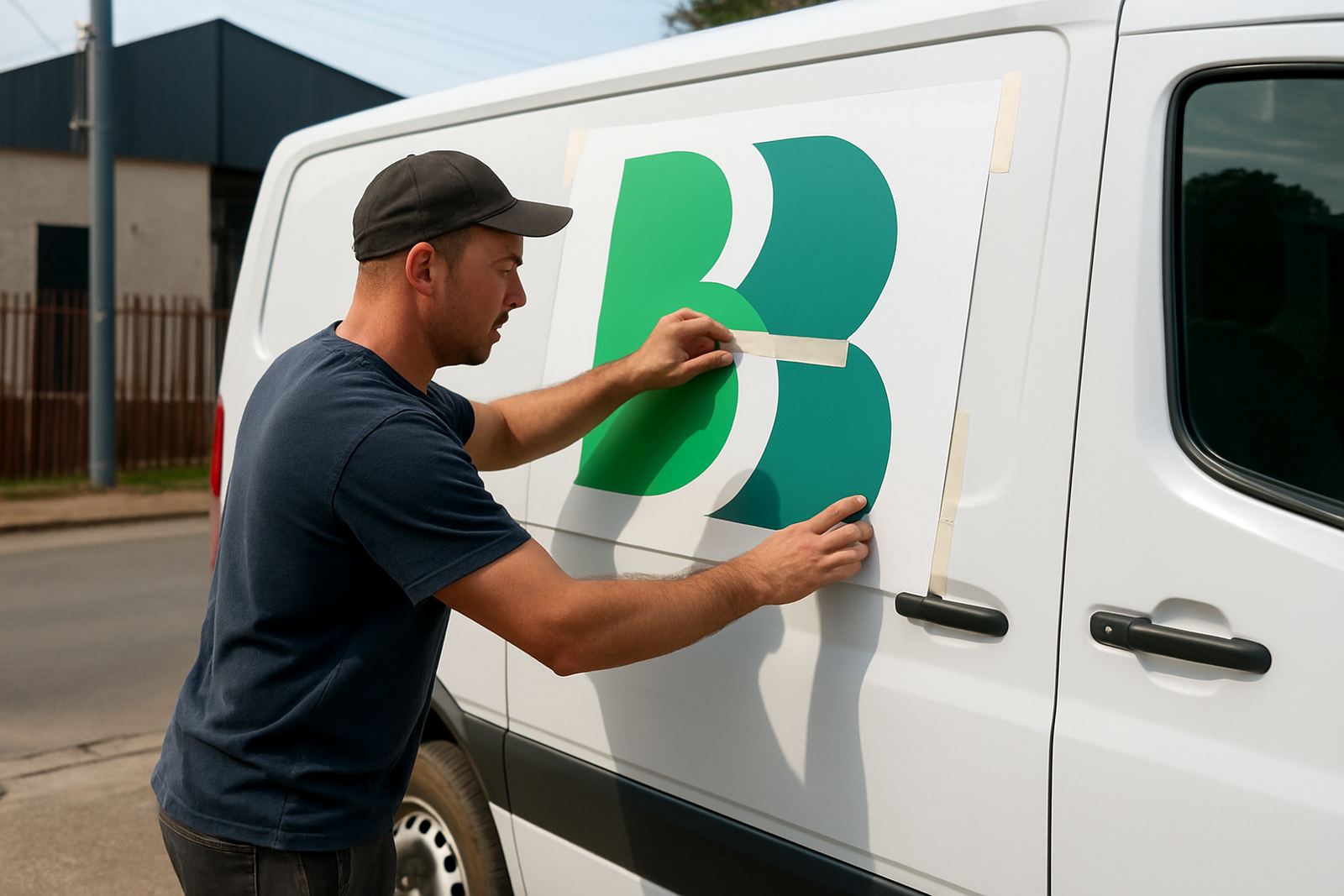
Our team in Briardene handles artwork setup, cutting, printing, lamination and installation, so the final result is neat and aligned to the body lines. Where a client needs a fast turn around, we can help with a simple layout first and then scale it up to the rest of the fleet once the details are approved.
Cut vinyl or printed graphics, choose the right format
Not every vehicle needs the same approach. Cut vinyl works well for sharp text, phone numbers, basic logos and one or two colour branding. Printed decals are better when you need gradients, photographs, detailed artwork or a wider colour range. We also supply clear decals, reflective detail where needed, and contravision for rear windows when you want visibility from inside the vehicle.
For many customers, a mixed approach gives the best value. For example, cut vinyl can handle the main branding on the doors, while printed graphics cover larger side panels or a tailgate message. If the vehicle is used in a wet coastal area, a laminated print is often worth it because it gives extra protection against scuffing, fuel splashes and regular washing. It also helps the print keep its colour longer, which matters when the fleet is parked outdoors most days.
- Cut vinyl for logos, lettering and high-contrast branding
- Printed vinyl for full colour artwork and images
- Gloss or matt lamination for added protection
- Clear decals for subtle branding on glass or light panels
- Contravision for rear windows with inside visibility
Common sizes, panel choices and placement options
Vehicle decals are made to suit the vehicle, not the other way round. There is no single standard size because a hatchback, panel van and 4 ton truck all have different panel areas and curve lines. We usually measure the vehicle on site or work from clear photos and dimensions when time is tight. Door logos might be 300 mm to 600 mm wide. Side panel branding on a van can run from 1 metre up to 2.4 metres or more depending on the body.
We can apply decals to doors, quarter panels, bonnets, tailgates, trailers, cargo box sides and window glass. For fleets, we keep the layout consistent across each vehicle so the brand reads the same in Pinetown, Westville or Ballito. That consistency helps when customers see several vehicles out on the road. A simple, repeatable format also makes future replacements easier if one panel is damaged or a vehicle is resold.
- Small contact decals for doors and rear windows
- Medium logo panels for service vehicles and bakkies
- Large side graphics for vans and trucks
- One-way vision film for rear glass where required
- Temporary promotional decals for launches and events
Installation, surface prep and site visits
Good installation starts with proper surface preparation. We clean the panel, remove wax and road grime, and make sure the area is dry before application. On newer vehicles, we check the paint finish and shape of the panel. On older fleets, we also look out for stone chips, rust spots or existing adhesive that may need removal first. If the surface is contaminated, the decal may lift early, especially around edges and curves.
Our installation team handles fitment at our base in Briardene or on site where practical. That helps reduce downtime for busy operators. For larger fleets, we can schedule work in batches so vehicles stay on the road while others are being branded. In some cases, a site survey is useful before production to confirm measurements, access and any restrictions at the premises. If a customer operates from an industrial area with tight yard space or limited parking, we plan the install around that.
- Surface cleaning and prep before application
- On-site or workshop installation, depending on the job
- Batch scheduling for fleet vehicles
- Removal of old decals before new branding where needed
- Checks for paint condition and panel curves before fitment
Care, washing and long term servicing
Decals last better when they are looked after properly. It is best to let fresh decals settle before the first wash, especially in hot weather. After that, regular hand washing is fine. Avoid harsh scrubbing at the edges and do not use strong solvents on the print. If a vehicle uses automated car wash systems often, the edges can wear faster, so hand washing is kinder to the vinyl. This is particularly important for coastal fleets that see a lot of salt and humidity.
We also help with sign refurbishment, removals and maintenance visits when a vehicle changes branding, gets sold, or needs replacement panels after body repairs. If a door has been resprayed, the new paint may need time to cure before fresh decals are fitted. That waiting period is often overlooked and can cause lifting later. For businesses that keep vehicles in service for years, it is worth planning for periodic checks and replacements, not just the first install.
What to check before you place your order
The best decal jobs start with clear information. Before ordering, it helps to confirm the vehicle make and model, the areas to be branded, the wording, and whether you want cut vinyl or printed graphics. If you have a logo file, send the best quality version available. If not, we can assist with artwork setup and cleaning up the layout so it prints and cuts properly. It also helps to say whether the decals are for one vehicle or a full fleet, because the layout may need to stay consistent across different body sizes.
Think about the colour of the vehicle too. White or light vehicles usually give the clearest result for most graphics, while dark vehicles may need additional white underprint or stronger contrast. If the vehicle has curves, rivets or textured panels, that affects how the decal is made and fitted. For glass applications, check whether the windows must remain visible for passengers, reversing, or safety reasons. A small planning step now can save time later and avoid reprints. We would rather get it right first time than patch things up after the fact.
- Vehicle make, model and year
- Exact wording, contact details and logo files
- Decal type, cut vinyl, printed vinyl or contravision
- Panels to be covered and any size preferences
- Whether the vehicle needs one-off branding or fleet consistency
Key facts
| Material | Cut vinyl, printed vinyl, clear vinyl and contravision options |
|---|---|
| Finish | Gloss or matt with optional protective lamination |
| Typical life | 3 to 7 years depending on exposure, washing and panel condition |
| Application surfaces | Painted metal, plastic trim, glass and smooth body panels |
| Installation | Workshop fitment or on-site application by arrangement |
| Use | Fleet branding, contact details, promotional graphics and safety wording |