What Print Lamination Does For Your Graphics
Print lamination adds a clear protective film over printed graphics so they can take more handling, cleaning and day-to-day wear. It is especially useful for laminated vinyl, panels, posters and decals that are touched often, moved around or installed in areas with strong sun and coastal humidity. In Durban, that extra layer helps reduce scuff marks, edge lift and surface fading.
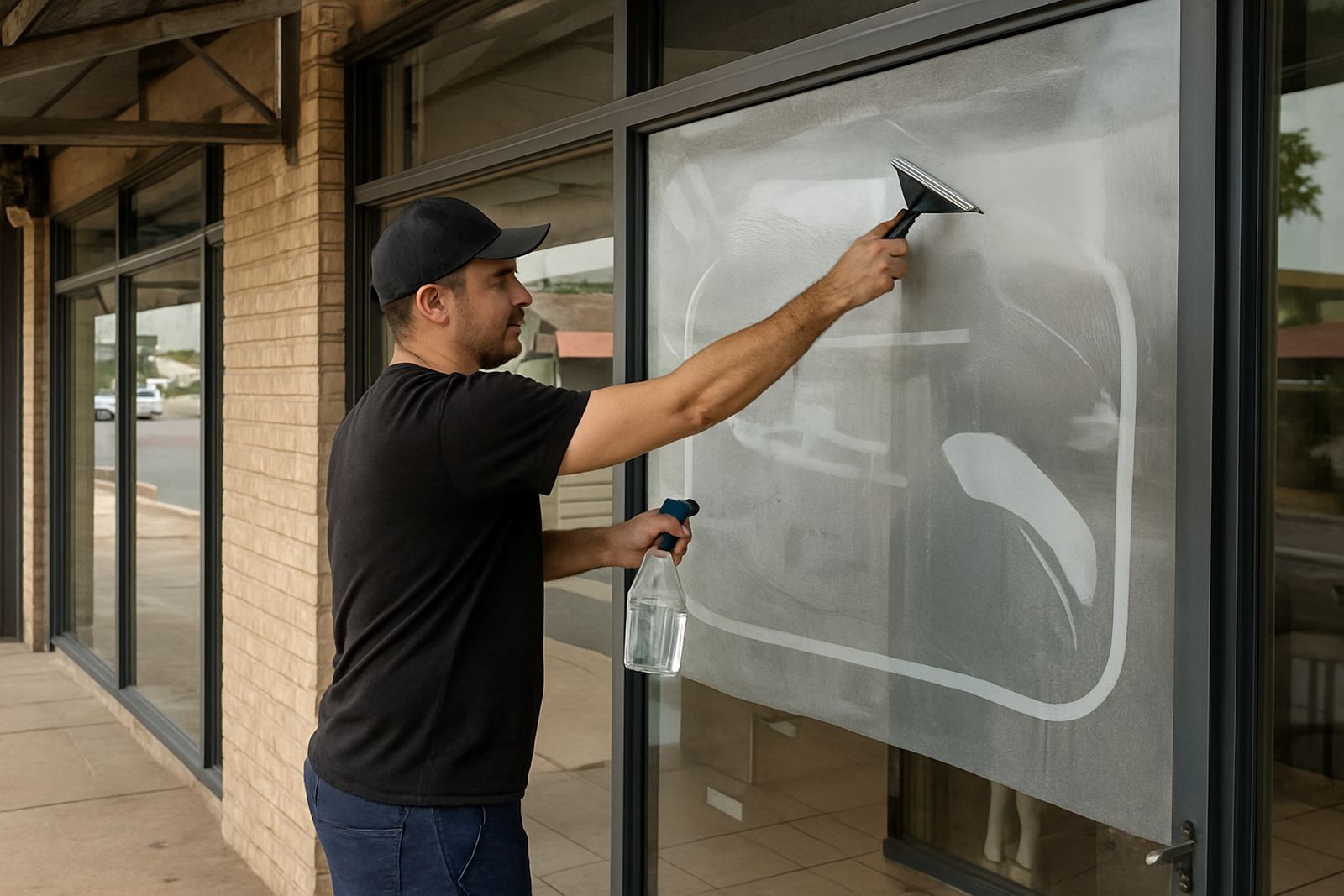
We use lamination where the print needs a cleaner finish and a better service life. That might be a shop window graphic facing the road, a menu board in a busy takeaway, a vehicle panel exposed to dust and washing, or a flat sign that needs to be wiped down now and then. For many clients the difference is practical, not decorative. The print simply lasts longer and stays easier to work with.
- Gloss lamination for a brighter, sharper finish
- Matt lamination to reduce glare on windows and indoor displays
- UV protective film for added outdoor durability
- Anti-scuff finish for high-touch areas
Where We Recommend Lamination Most Often
Not every print needs lamination, but many commercial graphics in eThekwini do. Coastal conditions, strong sunlight and regular cleaning all put pressure on printed work. A laminated finish is often the better option when the job must stay neat for months or years rather than a few weeks. We also recommend it for items that are moved, stored or re-used because the surface is less likely to mark during handling.
Our team will advise whether your print should be laminated after looking at the application, the ink coverage and the location. Some materials need a specific finish to stop glare or improve readability from a distance. Others need extra body so they can be trimmed, transported and installed without lifting at the edges. If the job is going onto a shopfront in Umhlanga or a vehicle in Pinetown, we will usually talk through the best film before production starts.
- Retail window graphics and promotional signage
- Vehicle decals and fleet panels
- Menu boards, price boards and directional signs
- Indoor wall graphics in reception areas
- Printed panels for short to medium term campaigns
Our Lamination Process From Print To Finish
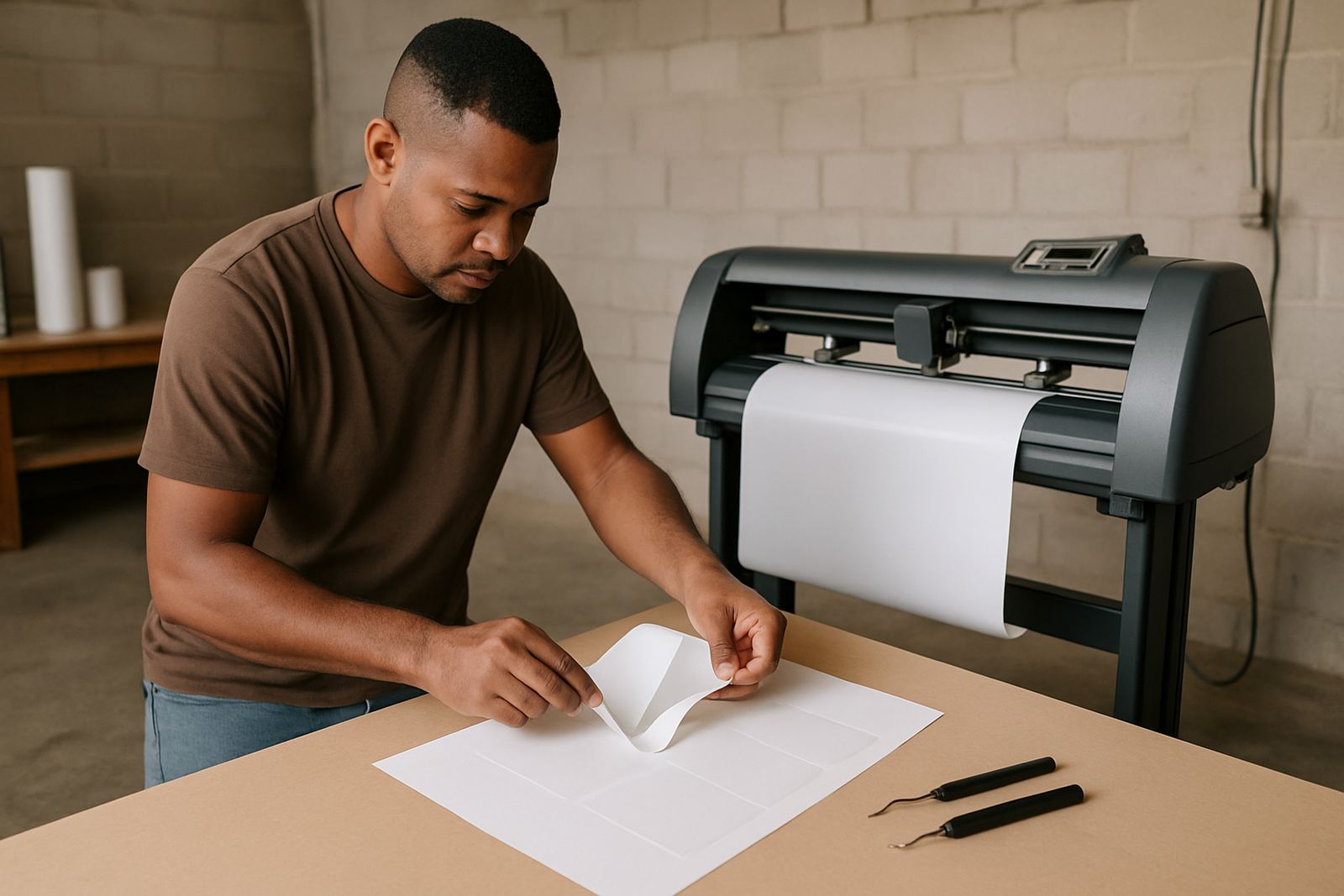
We keep the process straightforward and controlled. Good lamination starts with a clean print, the right curing time and careful surface preparation. If the print is not ready, the film can trap moisture or show silvering later on. Our production team checks the graphic first, then applies the correct laminate for the job and trims it to size for fabrication or installation.
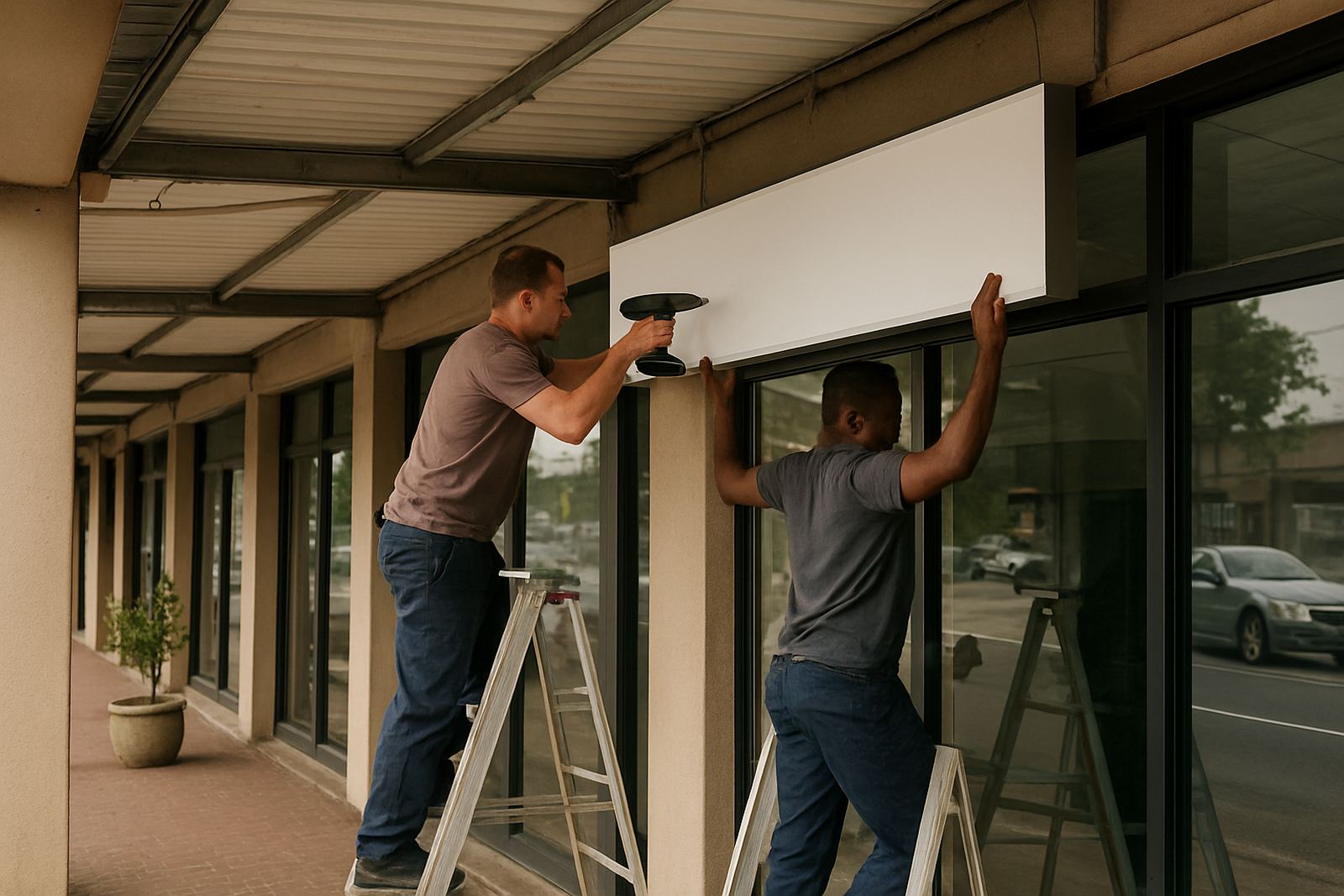
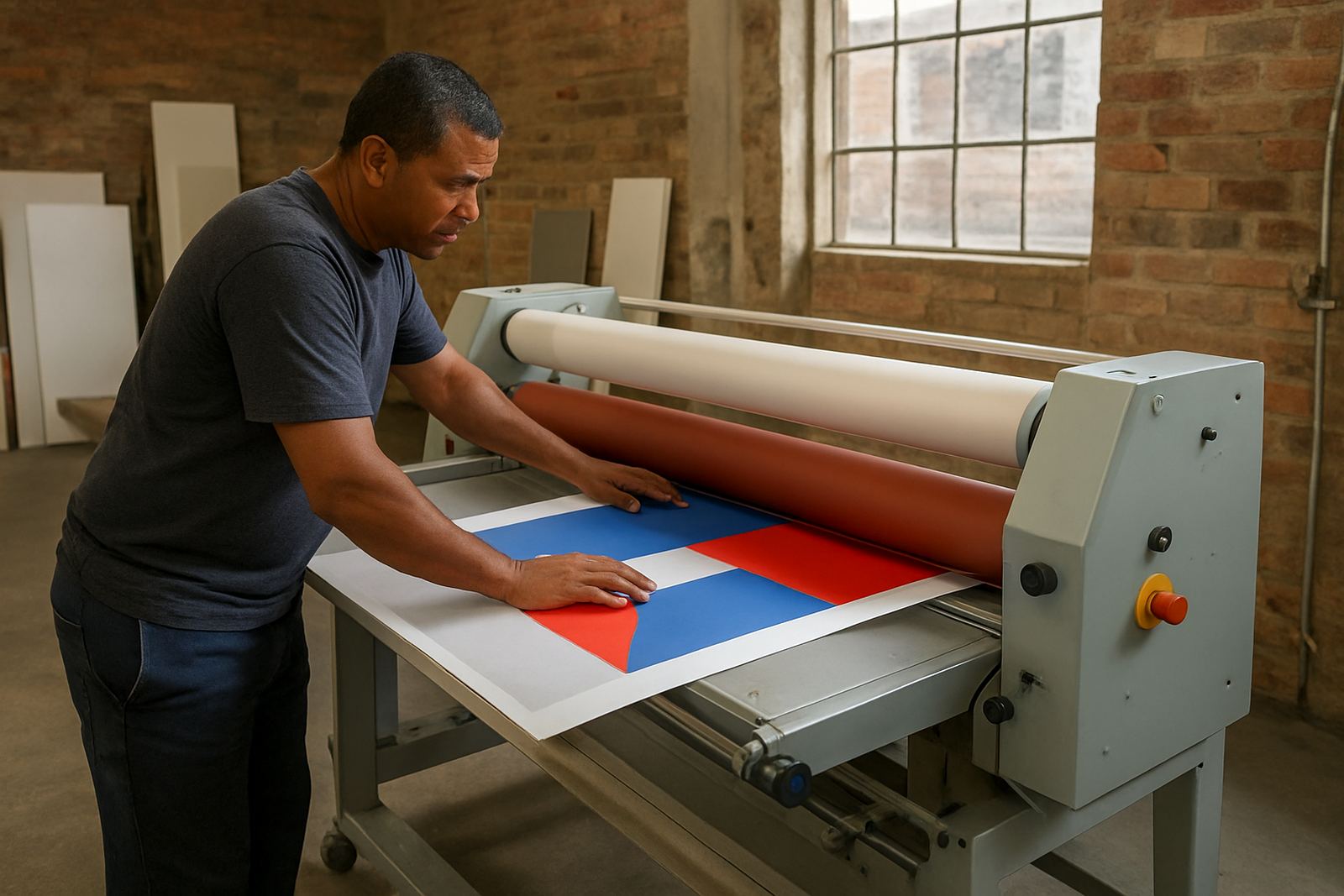
For larger sheets we use clean handling methods and controlled pressure to avoid bubbles, stretch marks and dust contamination. The finished piece is then checked for edge seal, alignment and surface clarity before it leaves production. If the sign is going straight to install, our installation team can fit it on the same project schedule with the rest of the signage work.
- Artwork and print check before lamination
- Choice of gloss or matt film based on use
- Application under controlled pressure and alignment
- Final trim and quality check before collection or install
Turnaround Times And Job Planning
Turnaround depends on the size of the run, the type of film selected and whether the print is part of a wider signage order. Small cut graphics can often be turned around quickly, while larger shopfront or vehicle jobs may need planned production slots. We also factor in site access, weather and load-shedding when we schedule installation work, because those conditions can affect drying time and fitting windows.
For many standard lamination jobs the lead time is short, especially when artwork is approved and the print size is final. If your graphics are part of a new shop opening or a refurbishment, we will work the lamination into the larger install plan so the site is not left waiting. Where possible we batch similar material together to keep the process efficient and the finish consistent across all panels. Turnaround is confirmed once we know the quantity, size and application.
- Small jobs can often be completed quickly once artwork is approved
- Larger commercial runs are scheduled in production batches
- Outdoor installs are planned around weather and site access
- Urgent signage can be coordinated with printing and fitting
Pricing Based On Material Size And Use
Our pricing is based on the square metre, film type, print condition and the amount of finishing needed. A simple flat sheet with a standard protective layer will cost less than a high-touch graphic that needs extra handling or a specialist finish. If your print also needs cutting, panel mounting or site installation, we price those items separately so you can see exactly where the cost sits.
We do not push a one-size-fits-all rate because the right film depends on how long the graphic must last and what it must face on site. A sign for an indoor office corridor does not need the same level of protection as a sun-exposed window graphic in Durban North or a vehicle panel in Tongaat. For that reason we quote after we know the size, location, expected lifespan and whether the graphic will be cleaned often. This keeps the budget honest and the finish appropriate.
Care, Cleaning And When To Re-Laminate
Once laminated, the graphic is easier to maintain but it still needs sensible care. Use a soft cloth and mild soap with water for cleaning. Avoid harsh solvents, abrasive pads and high-pressure washing close to the edges. On vehicle graphics and exposed shopfronts the corners should be checked now and then, especially after heavy rain or long sun exposure.
We usually recommend a maintenance check every 6 to 12 months for outdoor signage, and earlier for high-traffic locations or sites close to the sea. If the print begins to show edge lift, cracking, surface dulling or peeling, it may be time for refurbishment or replacement rather than another clean. On some projects a fresh laminate is enough, on others the base print has reached the end of its useful life. We will advise what makes sense for the job and not oversell a fix that will not hold.
- Wipe with soft cloth and mild detergent only
- Check corners and edges after heavy weather
- Plan maintenance visits every 6 to 12 months outdoors
- Replace or refurbish worn graphics before failure spreads
Key facts
| Finish options | Gloss, matt and anti-scuff protective film |
|---|---|
| Typical substrate types | Vinyl prints, flat panels, decals, boards and posters |
| Sheet sizes | From small labels to large format panels over 1.2 m wide |
| Best use areas | Shopfronts, vehicles, indoor graphics and promotional signage |
| Durability focus | Extra protection against handling, cleaning and coastal wear |
| Service area | Briardene, Durban North, eThekwini, Umhlanga, Pinetown and the KZN North Coast |